






Outdoor Advertising’s Role in Government & Public Awareness Campaigns Post-Covid
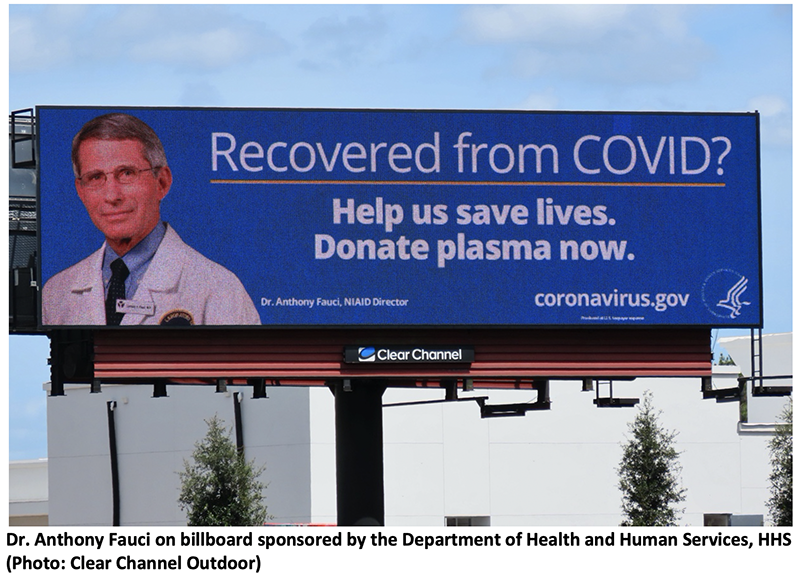
Outdoor Advertising’s Role in Government & Public Awareness Campaigns Post-Covid highlights hoardings and DOOH impact
The Covid-19 pandemic fundamentally changed how governments communicate with citizens. In moments of uncertainty, misinformation, and digital overload, outdoor advertising (OOH) emerged as one of the most trusted and visible channels for public messaging. Outdoor Advertising’s Role in Government & Public Awareness Campaigns Post-Covid reflects how hoardings and DOOH have evolved from supplementary media into core civic communication tools.
Post-Covid, governments are no longer using OOH only for announcements. Instead, they are leveraging it for behavior change, reassurance, and long-term public education.
The Post-Covid Shift in Public Communication Strategy
Before Covid, public awareness campaigns often relied heavily on print and radio. During and after the pandemic, however, OOH gained renewed relevance because it delivers:
-
Mass reach without requiring active user intent
-
High credibility in physical public spaces
-
Repetition that reinforces behavior
Consequently, OOH became essential for campaigns that demanded visibility, urgency, and trust.
Outdoor Advertising’s Role in Government & Public Awareness Campaigns Post-Covid
Post-Covid civic communication focuses on sustained awareness rather than emergency alerts alone. Governments now use OOH to promote:
-
Public health and hygiene habits
-
Vaccination confidence and reminders
-
Traffic and road safety compliance
-
Digital inclusion and public service adoption
-
Environmental and civic responsibility
Because OOH is embedded in daily routines, messages feel constant yet non-intrusive. Therefore, it supports long-term behavior reinforcement rather than one-time exposure.
Hoardings as High-Trust Information Surfaces
Large-format hoardings remain one of the most effective tools for government messaging. Their scale, permanence, and placement at key junctions signal authority and legitimacy.
In cities like Mumbai, Delhi, and Chennai, hoardings have been widely used for:
-
Vaccination drives
-
Election participation awareness
-
Road safety norms
-
Public grievance helplines
Because these hoardings are unavoidable, recall rates are significantly higher compared to digital-only campaigns.
DOOH Enables Timely and Adaptive Civic Messaging
Digital Out-of-Home (DOOH) has expanded the role of outdoor media in public campaigns. Unlike static hoardings, DOOH allows governments to update messages instantly.
Post-Covid, DOOH has supported:
-
Time-based messaging (peak-hour safety reminders)
-
Language rotation for diverse populations
-
Emergency alerts during weather or health events
-
Festival-specific civic advisories
As a result, public messaging becomes more relevant and responsive.
Transport Infrastructure as a Public Awareness Amplifier
Metro stations, airports, bus shelters, and highways have become powerful platforms for government communication.
High dwell time in transit spaces ensures that messages are read, absorbed, and remembered. Therefore, transport-linked OOH is especially effective for:
-
Health and sanitation campaigns
-
Digital payments and public platform adoption
-
Anti-littering and environmental messaging
These spaces allow governments to reach both commuters and visitors consistently.

Rebuilding Public Trust Through Physical Visibility
One of the most critical post-Covid challenges has been rebuilding trust. Physical media plays a vital role here.
OOH messages displayed in public spaces feel more official and verified than many online messages. Consequently, citizens are more likely to trust and act on information delivered through hoardings and DOOH.
This trust advantage makes outdoor advertising indispensable for sensitive topics such as health, safety, and civic compliance.
Multilingual and Inclusive Communication
India’s diversity demands inclusive communication. OOH enables easy localization through:
-
Regional languages
-
Simple iconography
-
Visual storytelling
Governments increasingly deploy city-specific creatives to ensure messages are understood across demographics. Therefore, OOH bridges literacy and language gaps more effectively than text-heavy digital formats.
Measuring Impact Beyond Clicks
Unlike commercial advertising, civic campaigns measure success through behavioral outcomes rather than conversions.
OOH effectiveness is assessed using:
-
Increased service adoption (vaccination, helplines, apps)
-
Improved compliance (traffic rules, cleanliness)
-
Public recall and awareness surveys
Because OOH supports sustained exposure, it complements short-term digital spikes with long-term impact.
Key Areas Where OOH Continues to Play a Central Role
Post-Covid, outdoor advertising remains critical for:
-
Public Health: Hygiene, nutrition, mental health
-
Safety: Road safety, disaster preparedness
-
Civic Engagement: Voting, census participation
-
Digital India Initiatives: Public platforms and services
-
Environmental Awareness: Clean cities, sustainability
These campaigns rely on visibility, repetition, and credibility—OOH’s strongest attributes.

The Future of Civic Communication Through OOH
As cities digitize and smart infrastructure expands, OOH will become even more integrated into public systems.
Experts predict:
-
Increased use of DOOH in smart cities
-
Data-informed placement for maximum relevance
-
Integration with emergency and public alert systems
-
Cleaner, regulated, and standardized civic media assets
Therefore, OOH will remain a cornerstone of government communication strategies.
Conclusion: From Advertising to Public Service Infrastructure
Outdoor Advertising’s Role in Government & Public Awareness Campaigns Post-Covid highlights a lasting transformation. OOH is no longer just a media choice—it is public communication infrastructure.
In a post-Covid world where clarity, trust, and reach matter more than ever, hoardings and DOOH provide governments with a reliable, inclusive, and impactful way to engage citizens.
As India continues to evolve, outdoor advertising will remain one of the strongest bridges between public policy and public understanding.