





Programmatic OOH Gains Ground in India: Tech-Driven Outdoor Buying Is Becoming Reality in 2026
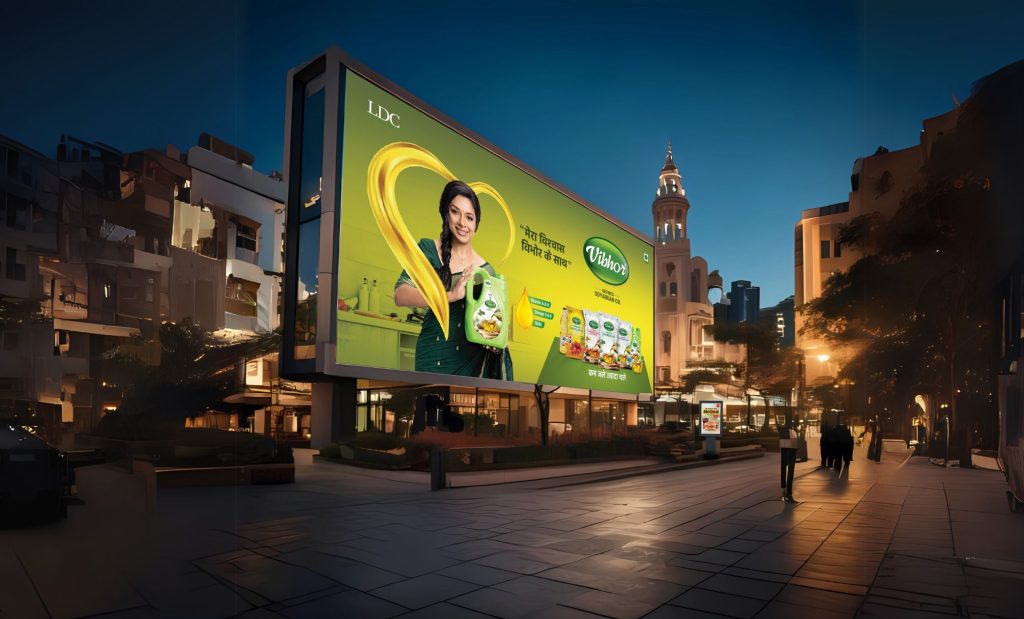
Programmatic OOH Gains Ground in India: Tech-Driven Outdoor Buying Is Becoming Reality in 2026
Outdoor advertising in India is no longer limited to fixed hoardings, long-term bookings, and manual negotiations. As digital screens proliferate and data infrastructure matures, programmatic OOH is rapidly moving from concept to execution. Programmatic OOH Gains Ground in India: Tech-Driven Outdoor Buying Is Becoming Reality in 2026 captures how automation, data, and AI are redefining the way brands plan, buy, and optimise outdoor media.
In 2026, outdoor advertising is no longer just about where a message appears—but when, why, and to whom it appears.
What Is Programmatic OOH?
Programmatic OOH refers to the automated buying and selling of digital out-of-home inventory using software platforms and algorithms. Instead of pre-booking fixed time slots weeks in advance, advertisers can bid for screen time dynamically based on real-time conditions.
Programmatic systems evaluate multiple signals such as:
-
Location and screen type
-
Time of day and traffic density
-
Audience movement and dwell time
-
Campaign goals and budget constraints
As a result, outdoor media begins to function like digital media—while retaining its unmatched physical-world presence.
Programmatic OOH Gains Ground in India: Why 2026 Is the Inflection Point
Several structural changes are pushing programmatic OOH into the mainstream in India.
First, digital billboard penetration is increasing across metros and Tier-1 cities. Second, advertisers are demanding more accountability and flexibility from OOH investments. Third, AI-driven adtech platforms are now capable of handling India’s complex urban data.
Consequently, 2026 marks the point where tech-driven outdoor buying moves beyond pilots and into scalable reality.
The Role of AI in Tech-Driven Outdoor Buying
Artificial intelligence sits at the core of programmatic OOH. AI engines analyse real-time inputs and decide which ad to serve, where, and for how long.
For example:
-
During peak traffic, high-priority brand messages win bids
-
During low traffic, awareness creatives rotate at lower cost
-
Weather or event-based triggers activate contextual ads
Because Indian cities are dynamic and unpredictable, AI-driven decisioning significantly improves media efficiency. Therefore, outdoor buying becomes responsive rather than static.
Real-Time Bidding (RTB) Comes to DOOH
One of the most disruptive elements of programmatic OOH is real-time bidding.
In RTB-enabled DOOH:
-
Multiple advertisers bid for the same digital screen
-
The system evaluates bid value and contextual relevance
-
The most suitable creative is displayed instantly
This ensures that premium moments—such as rush hours or event traffic—are monetised efficiently. Advertisers no longer pay uniformly for all hours; instead, they pay based on opportunity and relevance.

Why Advertisers Are Embracing Programmatic OOH
Programmatic OOH delivers clear advantages over traditional buying models.
Greater Flexibility
Campaigns can start, pause, or scale instantly. This agility is especially valuable during product launches, sales, or live events.
Improved Targeting
Brands align messages with location, time, and audience movement patterns—without relying on personal data.
Better Cost Efficiency
Budgets are optimised by avoiding low-impact time slots. Consequently, cost per impression improves.
Stronger Measurement and Transparency
Advertisers receive delivery logs, impression estimates, and performance insights, making OOH planning more accountable.
Integration With Omnichannel Media Planning
Programmatic OOH fits naturally into omnichannel strategies. Exposure on digital billboards can be synchronised with mobile, social, and search campaigns.
Platforms influenced by technology leaders such as Google have normalised data-driven media buying across digital channels. Programmatic OOH extends this logic into the physical world.
As a result, brands create consistent journeys—from screen to street to screen again.
Indian Cities Leading Programmatic OOH Adoption
Urban centres with high digital infrastructure are driving adoption. Cities such as Mumbai, Delhi, Bengaluru, and Hyderabad are witnessing increased deployment of connected DOOH networks.
These cities offer:
-
Dense traffic corridors
-
Smart transport hubs
-
High advertiser demand
Therefore, they act as testing grounds for scalable programmatic models.
Challenges Slowing Full-Scale Adoption
Despite strong momentum, challenges remain.
Fragmented screen ownership, lack of uniform measurement standards, and regulatory constraints can slow integration. Additionally, some advertisers still rely on legacy buying habits.
However, as networks consolidate and standards mature, these barriers are expected to diminish rapidly. Thus, adoption will accelerate rather than stall.
What Programmatic OOH Means for Media Owners
Media owners benefit from higher yield and smarter inventory utilisation. Unsold or low-demand slots can be monetised dynamically, improving overall revenue.
Moreover, programmatic systems reduce manual sales dependency. Consequently, OOH operators evolve into media technology providers, not just site owners.

The Future Outlook: From Sites to Moments
In the coming years, OOH buying will shift fundamentally:
-
From site-based buying to moment-based buying
-
From fixed loops to dynamic allocation
-
From static creatives to adaptive messaging
Programmatic OOH will not replace traditional outdoor buying overnight. Instead, it will coexist—gradually becoming the preferred method for high-impact, data-driven campaigns.
Conclusion: Tech-Driven Outdoor Buying Is No Longer Optional
Programmatic OOH Gains Ground in India because it solves long-standing inefficiencies in outdoor advertising. By introducing automation, AI, and real-time decisioning, it aligns OOH with how modern media is planned and consumed.
In 2026, tech-driven outdoor buying is no longer experimental—it is strategic. Brands that adopt programmatic OOH early will gain sharper relevance, better ROI, and a competitive edge in India’s rapidly evolving advertising landscape.