


Budgetary Support for OOH: How Urban Renewal Funds Are Unlocking Premium Advertising Spaces
4 min read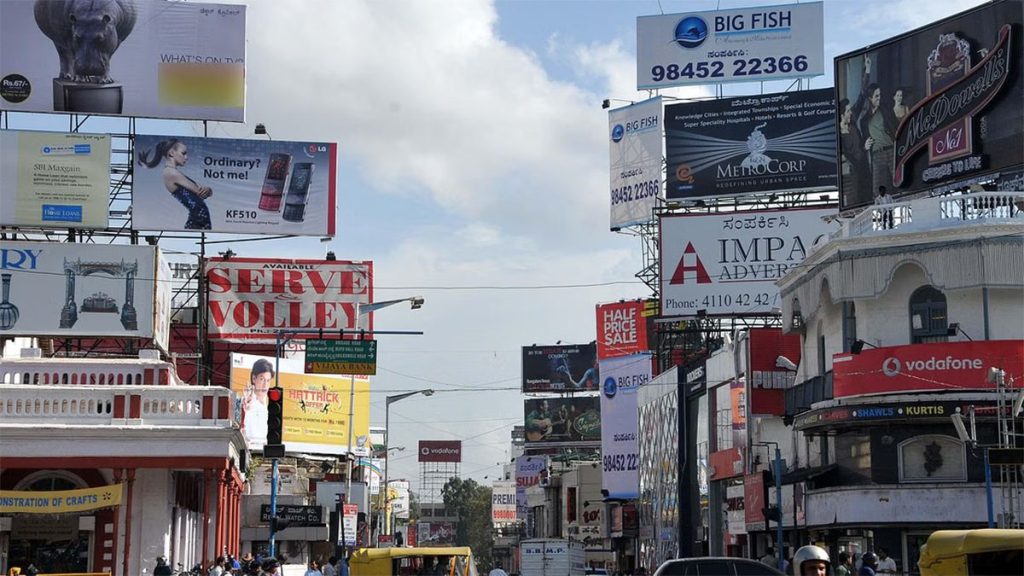
Budgetary Support for OOH: How Urban Renewal Funds Are Unlocking Premium Advertising Spaces
India’s push toward urban renewal is reshaping not just cities, but also the economics of outdoor advertising. With increased budgetary support for urban renewal, governments are investing heavily in transport hubs, streetscapes, public utilities, and smart city infrastructure. Budgetary Support for OOH: How Urban Renewal Funds Are Unlocking Premium Advertising Spaces examines how these investments—often executed through public-private collaborations—are creating high-quality, compliant, and premium OOH real estate across Indian cities.
Rather than relying on unplanned hoardings, the future of OOH is being built into the city itself.
Understanding Budgetary Support for OOH in the Urban Renewal Context
Urban renewal funds are primarily allocated for improving public infrastructure—roads, transit systems, public spaces, utilities, and digital connectivity. However, these projects increasingly include media-ready design elements.
For OOH advertising, this means:
-
Built-in digital screens and signage zones
-
Standardised street furniture with ad panels
-
Long-term concessions instead of temporary permissions
-
Regulated, safe, and aesthetically integrated media assets
As a result, public investment is indirectly unlocking premium advertising spaces that were previously unavailable or fragmented.
Budgetary Support for OOH: How Urban Renewal Funds Are Unlocking Premium Advertising Spaces
Post-2025, urban development projects are no longer executed in isolation. Media monetisation is now part of infrastructure planning.
Municipal bodies and development authorities are:
-
Designing assets that allow controlled advertising
-
Issuing tenders for long-term OOH rights
-
Partnering with private media operators for upkeep and monetisation
This shift ensures that cities benefit from sustained revenue, while advertisers gain access to high-quality, future-proof OOH inventory.
Public-Private Partnerships (PPPs): The Backbone of New OOH Real Estate
Public-private partnerships are central to this transformation. Under PPP models:
-
Governments provide land, access, or infrastructure
-
Private players invest in media installation, maintenance, and technology
-
Revenue is shared through transparent frameworks
This model aligns incentives. Cities get world-class infrastructure without ongoing maintenance burden, while media owners gain exclusive, long-term rights to premium locations.
Such partnerships are increasingly visible in transport corridors, smart city zones, and redevelopment precincts.
Transport Infrastructure as Premium Advertising Real Estate
One of the biggest beneficiaries of urban renewal budgets is transport infrastructure.
Metro stations, airports, bus terminals, and multimodal hubs are now designed as media-rich environments. High dwell time and predictable footfall make these spaces extremely valuable for advertisers.

Cities like Mumbai, Delhi, and Bengaluru are seeing:
-
Large-format digital screens in concourses
-
Platform-level DOOH networks
-
Integrated branding zones
Therefore, transport-led OOH is emerging as one of the most premium and brand-safe advertising environments.
Street Furniture Advertising Gets a Structural Upgrade
Urban renewal programs emphasise cleaner streets and better public amenities. Bus shelters, kiosks, wayfinding systems, EV charging stations, and pedestrian zones are now planned as modular infrastructure.
This benefits OOH in several ways:
-
Uniform, compliant formats reduce clutter
-
Digital integration enables DOOH scalability
-
Long-term concessions ensure media stability
Consequently, street furniture advertising is transitioning from scattered placements to institutional-grade OOH real estate.
Smart City Projects Accelerate DOOH Integration
Smart city initiatives funded through urban renewal budgets prioritise connectivity, data, and digital services. This environment naturally supports digital out-of-home advertising.
Benefits include:
-
Reliable power and connectivity
-
Centralised content management
-
Scope for dynamic and programmatic DOOH
As a result, advertisers gain smarter, more flexible inventory aligned with modern media planning needs.
Why Advertisers Prefer Budget-Backed OOH Assets
OOH assets created through urban renewal projects carry inherent advantages:
-
Regulatory compliance and safety assurance
-
Premium design and visibility
-
Reduced risk of removal or disruption
-
Better brand perception due to clean environments
Therefore, brands increasingly prefer these locations over legacy hoardings, even at higher cost.
Revenue Sustainability for Cities and Media Owners
From a governance perspective, monetising OOH through renewal projects creates recurring revenue streams. Cities reinvest this income into maintenance and upgrades, while media owners operate in predictable, long-term frameworks.
This stability attracts institutional advertisers and enables multi-year OOH planning—something rarely possible with temporary permits.

The Shift From Hoardings to Urban Media Assets
Urban renewal funding is accelerating a structural shift:
-
From isolated hoardings → integrated media assets
-
From short-term permissions → long-term concessions
-
From cluttered visuals → premium, planned environments
This transition elevates OOH from a tactical medium to a strategic urban communication layer.
What Industry Experts Predict
Experts believe that over the next decade:
-
Most new premium OOH inventory will emerge from public infrastructure projects
-
DOOH will dominate renewal-linked advertising assets
-
PPP-based OOH real estate will attract the largest brand budgets
Therefore, budgetary support for urban renewal is not just shaping cities—it is redefining the OOH marketplace.
Conclusion: Public Investment, Private Opportunity
Budgetary Support for OOH is proving to be a powerful catalyst for unlocking premium advertising spaces. Through urban renewal funds and public-private collaboration, Indian cities are creating safer, smarter, and more valuable OOH environments.
For advertisers, this means access to high-impact, future-ready media. For cities, it means sustainable revenue and cleaner streets. In this evolving ecosystem, OOH is no longer an afterthought—it is becoming an integral part of urban design and economic planning.