









Data-Driven Storytelling: Making Sense of Real-Time Advertising Metrics
10 min read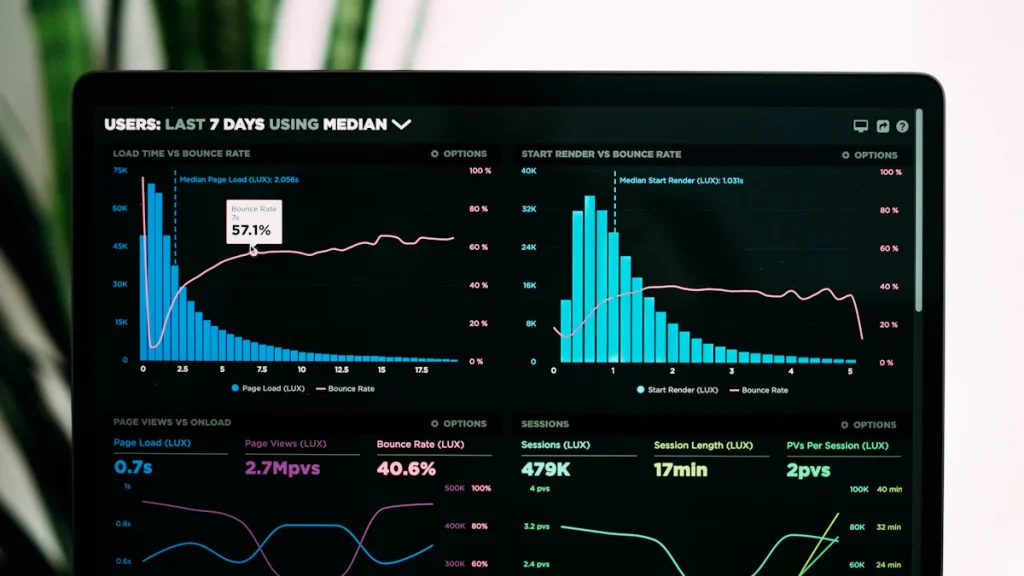
Data-Driven Storytelling: Making Sense of Real-Time Advertising Metrics
In today’s attention-fragmented digital world, data is not just numbers — it’s narrative fuel. Every click, impression, and view tells a story about audience behavior, preferences, and intent. Yet, many brands still struggle to translate those metrics into meaningful marketing actions.
That’s where data-driven storytelling comes in — the art and science of weaving analytics into narratives that inspire action. When combined with real-time advertising metrics, it empowers marketers to make agile decisions, optimize campaigns dynamically, and communicate insights that actually resonate.
As programmatic advertising, AI-powered dashboards, and performance-driven campaigns dominate the landscape, the ability to interpret data in real time — and tell a compelling story with it — is becoming a brand’s ultimate competitive advantage.
What Is Data-Driven Storytelling?
Data-driven storytelling means using insights from analytics to craft meaningful brand narratives. It bridges two traditionally separate worlds — data science and creative communication.
Instead of simply reporting “CTR increased by 15%,” a data storyteller explains why it happened and what it means for the brand.
For instance:
“Our Diwali campaign’s 15% CTR spike came from mobile users in Tier-2 cities who engaged most with our 6-second festive video format — suggesting regional creative customization drives higher engagement.”
That’s storytelling rooted in metrics — turning numbers into insights and insights into strategy.
The Rise of Real-Time Advertising Metrics
Traditional campaign reports used to arrive after the campaign ended. But in the era of programmatic advertising, DSPs, and AI dashboards, marketers can now view and react to data in real time.
These real-time metrics allow brands to:
-
Adjust budgets based on live engagement signals.
-
Pause underperforming creatives mid-flight.
-
A/B test headlines, visuals, or CTAs instantly.
-
Identify high-performing audience segments within hours.
Platforms like Google Ads, Meta Business Suite, The Trade Desk, and DV360 now provide dashboards that visualize campaign performance second by second.
This live visibility transforms marketing from a static planning exercise into a dynamic, data-responsive storytelling process.
Why Storytelling Still Matters — Even in a Data-Driven World
Raw data doesn’t persuade — stories do. Even the most sophisticated dashboards can fail to inspire stakeholders unless insights are humanized.
Storytelling gives data context, emotion, and direction. For instance, a dashboard might show declining ad engagement, but a well-told data story might reveal that audience fatigue set in after repeated exposure — leading to an actionable strategy like refreshing creative assets or diversifying channels.
In essence, data tells you what happened; storytelling explains why it matters.
Core Components of Data-Driven Storytelling
1. Data Collection and Clarity
Every story starts with clean, relevant data. In advertising, that means integrating metrics from multiple sources — ad servers, social platforms, CRM systems, and web analytics — into a unified view.
Key real-time advertising metrics include:
-
CTR (Click-Through Rate) – measures engagement.
-
CPM (Cost per Mille) – reflects efficiency.
-
Conversion Rate – tracks outcome success.
-
Viewability & Completion Rate – assess attention quality.
-
Time-on-Ad / Dwell Time – indicates creative impact.
-
ROAS (Return on Ad Spend) – ties performance to business goals.
Without clean, synchronized data, even the best storytelling tools can’t produce coherent narratives.
2. Insight Extraction
The next step is interpreting what the data actually means.
This requires pattern recognition, segmentation, and correlation — turning metrics into actionable intelligence.
For example:
-
If mobile CTR is rising but conversions are falling, it might indicate poor mobile landing page UX.
-
If engagement peaks at specific hours, real-time ad scheduling can optimize delivery.
-
If a creative performs well in Delhi but not in Bengaluru, localization could be the missing link.
This stage transforms raw analytics into meaning — the backbone of your story.
3. Narrative Building
Once insights are clear, the marketer’s job is to craft a story arc — much like a journalist or filmmaker.
A strong data story has:
-
Context: What’s happening?
-
Conflict: What challenge or anomaly exists?
-
Resolution: What strategy or insight solves it?
Example:
“When engagement dropped midweek, our AI-driven optimization revealed that 60% of impressions were serving outside peak hours. After shifting delivery to evening time slots, CTR improved by 27% — demonstrating the power of real-time ad scheduling.”
This structure makes data actionable, memorable, and impactful.
4. Visualization: Turning Data into Design
Data storytelling depends heavily on visual communication. Charts, heatmaps, funnel diagrams, and dashboards simplify complex metrics into digestible formats.
Tools like Google Data Studio, Tableau, Power BI, and Looker allow marketers to design visually compelling dashboards that illustrate real-time campaign stories at a glance.
But visualizations must focus on clarity, not clutter — the goal is to make insights intuitive, not overwhelming.
How Real-Time Metrics Fuel Better Advertising Decisions
1. Instant Optimization
Real-time metrics empower marketers to pivot campaigns mid-flight. If one creative underperforms, another can be pushed instantly — improving ROI and reducing wastage.
2. Precision Targeting
With real-time behavioral data, brands can reallocate spends toward high-performing segments, geographies, or devices within hours instead of waiting for post-campaign reports.
3. Agile Storytelling
Real-time insights allow brand stories to evolve dynamically. For instance, if a festive ad resonates more with Gen Z, follow-up content can be tailored instantly to that demographic.
4. Performance Transparency
Real-time dashboards enable marketing, creative, and sales teams to stay aligned, breaking silos and encouraging collaborative decision-making.
The Marriage of AI and Data Storytelling
Artificial Intelligence has elevated data-driven storytelling to new heights. Machine learning models can now:
-
Predict campaign outcomes based on historical data.
-
Auto-generate performance summaries.
-
Suggest next-best actions for optimization.
-
Create adaptive creatives that adjust to audience responses in real time.
For example, Dynamic Creative Optimization (DCO) uses live data to serve the best ad combination (image, headline, CTA) to each viewer — merging storytelling with performance precision.
Challenges in Real-Time Data Storytelling
Despite the advantages, brands face hurdles such as:
-
Data silos across multiple platforms.
-
Analysis paralysis due to data overload.
-
Lack of storytelling skill among analysts.
-
Overemphasis on vanity metrics instead of business outcomes.
Solving these requires a MarTech–mindset shift — empowering creative teams with analytics literacy and analytical teams with storytelling skills.
Best Practices for Effective Data-Driven Storytelling
-
Start with the question, not the dashboard. Define what you want to learn before diving into data.
-
Focus on actionable insights. Highlight findings that drive change, not just describe patterns.
-
Use visuals wisely. Simplify, don’t overwhelm.
-
Add human emotion. Tie data back to consumer behavior and brand purpose.
-
Close the loop. Track how insights influenced results to reinforce storytelling value.
Conclusion
In the age of real-time advertising, data alone isn’t a differentiator — how you interpret and narrate it is.
Brands that master data-driven storytelling move beyond dashboards to deliver clarity, creativity, and confidence.
When analytics becomes narrative, marketing turns from reactive to intelligent, and from informative to inspiring. That’s the true power of making sense of real-time metrics — crafting stories that drive both emotion and performance.
SEO Metadata
Focus Keyword: Data-Driven Storytelling
Meta Title: Data-Driven Storytelling: Making Sense of Real-Time Advertising Metrics
Meta Description (120 chars): Learn how brands turn real-time advertising data into powerful stories that drive insights, agility, and ROI.
Slug: data-driven-storytelling-real-time-advertising-metrics
Tags: Data-Driven Storytelling, Real-Time Advertising, Marketing Analytics, Programmatic Advertising, Dynamic Creative Optimization, MarTech, Performance Marketing, Data Visualization
Would you like me to create a follow-up article titled “From Dashboards to Decisions: The Art of Visual Data Storytelling in Marketing” to continue this theme in your MarTech blog series?
You said:
ChatGPT said:
Here’s your complete 900+ word SEO blog article on the topic — polished, keyword-optimized, and written in a professional digital marketing tone ideal for your MarTech or AdTech blog series.
Data-Driven Storytelling: Making Sense of Real-Time Advertising Metrics
Introduction
In the modern digital ecosystem, data is the new narrative currency. Every impression, click, or conversion leaves behind a trail of information that, when analyzed correctly, reveals how audiences think, feel, and act. But raw data alone doesn’t build connections — stories do.
This is where data-driven storytelling emerges as a powerful bridge between analytics and creativity. It transforms real-time advertising metrics into meaningful narratives that help marketers make smarter, faster, and more human decisions.
In an era of programmatic advertising, AI-driven campaigns, and live dashboards, brands that can interpret numbers and translate them into relatable stories hold a significant competitive edge. Let’s explore how this fusion of data and storytelling is reshaping modern advertising.
The Evolution: From Reports to Real-Time Insights
Traditionally, marketers waited until a campaign ended to analyze its performance. Post-campaign reports would reveal what worked — but far too late to make changes. Today, real-time metrics have revolutionized that process.
With tools like Google Ads, Meta Ads Manager, The Trade Desk, and DV360, advertisers can now monitor:
-
CTR (Click-Through Rate) — measures engagement.
-
Conversion Rate — tracks performance against goals.
-
Viewability Rate — indicates how many users actually saw the ad.
-
Cost per Mille (CPM) and Cost per Acquisition (CPA) — show efficiency.
-
Engagement Metrics like shares, comments, and dwell time — reflect content resonance.
This constant flow of real-time insights allows for instant optimization, enabling brands to shift budgets, test creatives, and adjust targeting mid-campaign — not after.
What Is Data-Driven Storytelling?
At its core, data-driven storytelling means translating analytical insights into compelling narratives that guide strategy and inspire action.
A data-driven storyteller doesn’t just say,
“Our campaign CTR improved by 20%.”
They explain,
“The campaign CTR jumped 20% after we personalized our call-to-action based on audience location, showing that regional customization increases engagement.”
It’s not about showcasing statistics — it’s about contextualizing them. By narrating why a number changed and what it means, marketers can engage both analytical and creative teams in meaningful collaboration.
The Intersection of Data and Creativity
Many assume data and creativity sit on opposite ends of the marketing spectrum. In reality, they’re two sides of the same coin. Data provides direction; creativity gives it emotion.
When storytelling meets analytics, brands can:
-
Craft personalized campaigns that speak to audience behavior.
-
Use insights to test creative hypotheses — colors, captions, or tone.
-
Build emotional narratives backed by factual proof of what works.
This synergy ensures that campaigns are not just data-informed, but audience-inspired.
Why Real-Time Metrics Matter for Storytelling
Real-time data gives marketers a living pulse of campaign performance. It helps them:
-
Spot trends instantly: Notice sudden spikes or drops in engagement.
-
Adapt narratives mid-flight: Modify messaging based on live feedback.
-
Avoid wasted spend: Pause underperforming ads immediately.
-
Deliver agility: Align creative decisions with live performance data.
For instance, if a festive campaign receives higher engagement during evening hours, real-time insights can prompt advertisers to reschedule future ads for those hours — maximizing ROI and relevance.
Building a Data-Driven Storytelling Framework
1. Start With a Question
Before diving into dashboards, define what you want to learn. Instead of asking “How did our campaign perform?”, ask “Which creative drove the highest conversions among first-time app users?”
This approach leads to focused storytelling rather than generic reporting.
2. Identify Patterns and Insights
Look for behavioral shifts, peaks, and anomalies in your metrics. For example:
-
A sudden rise in engagement from Tier-2 cities.
-
Higher conversions on mobile vs desktop.
-
Increased view-through rate on videos under 10 seconds.
These clues form the backbone of your narrative.
3. Connect Data to Human Behavior
Turn findings into audience insights. Instead of saying “Engagement was high in Bengaluru,” say “Bengaluru audiences connected more with our sustainability messaging, indicating a growing preference for eco-conscious brands.”
That’s data translated into empathy.
4. Visualize the Story
Charts, infographics, and real-time dashboards (using Google Data Studio, Power BI, or Tableau) help audiences grasp complex insights quickly.
Visual storytelling ensures that insights are seen, not just read.
5. Close the Loop
A data story isn’t complete until insights are applied. Always link findings to decisions made — whether it’s optimizing ad spend, tweaking creatives, or refining targeting. That’s how storytelling drives tangible business results.
From Metrics to Meaning: Examples in Action
Example 1: The Power of Creative Testing
A lifestyle brand running programmatic ads tested two banner versions — one with product shots and one featuring a lifestyle image. Real-time metrics revealed that lifestyle imagery achieved 2.5x higher engagement. The insight led to a shift in creative direction, and CTR improved 40% within a week.
Lesson: Metrics alone don’t inspire; the story behind them drives action.
Example 2: Regional Resonance
A food delivery app noticed higher order conversions during IPL match hours in Mumbai. By narrating that insight as “Cricket drives comfort food orders”, the team developed region-specific ads tied to live sports, leading to a 22% jump in campaign ROI.
Lesson: Data-backed storytelling can uncover contextual moments that drive cultural connection.
The Role of AI and Automation
Modern MarTech tools now leverage AI-driven storytelling to analyze vast datasets in real time and highlight actionable insights automatically.
AI enables:
-
Predictive analytics – forecasting which campaigns will perform best.
-
Dynamic Creative Optimization (DCO) – automatically tailoring ad creatives to audience segments.
-
Automated reporting – generating narrative summaries from dashboards.
By combining machine learning with human creativity, marketers can scale storytelling while staying relevant and data-accurate.
Challenges in Data Storytelling
Even with advanced technology, brands face hurdles:
-
Data overload: Too many metrics, too little meaning.
-
Siloed systems: Fragmented data sources hinder unified insights.
-
Skill gaps: Analysts may lack storytelling training, and creatives may lack data fluency.
-
Vanity metrics: Overemphasis on likes or impressions without tying them to business outcomes.
The solution lies in cross-functional collaboration — where creative, analytics, and media teams co-own the storytelling process.
Best Practices for Effective Data-Driven Storytelling
-
Humanize your data. Always tie metrics to audience motivations.
-
Focus on outcomes, not outputs. CTR and CPM mean little without context.
-
Use visuals to simplify complexity. Dashboards should narrate, not confuse.
-
Stay agile. Let real-time insights inform ongoing creative iterations.
-
End with a call to action. Every data story should inspire the next strategic move.
Conclusion
In the fast-paced world of digital advertising, data-driven storytelling transforms analytics into action. Real-time metrics give marketers clarity; storytelling gives them purpose.
When brands use data not just to report performance but to reveal meaning, they move from being reactive advertisers to proactive storytellers.
In this new age of performance-driven creativity, the brands that master real-time data storytelling will not only optimize campaigns — they’ll own the narrative of tomorrow’s marketing.