Digital LED Billboard Growth Drives Real Estate & FMCG OOH Spend in 2025–26
4 min read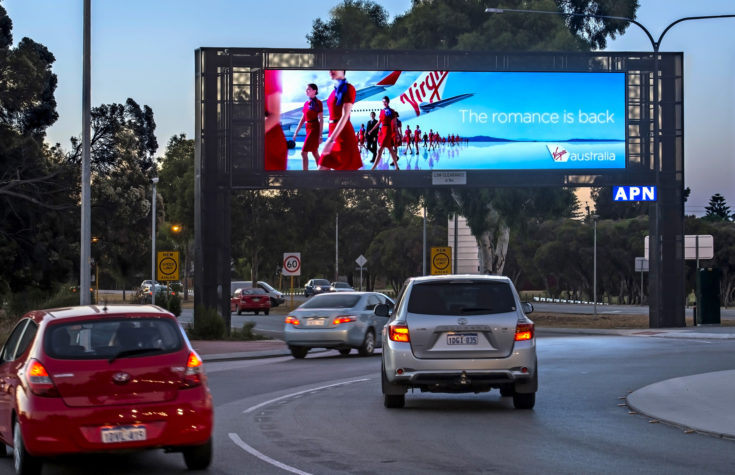
Digital LED Billboard Growth Drives Real Estate & FMCG OOH Spend in 2025–26
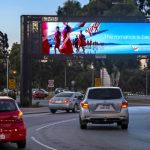
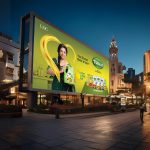
India’s out-of-home (OOH) advertising ecosystem is undergoing a decisive shift. As cities digitise and audience movement becomes more measurable, digital LED billboards are emerging as the most preferred OOH format for high-spend categories. Digital LED Billboard Growth Drives Real Estate & FMCG OOH Spend in 2025–26 reflects how these two sectors are increasing allocations toward DOOH to capture attention, drive recall, and influence consideration at scale.
Unlike static hoardings, LED billboards offer flexibility, premium visibility, and contextual relevance—qualities that align perfectly with the needs of real estate developers and FMCG brands in a competitive market.
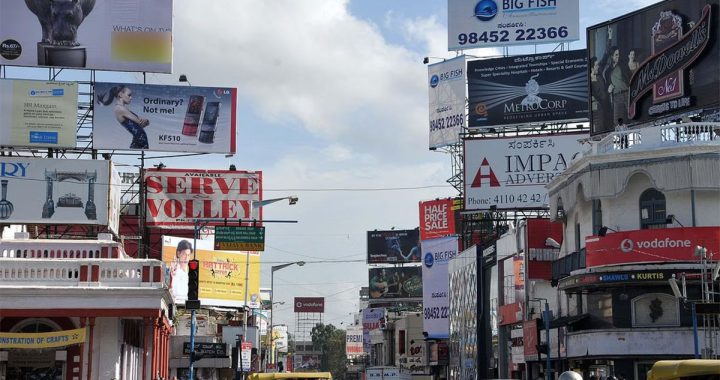
The Rise of Digital LED Billboards in Urban India
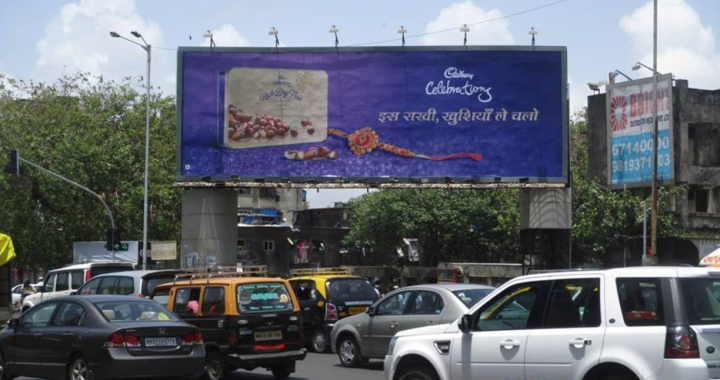
Over the last few years, digital LED billboards have expanded rapidly across metro and Tier-1 cities. Improved power infrastructure, smart city projects, and falling LED costs have accelerated deployment at high-traffic locations.
Key growth zones include:
-
Arterial roads and junctions
-
Central business districts
-
Transit corridors and flyovers
-
Mall facades and mixed-use developments
As a result, LED billboards are no longer experimental formats. They are becoming core OOH assets in urban media plans.

Digital LED Billboard Growth Drives Real Estate & FMCG OOH Spend in 2025–26
Both real estate and FMCG brands share a common requirement—high-frequency visibility at decision-making moments. Digital LED billboards deliver this through repetition, motion, and premium placement.
In 2025–26, advertisers in these categories are prioritising:
-
Fewer but higher-impact LED sites
-
Longer campaign durations
-
Dynamic creative rotations
-
City-specific messaging
Therefore, LED billboards are absorbing a larger share of overall OOH budgets.
Why Real Estate Brands Prefer Digital LED Billboards
Real estate marketing depends heavily on trust, scale, and local relevance. Digital LED billboards support all three.
Developers use LED screens to:
-
Promote multiple projects in rotation
-
Update messaging based on launch phases
-
Highlight offers, possession timelines, or site visits
-
Dominate key catchment routes near projects
In cities such as Mumbai, Bengaluru, and Hyderabad, real estate-led DOOH clusters around IT corridors and residential growth zones are seeing sustained demand.
Because property purchases involve long consideration cycles, repeated exposure through LED billboards significantly improves top-of-mind recall.
FMCG Brands Leverage LEDs for Speed and Scale
FMCG brands operate in a high-frequency, high-competition environment. Speed of communication and visual dominance are critical.
Digital LED billboards allow FMCG advertisers to:
-
Launch new products quickly
-
Align creatives with seasons, festivals, or weather
-
Rotate SKUs or offers without reprinting costs
-
Maintain continuous brand presence
Moreover, motion and brightness help FMCG creatives cut through urban clutter. Consequently, LED billboards are becoming essential for large-scale FMCG visibility.
Dynamic Messaging Enhances Campaign Effectiveness
One of the biggest advantages of digital LED billboards is dynamic messaging.
Brands can:
-
Change creatives by time of day
-
Localise language and offers
-
Sync messaging with digital or retail campaigns
For example, FMCG brands push breakfast or beverage messaging in the morning and snack-focused creatives in the evening. Similarly, real estate brands adjust messaging between weekdays and weekends.
This adaptability increases relevance and improves ROI compared to static formats.
Premium Locations Justify Higher Spend
LED billboards are typically installed at premium locations due to infrastructure and compliance requirements. While rentals are higher, the impact justifies the cost.
Advertisers benefit from:
-
Longer dwell time
-
Higher attention density
-
Reduced clutter due to regulation
-
Stronger brand perception
Therefore, both real estate and FMCG brands view LED billboards as value investments, not cost-heavy media.

Measurement and Accountability Attract Big Budgets
Another reason for increased spend is improved measurement. LED networks now offer:
-
Time-based delivery logs
-
Impression modelling
-
Campaign duration transparency
When combined with sales uplift or lead data, advertisers gain better confidence in OOH effectiveness. Hence, LED billboards are attracting budgets that earlier stayed within digital-only channels.
Metro and Tier-1 Cities Leading the Shift
The strongest growth in LED billboard spending is visible in metros and fast-growing Tier-1 cities.
Cities such as Delhi, Pune, and Chennai are witnessing:
-
Replacement of static hoardings with LEDs
-
Consolidation into fewer, premium sites
-
Higher occupancy rates for DOOH inventory
As infrastructure spreads, Tier-2 cities are expected to follow this pattern in the next phase.
How This Trend Shapes the Future of OOH
The shift toward digital LED billboards signals a broader transformation in OOH planning:
-
From volume buying to impact buying
-
From fixed creatives to adaptive storytelling
-
From short bursts to sustained presence
For real estate and FMCG brands, this approach aligns better with long-term brand building and consistent market dominance.
Conclusion: LED Billboards Are Becoming the Backbone of High-Spend OOH
Digital LED Billboard Growth Drives Real Estate & FMCG OOH Spend in 2025–26 because the format delivers what modern advertisers demand—visibility, flexibility, and accountability.
As Indian cities grow smarter and more regulated, LED billboards will continue to attract premium budgets. For real estate developers and FMCG brands alike, DOOH is no longer optional—it is becoming the primary stage for urban brand storytelling.