


Effective Outdoor Advertising Strategies for Urban Markets
3 min read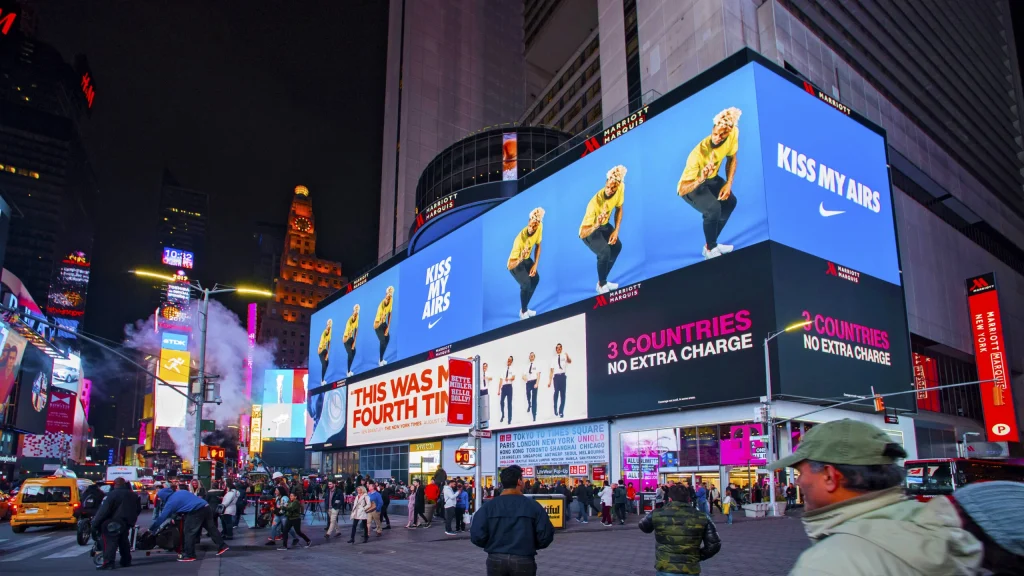
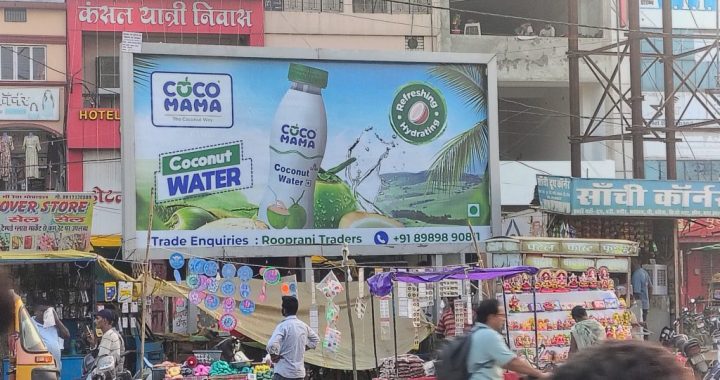
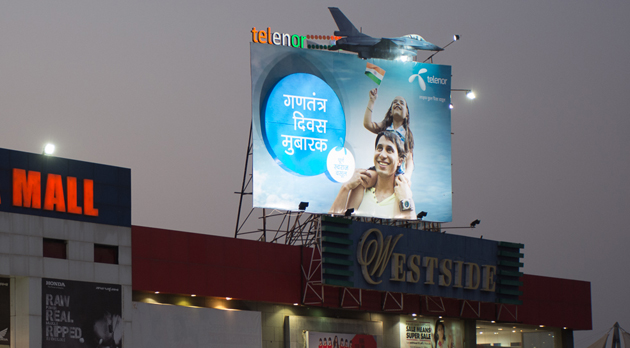
Urban markets are noisy and saturated with messages, which makes traditional outdoor advertising (Out-of-Home, or OOH) easily overlooked. To succeed in this competitive environment, advertisers must use strategic placement, dynamic content, and audience data to maximize impact. Effective OOH in cities moves beyond simple billboards to become an integrated part of the urban landscape.
1. Precision Placement Over Mass Coverage
In dense cities, location is everything. You don’t need a thousand billboards; you need ten in the exact right spot.
-
Targeted Neighborhoods: Focus on areas known for high foot traffic, specific demographics, or particular consumer interests. Instead of placing a luxury watch ad generally, place it near high-end retail districts or executive commuter hubs.
-
Contextual Relevance: Match the ad to the immediate surroundings. Place coffee ads near major transit stops in the morning, or place restaurant ads near entertainment districts just before dinner time. The ad becomes part of the consumer’s current experience.
-
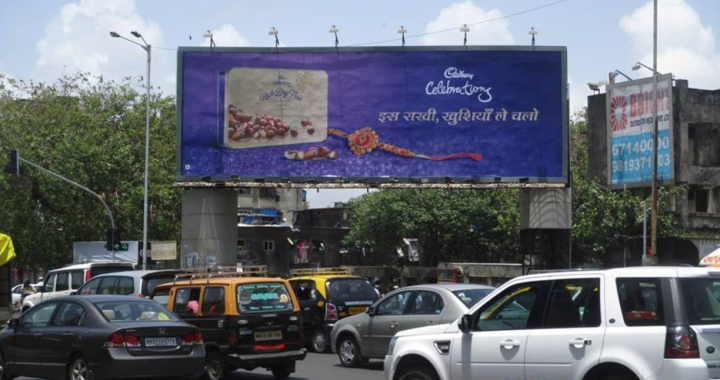
Commuter Flow: Target points where people are captive for a few minutes. This includes subway platforms , traffic chokepoints, bus shelters, and pedestrian crossings. These areas guarantee longer viewing times.
2. Embrace the Power of Digital and Dynamic Content
Static billboards struggle to compete with a city’s visual noise. Digital Out-of-Home (DOOH) offers the flexibility needed to capture attention.
-
Dynamic Messaging: Use screens that can change messages based on real-time data. This includes showing the weather, a live local sports score, or an updated traffic report. Relevant, live information is inherently sticky.
-
Time-Sensitive Offers: Run different ads throughout the day. Promote breakfast deals in the morning, lunch specials at noon, and happy hour deals in the late afternoon. This leverages the short-term consumer need.
-
Short, Impactful Content: Urban viewing times are often just a few seconds. Ads must use minimal text, high-contrast visuals, and a clear, singular brand message. The creative must be understood instantly.
3. Integrate with Mobile and Online Campaigns
The most effective urban OOH doesn’t operate alone; it drives traffic to a measurable digital action.
-
Clear Call-to-Action (CTA): Give consumers a reason to act right away. This could be a unique QR code, a short, memorable URL (e.g.,
brand.com/city), or a specific hashtag. -
Omnichannel Retargeting: Use location data (from mobile devices exposed to the OOH screen) to follow up with a personalized mobile ad later. This connects the high-impact awareness of the billboard to the measurable conversion of an online ad.
-
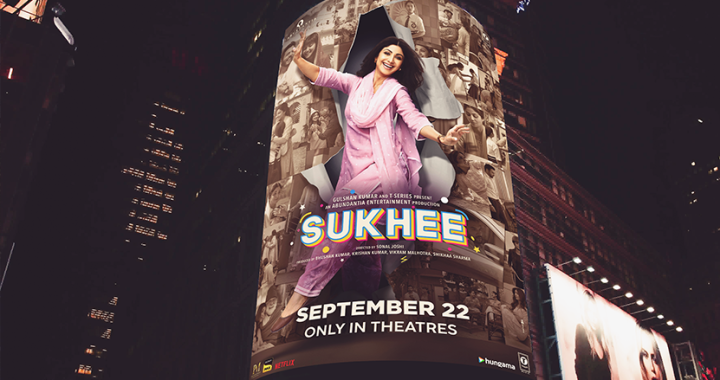
Social Amplification: Design the OOH placement to be “shareable.” Large-scale, visually stunning, or unique installations often encourage people to take photos and post them online, giving your campaign free social media reach.
4. Understand the Urban Audience with Data
Modern advertising relies on data to predict the audience viewing the screen, known as Programmatic DOOH (pDOOH).
-
Audience Profiling: Use data analytics to understand the demographics, income levels, and interests of people passing a specific screen at different times of the day. This allows you to show ads only when your target audience is present.
-
A/B Testing: The flexibility of digital screens allows for rapid testing. Run two different creative versions on nearby screens and use foot traffic data or CTA usage to quickly determine which one performs better.
By moving away from static, broad messaging and focusing on precision, dynamism, and digital integration, brands can ensure their outdoor ads not only get seen in busy urban markets but actually drive consumer decisions.