


FMCG Billboard Advertising in India: Measuring Effectiveness, Reach, and Urban vs Semi-Urban Impact
3 min read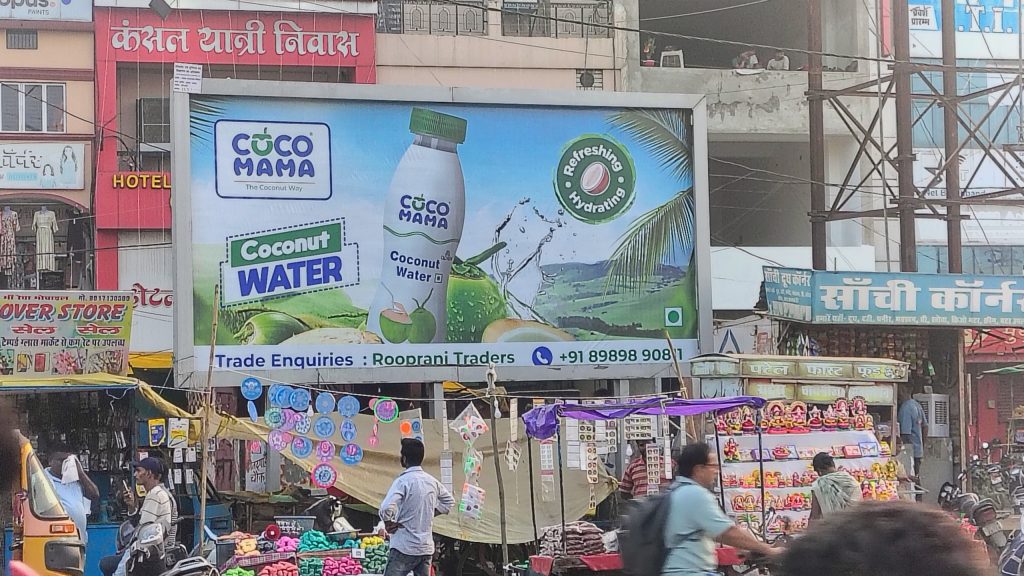
FMCG Billboard Advertising in India helps brands measure reach, effectiveness, and urban vs semi-urban impact.
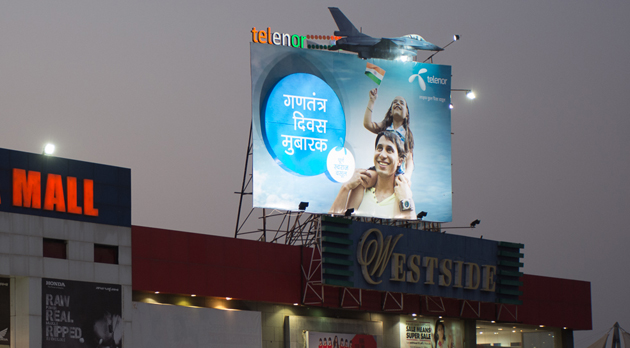
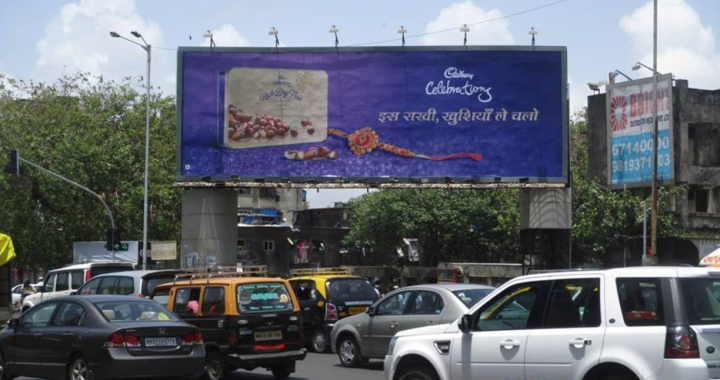
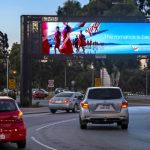
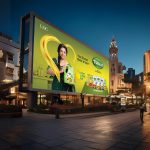
In a country as vast and diverse as India, FMCG billboard advertising continues to be one of the most powerful mass-reach media formats. Despite the rise of digital channels, FMCG brands still rely heavily on outdoor billboards to drive awareness, recall, and top-of-mind presence. From metros to emerging towns, billboards help FMCG brands stay visible in consumers’ everyday lives—right where purchase decisions are influenced.
However, measuring effectiveness, understanding reach, and evaluating urban vs semi-urban impact have become critical as media budgets get sharper and more outcome-driven.

Why FMCG Brands Continue to Invest in Billboard Advertising
FMCG products are low-involvement but high-frequency purchases. Therefore, repeated visual exposure matters more than deep messaging. Billboard advertising delivers this repetition consistently.
Key reasons FMCG brands prefer billboards include:
-
High reach across daily commute routes
-
Strong brand recall through repeated exposure
-
Visibility among both digital and non-digital audiences
-
Ability to dominate geography at scale
As a result, billboards act as memory triggers at the moment consumers walk into kirana stores, supermarkets, or malls.
Measuring the Effectiveness of FMCG Billboard Advertising
Unlike digital clicks, billboard impact is measured through a mix of quantitative and qualitative indicators. FMCG brands typically evaluate effectiveness using multiple lenses.
Common measurement parameters include:
-
Traffic-based reach: Vehicle and pedestrian counts near the site
-
Frequency: Number of daily exposures on key routes
-
Brand recall studies: Pre- and post-campaign surveys
-
Sales lift correlation: Store-level sales movement in billboard catchments
-
Retail feedback: Distributor and retailer observations
Because FMCG campaigns are often burst-led, even short-term billboard exposure can deliver measurable uplifts when placed strategically.
Role of Creative Simplicity in FMCG Billboard Impact
FMCG billboard creatives work best when they are simple, bold, and instantly recognisable. Since consumers view billboards at speed, clarity becomes non-negotiable.
High-performing FMCG billboard creatives usually feature:
-
Large product packs or logos
-
Minimal copy (often under 7 words)
-
Strong colour codes linked to the brand
-
Clear benefit or usage cue
This is why brands like Hindustan Unilever, ITC, Nestlé India, PepsiCo India, and Coca-Cola India continue to prioritise outdoor visibility for flagship products.
Urban FMCG Billboard Advertising: Scale and Saturation
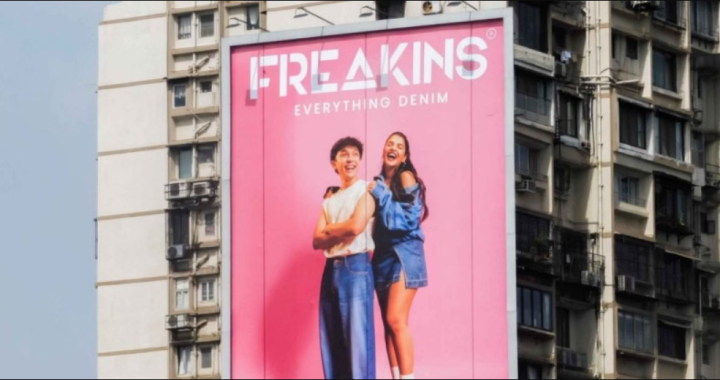
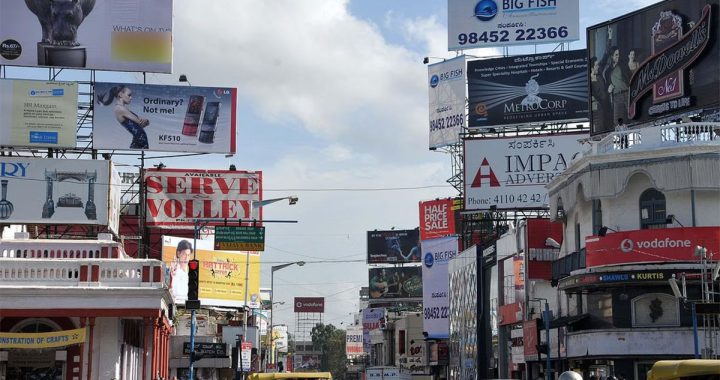
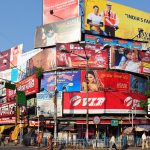
In urban markets such as Delhi, Mumbai, Bengaluru, and Chennai, FMCG billboards operate in a high-clutter environment.
Urban advantages:
-
Massive daily impressions
-
Higher disposable incomes
-
Faster brand switching behaviour
-
Strong synergy with modern trade and q-commerce
However, urban campaigns require premium locations and high-frequency placements to break through visual noise.

Semi-Urban FMCG Billboard Advertising: Recall and Cost Efficiency
Semi-urban and emerging markets offer a different value proposition. Towns on highways, district headquarters, and Tier-2/3 cities often have lower media clutter.
Semi-urban advantages include:
-
Higher noticeability due to limited competition
-
Longer dwell time near markets and bus stands
-
Strong word-of-mouth amplification
-
Lower cost per reach
In many cases, FMCG billboard advertising in semi-urban markets delivers higher brand recall at a lower cost, especially for mass and value-led brands.
Urban vs Semi-Urban Impact: Key Differences
When comparing urban vs semi-urban FMCG billboard impact, brands observe clear contrasts:
-
Urban markets drive scale, brand stature, and quick trials
-
Semi-urban markets drive deeper recall, loyalty, and volume stability
-
Urban billboards support premium and innovation launches
-
Semi-urban billboards strengthen core SKU penetration
Therefore, the most effective FMCG strategies combine both geographies rather than choosing one over the other.
Billboard Advertising vs Digital for FMCG Brands
While digital media offers targeting, billboards deliver public legitimacy. FMCG buyers often trust brands they see everywhere—on roads, shops, and homes.
Compared to digital-only campaigns:
-
Billboards cannot be skipped or blocked
-
Messaging reaches all age and income groups
-
Brand presence feels more established and trustworthy
As a result, billboards often act as the backbone of FMCG brand-building, with digital acting as a supporting layer.
Long-Term Value of Billboard Advertising for FMCG
Billboards work best when used consistently. Repeated seasonal campaigns—summer beverages, festive foods, winter care products—create mental availability over time.
In conclusion, FMCG billboard advertising in India remains a high-impact, scalable, and cost-efficient medium. By measuring effectiveness smartly and balancing urban and semi-urban markets, brands can maximise reach, recall, and long-term growth in one of the world’s most competitive consumer landscapes.