








How Long-Term Media Rights Contracts Shape Advertising Landscapes in India?
3 min read
How long-term media rights contracts shape advertising landscapes in India by driving stability, innovation, and media quality.
India’s advertising ecosystem has undergone a significant transformation over the past decade. One of the biggest drivers behind this change is the rise of long-duration media concessions. How Long-Term Media Rights Contracts Shape Advertising Landscapes in India? is a question increasingly relevant for advertisers, authorities, and media agencies alike. These contracts, often spanning 10 to 30 years, influence everything from media quality and innovation to pricing structures and advertiser access. Therefore, understanding their impact is essential for effective media planning and policy decisions.
What Are Long-Term Media Rights Contracts?
Long-term media rights contracts grant an agency or operator exclusive or semi-exclusive rights to manage, sell, and operate advertising inventory on public or semi-public assets. These assets include metro rail networks, airports, highways, smart city infrastructure, and municipal outdoor media.

Unlike short-term licenses, long-term contracts provide stability and predictability. As a result, media operators are more willing to invest in infrastructure upgrades, technology, and premium formats.
Infrastructure Development and Media Quality
One of the most visible impacts of long-term media rights contracts is improved infrastructure. Since operators have extended time horizons to recover investments, they focus on durable, high-quality installations.
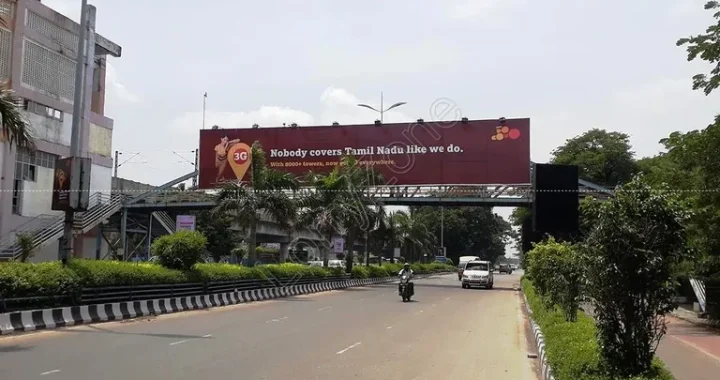
Consequently, Indian cities have witnessed a shift from basic static hoardings to LED screens, digital billboards, interactive panels, and integrated transit media. This evolution has elevated the overall quality of outdoor advertising and aligned Indian markets with global standards.
Encouraging Innovation and Digital Adoption
Long-term contracts reduce uncertainty. Therefore, operators experiment with advanced formats such as DOOH networks, programmatic integrations, and data-driven content delivery.
Moreover, stable contracts encourage partnerships with technology providers. Audience measurement tools, content management systems, and real-time monitoring become feasible only when operators have guaranteed tenure. As a result, advertisers gain access to smarter and more accountable media options.
Revenue Stability for Authorities
From the perspective of government bodies and asset owners, long-term media rights contracts offer predictable revenue streams. Fixed license fees, revenue-sharing models, or hybrid structures ensure consistent income over the contract period.

This stability helps authorities plan budgets more effectively. Additionally, reduced tender frequency lowers administrative burden and operational disruptions.
Impact on Advertisers and Media Buyers
For advertisers, long-term contracts create structured media ecosystems. Campaign planning becomes easier because formats, rates, and availability remain relatively consistent.
However, exclusivity can also limit flexibility. Since one operator controls large inventories, advertisers may face limited negotiation leverage. Therefore, while execution improves, pricing dynamics may become less competitive in certain markets.
Market Consolidation and Entry Barriers
Long-term media rights contracts often favour financially strong and experienced players. High entry barriers reduce fragmentation but also lead to market consolidation.
While consolidation improves standardisation and compliance, it can restrict participation from smaller or regional agencies. Consequently, the advertising landscape becomes more organised but less diverse.
Standardisation of Branding and Compliance
Extended contracts allow operators to enforce uniform branding guidelines, safety norms, and compliance protocols. This results in cleaner cityscapes, better-maintained assets, and consistent advertiser experiences.
Furthermore, authorities benefit from fewer violations and clearer accountability, as responsibility rests with a single long-term operator.
Risks Associated with Long-Term Contracts
Despite their advantages, long-term media rights contracts carry risks. Market conditions evolve rapidly, especially with digital disruption. Fixed contracts may struggle to adapt to new formats, audience behaviour, or advertiser expectations.
Additionally, if performance drops, authorities have limited recourse during the contract tenure. Therefore, well-defined performance clauses and review mechanisms are critical.
Strategic Balance: Flexibility vs Stability
The real impact of long-term contracts depends on balance. When structured with periodic reviews, upgrade clauses, and performance benchmarks, they drive sustainable growth. However, rigid agreements can slow innovation.
Hence, authorities increasingly design contracts that combine long-term stability with mid-term flexibility.
Final Thoughts
How Long-Term Media Rights Contracts Shape Advertising Landscapes in India? goes beyond tenure duration. These contracts influence infrastructure quality, technology adoption, market structure, and advertiser experience. While they bring stability, scale, and professionalism, they must be designed thoughtfully to remain future-ready. Therefore, the success of India’s advertising landscape depends not just on long-term contracts, but on how intelligently they are implemented and governed.