








How Mumbai’s New Outdoor Advertising Policy 2025 Is Rewriting Rules for Hoardings and Digital Billboards
4 min read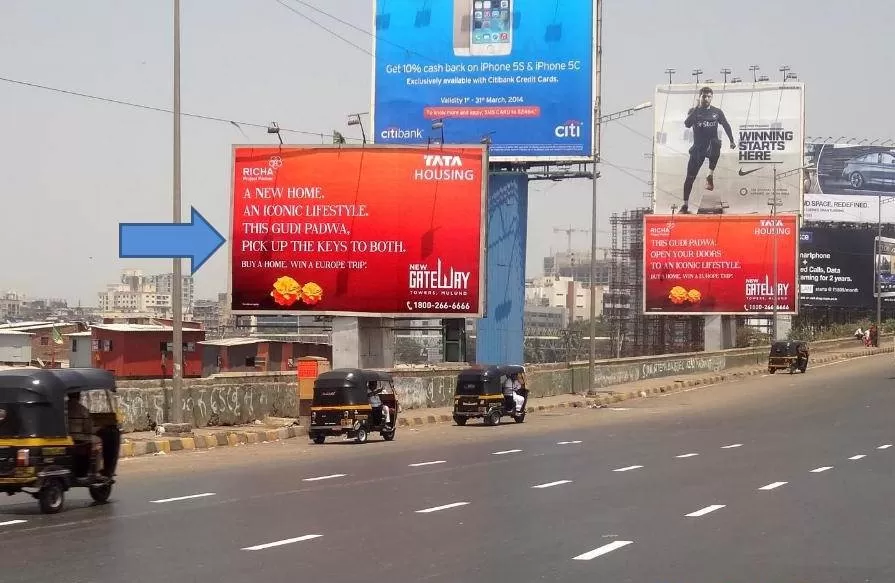
How Mumbai’s New Outdoor Advertising Policy 2025 Is Rewriting Rules for Hoardings and Digital Billboards
In 2025, the Municipal Corporation of Greater Mumbai (MCGM) — commonly known as the Brihanmumbai Municipal Corporation (BMC) — rolled out a comprehensive Outdoor Advertising Policy that is reshaping how outdoor media operates in India’s financial capital. How Mumbai’s New Outdoor Advertising Policy 2025 Is Rewriting Rules for Hoardings and Digital Billboards explores the impact of the new policy, how industry stakeholders are responding, and what opportunities the changes open up for brands and advertisers.
After decades of inconsistent enforcement and visual clutter, the policy represents a systematic attempt to balance urban aesthetics, public safety, and advertising growth potential.
What the New Outdoor Advertising Policy 2025 Covers
The 2025 policy introduces structured regulations across multiple dimensions of outdoor media:
-
Size limits for static hoardings and digital billboards
-
Zonal classifications dictating where advertising is permitted
-
Height and setback requirements for displays
-
Safety certifications and structural audits
-
Design controls for heritage and sensitive zones
-
Digital display brightness and motion standards
-
Permitting, licensing, and fee structures
By codifying these norms, Mumbai has become one of the first Indian metros to apply consistent, enforceable outdoor advertising standards at scale.
How Mumbai’s New Outdoor Advertising Policy 2025 Is Rewriting Rules for Hoardings and Digital Billboards
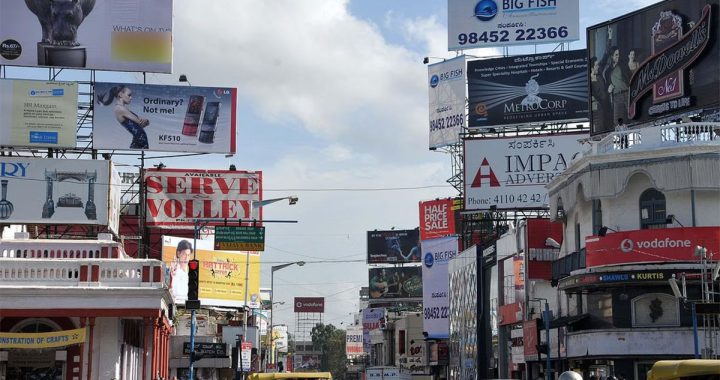
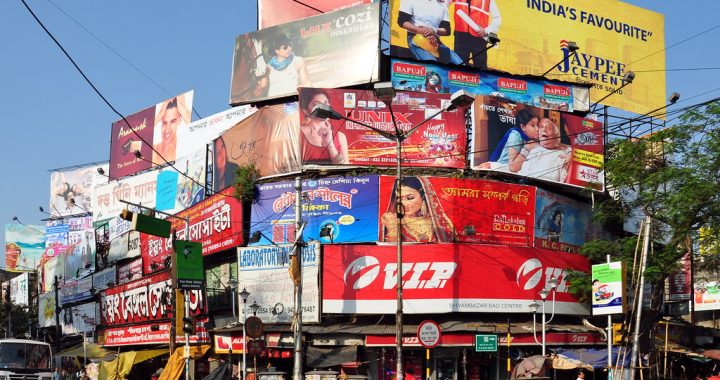
Before 2025, outdoor advertising in Mumbai was constrained by intermittent enforcement. Some areas were heavily cluttered with hoardings, while others lacked clear permitting oversight. The new policy rewrites this reality by requiring brand owners, media agencies, and site operators to comply with a transparent framework.
This policy is comprehensive rather than piecemeal, tackling issues such as:
-
Over-size hoardings that obstruct sightlines
-
Digital screens with excessive brightness or motion that distract drivers
-
Encroachments in no-advertising zones
-
Lack of safety protocols and structural verification
In essence, the policy aligns advertising activities with broader urban planning and public safety priorities.

Visual Clarity Through Size and Zonal Restrictions
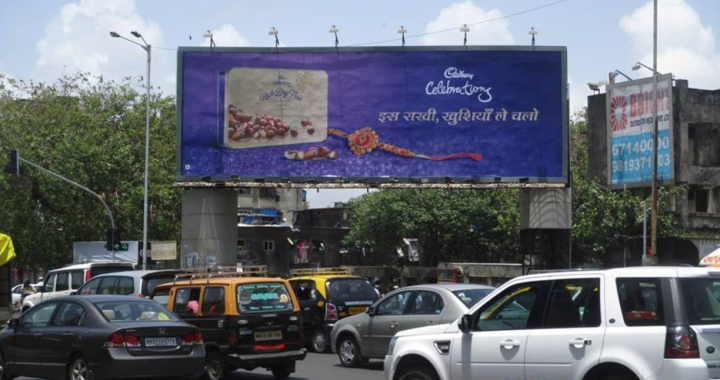
One of the policy’s most noticeable changes is size regulation. Static hoardings and digital billboards must adhere to specific dimension limits depending on the zone — commercial, transit, residential, or heritage.
For example:
-
Transit corridors may allow larger displays to account for high visibility needs
-
Heritage or sensitive zones impose tighter size caps and creative standards
-
Residential pockets may have restricted or no-advertising areas to preserve community character
This zonal approach ensures visual balance across Mumbai’s vastly different neighborhoods.
Safety and Structural Accountability
Mumbai’s monsoons, coastal winds, and dense urban fabric make hoarding safety a real concern. The new policy mandates:
-
Certified structural engineering reports
-
Regular (annual or biannual) safety audits
-
Documentation of maintenance and load-bearing compliance
-
Insurance coverage for large displays
These requirements reduce the risk of collapses or hazards during storms — a major public safety improvement.
Regulating Digital Billboards for Urban Comfort
Digital outdoor displays add dynamism, but they also pose unique challenges. The policy introduces standards for:
-
Maximum brightness levels (adjusted by time of day)
-
Motion limitations to prevent driver distraction
-
Content switching intervals
-
Automatic dimming near residential zones at night
By setting objective thresholds, Mumbai’s approach protects both advertisers’ visibility and public interest.
Streamlined Permitting and Fee Structures
The policy also restructures how permits and fees are issued. Rather than ad hoc approvals, advertisers now follow a defined process that includes:
-
Digital application submission
-
Compliance checks for zoning and safety
-
Fee calculation based on size, location, and visibility impact
-
Time-bound approvals with digital tracking
This reduces ambiguity and improves planning certainty for brands investing in OOH campaigns.
Industry Reactions: Concerns and Optimism
Stakeholders have responded to the policy with a mix of caution and optimism.
Concerns include:
-
Higher compliance costs for structural audits and certifications
-
Reduced inventory in legacy high-visibility pockets
-
Adjustment time for agencies used to informal practices
Optimism stems from:
-
A cleaner and more premium outdoor environment
-
Predictable regulatory framework encouraging long-term investments
-
Better integration of digital formats through defined standards
-
Increased trust among global advertisers considering Indian OOH
Advertisers increasingly view compliance as a competitive edge rather than a bureaucratic hurdle.

Opportunities for Brands Under the New Policy
While compliance is non-negotiable, the policy also unlocks new strategic opportunities:
Premium, Clutter-Free Visibility:
Fewer oversized hoardings mean remaining compliant sites attract greater attention and recall.
Higher Creative Value:
With size limits in place, creatives must be sharper and more concept-driven rather than relying on sheer scale.
Data & Programmatic Readiness:
Since the policy emphasises digitisation standards, brands can leverage real-time and programmatic DOOH strategies more confidently.
Safety as a Brand Promise:
Ensuring compliant installations reflects positively on a brand’s commitment to public safety and urban responsibility.
Aligning with Smart City and Urban Planning Goals
Mumbai’s policy also dovetails with larger urban goals such as traffic safety, heritage conservation, and visual identity. By incorporating advertising into city planning rather than treating it as an uncontrolled overlay, the policy elevates OOH as a partner in urban transformation.
In this sense, brands can position compliant and creative outdoor campaigns as contributors to the city’s aesthetic and functional health.
Implementation Challenges and the Road Ahead
No large-scale regulatory shift is without friction. Key implementation challenges include:
-
Capacity of municipal teams to monitor compliance citywide
-
Standardising safety audits among diverse media owners
-
Ensuring digital compliance across third-party display networks
-
Educating smaller advertisers and local agencies on new norms
However, the policy also introduces digital dashboards and monitoring tools that promise better enforcement and transparency over time.
Conclusion: A New Chapter for OOH in Mumbai
How Mumbai’s New Outdoor Advertising Policy 2025 Is Rewriting Rules for Hoardings and Digital Billboards is ultimately a story of evolution. It balances commercial opportunity with civic responsibility, and visibility with visual harmony.
The policy challenges the OOH industry to be smarter, safer, and more strategic. For brands, this means investing in compliance as well as creativity — and benefiting from a cleaner, more premium outdoor ecosystem in one of India’s most dynamic cities.