








Nano-Influencers: The New Powerhouses of Authentic Marketing
5 min read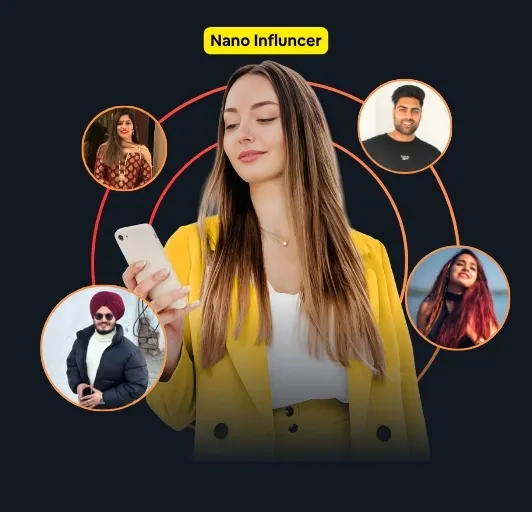
Discover how nano-influencers drive authentic marketing with higher engagement, trust, and hyperlocal relevance.
In the age of influencer saturation, where celebrity endorsements and mega campaigns flood every platform, a quiet but powerful shift is reshaping the marketing landscape — the rise of nano-influencers.
With follower counts typically between 1,000 and 10,000, nano-influencers may not have the mass reach of celebrities or macro creators, but they possess something far more valuable: trust and authenticity.
As brands move away from vanity metrics and focus on genuine engagement, nano-influencers are emerging as the new engines of authentic marketing — bridging the gap between personal connection and measurable impact.
Who Are Nano-Influencers?
Nano-influencers are everyday social media users who have built tight-knit, loyal communities around shared interests — from fitness and fashion to finance, travel, tech, or parenting.
They are not full-time influencers; many are professionals, students, or hobbyists who create content because they’re passionate about their niche.
Unlike macro or celebrity influencers who broadcast to millions, nano-influencers converse with hundreds or thousands, often responding to every comment or message personally. This close interaction creates a strong sense of community trust, which makes their recommendations more credible.
The Shift Toward Authenticity
Consumers today have grown skeptical of highly polished, overtly promotional influencer content. According to multiple studies, over 60% of users trust recommendations from “people like them” over celebrity endorsements.
Nano-influencers thrive on this very dynamic. Their content feels real, relatable, and rooted in personal experience, not scripted marketing briefs.
For example:
-
A nano-influencer in Bengaluru reviewing a local café’s new menu.
-
A small-town fitness creator sharing honest feedback on affordable workout gear.
-
A skincare enthusiast posting daily routines using products they actually use.
These micro-moments of authenticity carry more persuasive power than any celebrity ad because audiences see them as friends, not marketers.
Why Brands Are Betting Big on Nano-Influencers
1. Higher Engagement Rates
Engagement, not reach, drives results — and nano-influencers consistently outperform larger influencers here.
While macro influencers may average 1–2% engagement, nano-influencers often achieve 7–10% or higher, thanks to their intimate relationships with followers.
Brands collaborating with them often see:
-
Higher comment-to-like ratios.
-
More organic conversations around products.
-
Deeper brand trust within smaller communities.
In short: smaller audience, stronger connection, higher impact.
2. Authentic Word-of-Mouth Marketing
Nano-influencers excel at peer-to-peer marketing — the digital version of word-of-mouth. Their recommendations feel like advice from a trusted friend, not a brand message.
This authenticity drives:
-
Higher conversion rates. Their followers genuinely act on suggestions.
-
User-generated content. Followers often mimic, review, or share similar content.
-
Repeat visibility. Their posts don’t feel intrusive, so audiences stay engaged longer.
It’s not just marketing — it’s conversation-driven storytelling.
3. Cost-Effective Collaborations
Partnering with nano-influencers allows brands to stretch marketing budgets efficiently.
Instead of investing heavily in one celebrity campaign, marketers can collaborate with hundreds of nano-creators simultaneously — each reaching a different micro-community.
This strategy:
-
Increases reach diversity.
-
Reduces dependency on a single influencer.
-
Lowers per-influencer cost while maintaining authenticity.
For small and medium businesses (SMBs) or D2C brands, this is especially powerful — it delivers ROI without the high entry barrier of big-name partnerships.
4. Hyperlocal and Niche Targeting
Nano-influencers often dominate regional and niche communities — from local food reviewers to Tamil beauty vloggers or Hindi parenting creators.
For brands in India and emerging markets, this hyperlocal relevance is gold. Platforms like Instagram, Moj, Josh, and YouTube Shorts make it easy for creators to reach local audiences with language and cultural alignment.
Brands can tap into this by:
-
Launching city-based campaigns (e.g., Delhi food nano-creators).
-
Targeting vernacular audiences for regional products.
-
Collaborating on festive or cultural moments unique to certain geographies.
Nano-influencers aren’t just brand voices — they’re local storytellers.
5. Genuine Feedback and Product Testing
Nano-influencers are known for honest reviews — they don’t hesitate to share pros and cons. For brands, this authenticity isn’t a liability; it’s a credibility asset.
By working with these creators, brands gain:
-
Real feedback for product improvement.
-
Credibility through transparency.
-
Organic testimonials that resonate with real consumers.
Their honesty helps brands fine-tune offerings while building long-term audience trust.
Case in Point: D2C Brands and Nano-Influencers
Several emerging Indian D2C brands — like Mamaearth, Sugar Cosmetics, The Man Company, and WOW Skin Science — have leveraged nano-influencers successfully.
Their campaigns often involve hundreds of small creators posting authentic videos, tutorials, and testimonials rather than a few polished celebrity ads.
The result?
-
Increased regional awareness.
-
Cost-efficient conversions.
-
Stronger community-driven advocacy.
Nano-influencer content, when aggregated, often outperforms mega-influencer collaborations on ROI and brand sentiment.
Best Practices for Working with Nano-Influencers
1. Prioritize Authentic Fit Over Numbers
Choose creators whose content naturally aligns with your brand. Even if they have just 2,000 followers, alignment matters more than reach.
2. Encourage Creative Freedom
Avoid rigid scripts. Let them speak in their voice — that’s what builds credibility.
Provide brand guidelines but let them weave in personal stories or experiences.
3. Focus on Long-Term Partnerships
Sustained collaborations build familiarity. When a nano-influencer mentions your product over months, it feels authentic and consistent, not transactional.
4. Track Engagement, Not Just Impressions
Use tools like Upfluence, HypeAuditor, or Modash to measure engagement quality — comments, shares, and sentiment.
High engagement from 2,000 people often outperforms passive reach from 200,000.
5. Amplify Their Content
Repurpose nano-influencer posts into paid ads or brand social media pages. This hybrid model — organic + paid amplification — scales their impact efficiently.
Challenges and How to Overcome Them
While nano-influencer marketing offers clear advantages, it’s not without hurdles:
-
Scalability: Managing 50+ collaborations requires coordination — solved through influencer platforms or agencies.
-
Measurement: Tracking ROI across hundreds of posts can be complex — use UTM links, affiliate codes, or centralized dashboards.
-
Consistency: Smaller creators may have varying content quality — provide simple creative templates or training modules.
Once streamlined, these challenges are minor compared to the authenticity dividend they deliver.
The Future: From Reach to Relationship
The influencer marketing landscape is shifting — from mass influence to micro trust. In this new paradigm:
-
Consumers value honesty over aesthetics.
-
Smaller communities drive deeper brand impact.
-
Brands prioritize relationships over reach.
Nano-influencers embody all three. Their strength lies not in numbers, but in narrative — a voice that feels real, personal, and community-driven.
As AI, data analytics, and personalization evolve, brands that harness the authenticity of nano-creators will stand out in an increasingly automated world.
Conclusion
In the era of authenticity, nano-influencers are redefining the rules of digital influence. They deliver genuine engagement, regional relevance, and trust that money can’t buy.
For brands seeking meaningful connections over superficial visibility, the path forward is clear — think smaller, act local, and build long-term relationships with these new powerhouses of authentic marketing.
Because in today’s creator economy, impact isn’t measured by reach — it’s measured by resonance.