







Performance Max Campaigns: How Google’s AI is Changing the Game
4 min read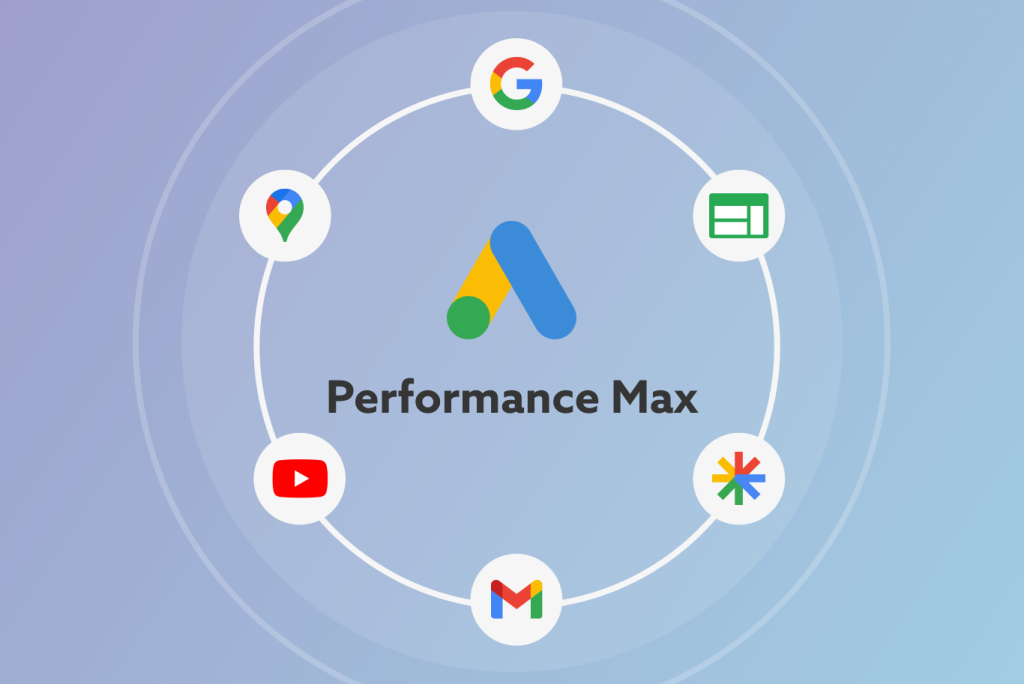
Performance Max Campaigns: How Google’s AI is Changing the Game
The evolution of digital advertising has reached a new milestone with Google’s Performance Max campaigns. Built on advanced machine learning, these campaigns are reshaping how marketers plan, execute, and optimize ad strategies across Google’s entire ecosystem.
From YouTube and Display to Search, Discover, and Maps, Performance Max unifies all channels under one AI-driven campaign. It’s not just a feature — it’s a new way of advertising, designed to drive performance through automation, data, and creative intelligence.
In this article, we’ll explore how Google’s AI-powered Performance Max campaigns are changing the game — helping brands reach more audiences, streamline management, and maximize ROI.
1. What Are Performance Max Campaigns?
Performance Max (PMax) is an AI-powered campaign type by Google Ads that allows marketers to run a single campaign across all Google properties. Instead of managing multiple campaigns (Search, YouTube, Display, etc.), advertisers can now use one campaign to cover them all.
PMax leverages machine learning, automation, and audience insights to:
-
Find the best ad placements automatically.
-
Optimize bids and budgets in real time.
-
Generate the most relevant creative combinations.
-
Maximize conversions or conversion value based on set goals.
In short, Performance Max acts as your always-on, self-optimizing marketing engine.
2. How Google’s AI Powers Performance Max
At the core of Performance Max is Google’s AI and machine learning technology. It continuously learns from campaign data, user intent, and contextual signals to deliver the best possible results.
AI Capabilities Include:
-
Automated bidding: Adjusts bids dynamically to maximize ROI.
-
Audience expansion: Finds new audiences similar to your converters.
-
Creative optimization: Mixes and matches headlines, images, and videos to find winning combinations.
-
Predictive analytics: Forecasts outcomes and adjusts strategies based on conversion trends.
With billions of daily search and behavioral signals, Google’s AI transforms marketing guesswork into data-driven precision.
3. Why Performance Max Is a Game-Changer for Marketers
Performance Max campaigns revolutionize traditional Google Ads management by combining automation, data, and cross-channel reach.
Key Benefits:
-
Unified Campaign Management: One campaign covers all Google channels.
-
Goal-Based Optimization: AI focuses on your specific business goals (sales, leads, or traffic).
-
Broader Reach: Tap into YouTube, Display, Search, Discover, Gmail, and Maps simultaneously.
-
Smarter Creative Testing: Automatically identifies top-performing assets.
-
Increased Efficiency: Saves time while improving accuracy.
Marketers no longer have to manually allocate budgets or experiment endlessly — the system optimizes itself for maximum impact.
4. How Performance Max Works: The AI Workflow
Here’s how a PMax campaign operates behind the scenes:
-
Input: Marketers provide creative assets (text, images, videos), audience signals, and conversion goals.
-
Automation: Google’s AI analyzes audience intent, contextual data, and historical performance.
-
Optimization: It dynamically adjusts bids, placements, and creatives to meet campaign objectives.
-
Learning: Machine learning models refine strategies with each interaction and conversion.
The result? Continuous improvement without constant manual intervention.
5. Audience Signals: The Secret Ingredient
While Performance Max is automated, it thrives on quality inputs — especially audience signals. These signals guide Google’s AI to target the right people faster.
Examples include:
-
Customer match lists (CRM uploads).
-
First-party data from website visitors.
-
Interest-based audiences.
-
Demographics or in-market segments.
Feeding accurate audience data helps Google’s algorithms learn quicker and deliver sharper personalization.
6. The Role of Creatives in Performance Max Campaigns
PMax campaigns rely heavily on creative diversity. The system tests various asset combinations to find what resonates most.
Best Practices for Creatives:
-
Include multiple headlines, descriptions, and visuals for variation.
-
Add high-quality videos — they boost conversions significantly.
-
Maintain brand consistency across all assets.
-
Regularly update creatives to prevent fatigue.
AI can optimize performance, but it still needs great creative inputs to work its magic.
7. Measuring Success: New Metrics and Insights
Google has enhanced reporting for PMax campaigns with insights like:
-
Asset performance ratings (Best, Good, Low): To guide creative decisions.
-
Audience insights: Showing which audience segments drive conversions.
-
Search term insights: Highlighting trending queries.
-
Geographic and time-based performance: For granular optimization.
Marketers can use these insights to refine creative strategies and complement AI-driven automation with human intelligence.
8. Challenges and Considerations
While Performance Max simplifies campaign management, it also introduces new challenges:
-
Limited transparency: Marketers can’t fully see which channels or placements drive results.
-
Dependence on machine learning: Overreliance may limit manual control.
-
Data quality matters: Poor input data can misguide automation.
-
Creative fatigue risk: AI needs constant new assets to keep performance fresh.
To succeed, brands must balance automation with strategic oversight and strong creative direction.
9. Best Practices to Maximize Performance Max Results
-
Define clear conversion goals before setup.
-
Feed first-party data for smarter learning.
-
Continuously refresh creative assets and ad copy.
-
Use audience signals strategically to train AI faster.
-
Analyze insights reports weekly to guide creative and targeting updates.
-
Integrate with offline conversions (CRM, store sales) for full-funnel visibility.
When managed strategically, PMax can outperform traditional campaigns in both reach and ROI.
10. The Future of Performance Max: Smarter, Predictive, and More Human
As Google continues refining Performance Max, the future points toward predictive, emotion-aware marketing automation.
Upcoming trends may include:
-
AI-generated creatives powered by generative design tools.
-
Deeper integration with MarTech and CRM systems.
-
Enhanced transparency and channel-level insights.
-
Voice and visual search optimization.
The goal is clear — to create smarter campaigns that understand audiences better than ever before.
Conclusion
Performance Max marks a turning point in digital advertising — a shift from manual optimization to AI-led precision marketing. By merging all Google channels into one intelligent campaign, PMax empowers brands to reach the right audience, at the right time, with the right creative — automatically.
As Google’s AI continues to evolve, Performance Max isn’t just an upgrade — it’s the future of performance-driven advertising. Brands that learn to collaborate with AI today will define tomorrow’s marketing success stories.