





Regional Language Newspapers and FM Radio: The New Power Duo for Bharat Markets
4 min read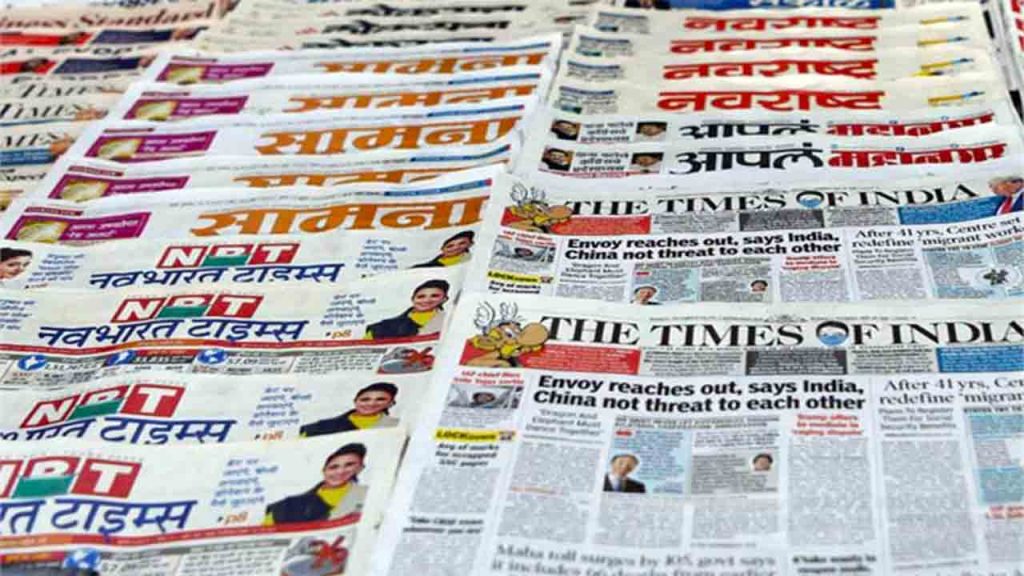
Regional Language Newspapers and FM Radio are the new power duo for Bharat markets, driving trust, reach, and recall.
Regional Language Newspapers and FM Radio: The New Power Duo for Bharat Markets reflects a clear shift in how brands are approaching growth beyond metros. As Bharat (Tier 2, Tier 3 cities and rural markets) becomes the next big consumption engine, advertisers are realising that English-centric and digital-only strategies are not enough.
Instead, brands are turning to regional language newspapers and FM radio—two deeply trusted, high-reach media platforms that speak the consumer’s language, reflect local culture, and influence real purchase decisions. Together, they form a powerful, cost-effective, and high-recall media combination for Bharat-focused campaigns.
Regional Language Newspapers and FM Radio: The New Power Duo for Bharat Markets
Bharat audiences consume media differently from metro audiences. They value familiarity, local relevance, and language comfort over flashy formats. Regional newspapers and FM radio fit seamlessly into daily routines—newspapers in the morning and radio throughout the day.
When brands appear across both these touchpoints, message recall strengthens rapidly. Consequently, campaigns feel local, credible, and relatable rather than distant or generic.
Why Regional Language Media Matters More Than Ever
India’s linguistic diversity is vast, and most consumers prefer content in their mother tongue. Regional language media creates emotional connection because it mirrors how people think, speak, and decide.
Regional language newspapers and FM radio:
-
Build trust faster than national media
-
Reflect local culture and social context
-
Influence family and community discussions
-
Reach audiences with strong buying intent
As a result, brands gain acceptance rather than just visibility.
Role of Regional Language Newspapers in Bharat Markets
Regional newspapers remain a primary source of information in Bharat. Readers rely on them for local news, government updates, job listings, education notices, and retail offers.
From an advertising perspective, newspapers deliver:
-
High credibility and attention
-
City and district-level targeting
-
Language-specific messaging
-
Cost-efficient repeated exposure
Because readers spend focused time with newspapers, ads receive deeper engagement compared to fleeting digital impressions.
How FM Radio Complements Regional Print Advertising
FM radio adds voice, emotion, and frequency to print-led campaigns. RJ-led storytelling, live mentions, and branded segments make brand messages conversational and memorable.
FM radio works exceptionally well in Bharat because:
-
Listening happens during travel, work, and leisure
-
RJs speak local dialects and slang
-
Content feels personal and familiar
-
Frequency can be built quickly at lower costs
Therefore, radio ensures that print messages are reinforced multiple times across the day.
High Recall Through Language and Cultural Alignment
The biggest advantage of combining regional newspapers and FM radio is cultural alignment. When a brand speaks the local language consistently across print and audio, recall improves naturally.
Moreover:
-
Newspaper headlines introduce the message
-
Radio repeats and humanises it
-
Audiences discuss it within families and communities
This loop creates organic amplification, which digital media often struggles to achieve in Bharat markets.

Ideal Industries for Print + Radio in Bharat
This media combination works particularly well for:
-
FMCG and daily-use products
-
Retail chains and local stores
-
Real estate and housing projects
-
Education and coaching institutes
-
Healthcare and pharma brands
-
Government and public awareness campaigns
Each of these categories depends heavily on trust, familiarity, and local presence.
Cost Efficiency and Scale Advantage
One major reason brands are shifting toward this duo is cost efficiency. Regional newspapers and FM radio offer large reach at a fraction of national media costs.
Additionally:
-
Campaigns can be city-wise or district-wise
-
Budgets can be scaled gradually
-
Frequency can be optimised without fatigue
Thus, brands achieve both scale and sustainability in Bharat-focused expansion.
Driving Action Beyond Awareness
Contrary to outdated beliefs, regional print and radio drive real action. Campaigns often include:
-
Store addresses and local phone numbers
-
Festival offers and limited-time promotions
-
Admission dates and enquiry details
-
Call-outs repeated by RJs on radio
Print creates intent, while radio nudges action. Together, they influence footfall, enquiries, and conversions.
Why Digital Alone Falls Short in Bharat Markets
While digital penetration is growing, challenges remain—language barriers, ad clutter, and low trust. Many users consume content passively or skip ads quickly.
In contrast, regional newspapers and FM radio:
-
Offer uncluttered environments
-
Deliver high attention quality
-
Reach audiences beyond smartphones
-
Influence decision-making at the household level
Therefore, traditional regional media remains indispensable.

Future of Bharat-Focused Media Planning
As Bharat continues to drive India’s growth story, media planning will increasingly prioritise language-first and locality-first strategies. Regional newspapers and FM radio will remain central to this approach.
Hence, Regional Language Newspapers and FM Radio: The New Power Duo for Bharat Markets is not a temporary trend—it is a long-term, scalable strategy for brands serious about mass adoption and trust.
Conclusion
Regional language newspapers and FM radio together offer reach, trust, cultural relevance, and high recall—exactly what Bharat markets demand. By integrating these two traditional media channels, brands can move beyond awareness and build genuine connections with India’s next billion consumers.
For advertisers looking to win Bharat, this power duo delivers impact that modern formats alone cannot match.