



Smart Urban Infrastructure Investments in Budget 2025 and the Future of OOH Advertising in Indian Smart Cities
4 min read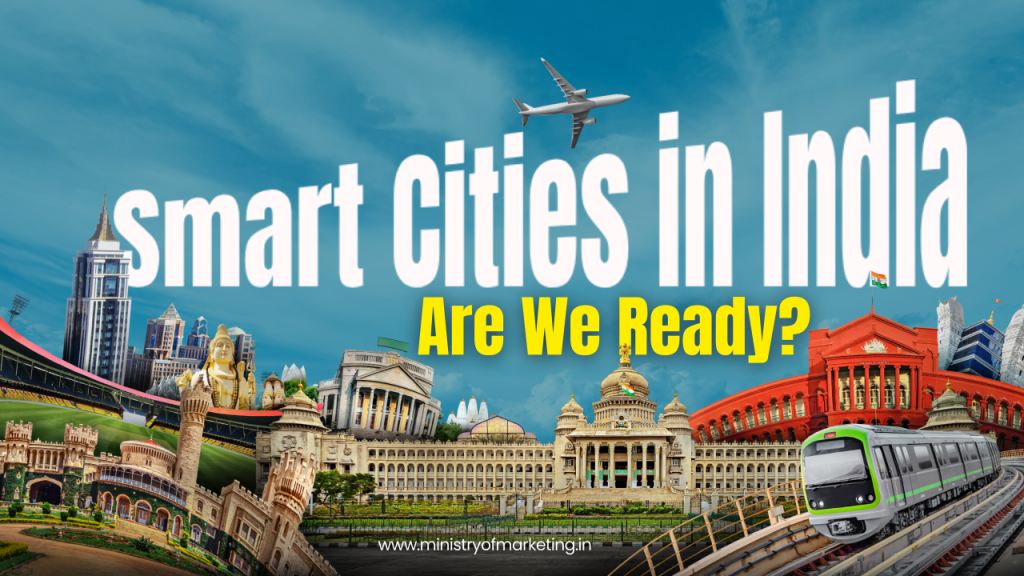
Smart Urban Infrastructure Investments in Budget 2025 are shaping the future of OOH advertising in Indian smart cities
India’s urban landscape is entering a new phase of transformation. With Smart Urban Infrastructure Investments in Budget 2025, the government has reinforced its commitment to connected mobility, digital public assets, and future-ready cities. While these investments are primarily aimed at improving quality of life, they are also quietly redefining the future of OOH advertising in Indian smart cities.
As cities become smarter, outdoor advertising is evolving from static visibility into an integrated layer of urban communication. Consequently, infrastructure is no longer just a backdrop for OOH—it is becoming its biggest growth lever.
Understanding the Focus Keyphrase in Context
Smart Urban Infrastructure Investments in Budget 2025 refer to public spending and policy focus on smart transport systems, intelligent traffic management, digital public infrastructure, and urban connectivity.
For the OOH ecosystem, these investments directly influence:
-
Where people move
-
How long they dwell
-
What surfaces and screens exist
-
How data can optimise exposure
Therefore, infrastructure planning and media planning are becoming increasingly interconnected.
Smart Urban Infrastructure Investments in Budget 2025 and the Future of OOH Advertising in Indian Smart Cities
Industry experts agree that Budget 2025 marks a shift from city expansion to city optimisation. This transition has direct implications for outdoor media.
Instead of uncontrolled hoarding growth, smart cities are prioritising:
-
Digitally enabled street furniture
-
Integrated transport hubs
-
Intelligent signage systems
-
Public-private infrastructure partnerships
As a result, OOH advertising is becoming more embedded, regulated, and technology-driven.
Smart Transport Infrastructure: The Biggest Growth Engine
One of the strongest levers for OOH growth is smart transport infrastructure. Investments in metro rail, suburban rail, electric buses, multimodal hubs, and last-mile connectivity are expanding high-dwell environments.
Cities such as Mumbai, Delhi, Bengaluru, and Hyderabad are witnessing:
-
Larger interchange stations
-
Digitised platforms and concourses
-
Passenger information display systems
These spaces naturally support premium DOOH formats. Therefore, transport-led OOH is expected to outpace traditional roadside media growth.
Intelligent Traffic Systems and Predictable Dwell Time
Budget-led investments in intelligent traffic management systems are creating predictable congestion patterns and smoother flows.
For advertisers, this means:
-
Better estimation of dwell time
-
More reliable impression forecasting
-
Context-aware messaging opportunities
Smart signals, adaptive traffic lights, and monitored junctions allow OOH planners to align messaging with peak moments. Consequently, campaign effectiveness improves without increasing clutter.
Street Furniture as Media Infrastructure
Smart city projects increasingly treat street furniture as modular infrastructure. Bus shelters, kiosks, wayfinding units, EV charging points, and information panels are designed with digital integration in mind.
This design-first approach benefits OOH in three ways:
-
Cleaner urban aesthetics
-
Standardised, compliant media formats
-
Long-term media concessions instead of ad-hoc sites
As a result, street furniture advertising is emerging as one of the most stable and scalable OOH formats in smart cities.

Data-Enabled Cities and Smarter OOH Planning
Smart urban infrastructure generates data—on mobility, footfall, timing, and usage patterns. While privacy safeguards remain critical, aggregated insights are invaluable for media planning.
OOH strategies now benefit from:
-
Location intelligence
-
Time-based audience behaviour
-
Event-driven traffic spikes
Therefore, smart cities enable smarter OOH decisions, not just more screens.
Digital Public Infrastructure and DOOH Expansion
Budget 2025’s continued focus on digital public infrastructure supports DOOH expansion indirectly. Better connectivity, power reliability, and digital governance make it easier to deploy and manage digital screens.
As a result:
-
DOOH uptime improves
-
Centralised content management becomes feasible
-
Programmatic and dynamic messaging adoption accelerates
This infrastructure readiness positions Indian cities for the next phase of AI-led and programmatic OOH.
Public-Private Partnerships Redefining OOH Assets
Industry experts highlight that future OOH growth will increasingly come through public-private partnerships (PPPs). Municipal bodies are collaborating with private players to monetise infrastructure responsibly.
These partnerships ensure:
-
Safety and compliance
-
Revenue-sharing models for cities
-
Long-term media planning certainty
Consequently, OOH shifts from informal site trading to institutionalised urban media assets.
Reduced Clutter, Higher Value
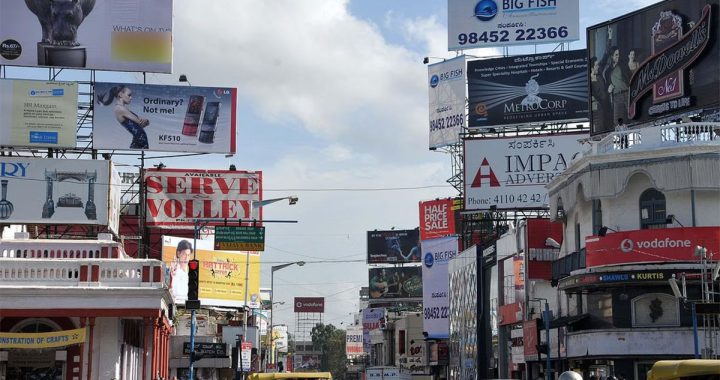
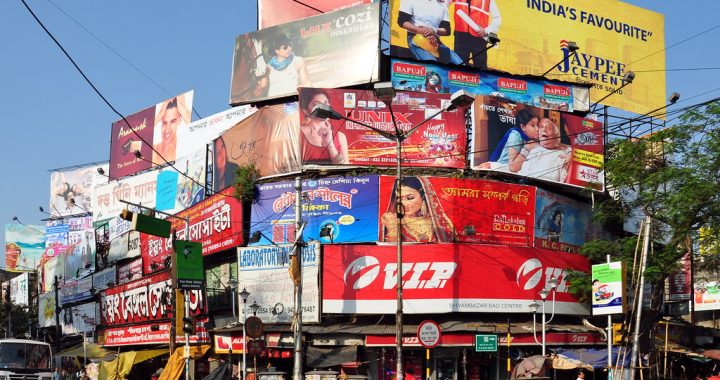
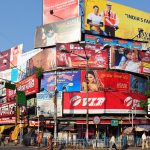
A key outcome of smart infrastructure investment is reduced visual clutter. Cities are actively removing illegal hoardings and replacing them with planned media zones.
While this reduces raw inventory, it increases value per site. Therefore, advertisers benefit from:
-
Higher attention density
-
Better brand recall
-
Improved public perception
Quality, not quantity, becomes the defining metric.
Industry Predictions: What Lies Ahead
Experts predict that over the next five years:
-
DOOH will dominate new OOH inventory in smart cities
-
Transport-linked media will attract the highest premiums
-
Data-driven planning will become standard
-
Compliance and safety will be non-negotiable
Brands that align early with smart city infrastructure will gain long-term advantages in visibility and credibility.

Implications for Brands and Media Planners
To capitalise on this shift, brands should:
-
Prioritise smart city assets over legacy hoardings
-
Align creatives with mobility-led moments
-
Plan longer-duration, infrastructure-linked campaigns
-
Integrate OOH into omnichannel data strategies
By doing so, OOH becomes a strategic layer—not just a tactical add-on.
Conclusion: Infrastructure Is the New Media Backbone
Smart Urban Infrastructure Investments in Budget 2025 are not just reshaping cities—they are redefining how brands communicate in public spaces.
The future of OOH advertising in Indian smart cities lies at the intersection of transport, technology, data, and design. As infrastructure becomes smarter, outdoor advertising becomes more accountable, more premium, and more powerful.
In the next decade, the most effective OOH campaigns will not simply occupy space. They will integrate seamlessly into the city’s intelligence.