








Social Commerce 2.0: Turning Engagement Into Direct Conversions
5 min read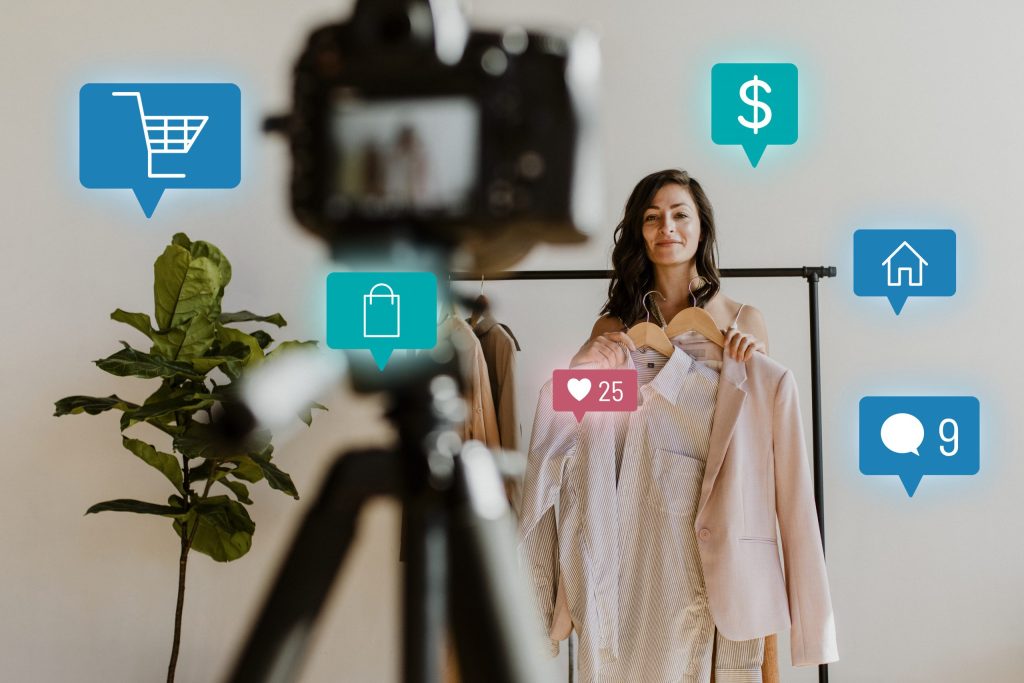
Discover how Social Commerce 2.0 turns social engagement into seamless conversions through creator-led commerce.
A decade ago, social media was simply a space for conversations, content sharing, and brand storytelling. Today, it’s a full-fledged commerce ecosystem — where discovery, engagement, and purchase happen in one seamless journey.
Welcome to Social Commerce 2.0 — the next evolution in digital retail, where likes, shares, and comments turn directly into conversions.
Driven by AI personalization, influencer authenticity, and platform-native checkout systems, social commerce 2.0 represents the convergence of content and commerce. It’s no longer about social media driving sales; it’s about social media being the store.
The Evolution: From Social Media to Social Commerce
Social Commerce 1.0 focused on product discovery. Users found new products through brand pages, influencer promotions, or tagged posts — but had to leave the app to make purchases.
Social Commerce 2.0 eliminates that friction. Platforms like Instagram, Facebook, TikTok, YouTube, and Pinterest now integrate native shopping experiences — allowing users to browse, compare, and buy instantly without exiting the app.
This integration has transformed how consumers shop and how brands strategize. Engagement is no longer a vanity metric — it’s the top of a direct revenue funnel.
Why Social Commerce 2.0 Matters Now
Global e-commerce has matured. Consumers no longer want to switch between multiple tabs or fill long forms to complete a purchase. They want instant gratification — inspired by content, guided by peers, and closed with a click.
That’s why social commerce sales are projected to surpass $1.2 trillion globally by 2025 (Accenture).
In India, this trend is accelerating faster than ever, fueled by regional creators, UPI adoption, and the rise of short-form video platforms like Moj, Josh, and YouTube Shorts.
For brands, this means that success on social platforms now depends not just on storytelling — but on shoppability.
The Core Pillars of Social Commerce 2.0
1. Seamless In-App Shopping Experiences
Social platforms are evolving into mini e-commerce ecosystems. Instagram Shops, Facebook Marketplace, and TikTok Shop let users explore catalogs, check prices, and make payments — all within a single app.
These features reduce drop-offs, making purchase journeys smoother. Brands can tag products directly in posts, stories, and reels, ensuring the moment of inspiration becomes a moment of transaction.

2. Creator-Led Commerce
The line between influencers and salespeople has blurred.
Creators are no longer just brand ambassadors — they’re sales enablers.
Through affiliate links, promo codes, or shoppable videos, creators drive measurable ROI while keeping authenticity intact.
This creator-driven model is especially effective because followers trust their recommendations more than brand ads.
In India, D2C brands like Nykaa, Boat, and Mamaearth are leveraging micro and nano influencers on Instagram, YouTube, and Josh to create authentic buying experiences. The combination of creator credibility + in-app checkout is redefining performance marketing.
3. Conversational and Live Commerce
Live commerce — a blend of entertainment and shopping — has become one of the fastest-growing segments in Asia.
Brands host live sessions with influencers or brand reps, demonstrating products, answering questions in real time, and offering exclusive deals. This transforms traditional e-commerce into an interactive, impulse-driven experience.
Platforms like YouTube Live, Instagram Live Shopping, and Amazon Live have shown that real-time engagement creates a powerful FOMO-driven conversion funnel.
In India, beauty and electronics categories are leading this trend, where instant interactivity drives instant sales.
4. Community Commerce
Social Commerce 2.0 thrives on communities, not campaigns.
Online groups, creator clubs, and interest-based circles amplify word-of-mouth sales.
When a product goes viral within a community — whether it’s a skincare brand recommended by a trusted beauty creator or a gadget endorsed in a tech group — the conversion rate skyrockets.
This community-first strategy turns social engagement into consistent sales momentum.
5. AI-Powered Personalization
AI is the invisible engine behind Social Commerce 2.0.
Algorithms now analyze user behavior, search patterns, and engagement data to recommend products tailored to individual preferences.
From personalized product feeds to dynamic pricing and predictive retargeting, AI ensures every shopper’s journey feels uniquely curated.
The result? Smarter discovery, faster decisions, higher conversions.
Social Commerce vs. Traditional E-Commerce
| Feature | Traditional E-Commerce | Social Commerce 2.0 |
|---|---|---|
| Platform Flow | Search → Product → Checkout | Content → Discovery → In-App Purchase |
| Conversion Driver | Discounts and search intent | Influence, emotion, and engagement |
| User Journey | Transactional | Conversational and community-based |
| Trust Source | Brand communication | Peer validation and creator endorsement |
| Purchase Speed | Multi-step | One-click within the app |
This shift illustrates how social commerce removes friction and aligns perfectly with consumer psychology — impulse, trust, and convenience.
Why Social Commerce 2.0 Outperforms Traditional Advertising
-
Authenticity Over Promotion
UGC and influencer content drive more trust than polished ad campaigns. Consumers buy from creators who use products, not actors who promote them. -
Data-Driven Targeting
Social commerce integrates directly with ad tech, allowing dynamic retargeting based on user engagement. -
Lower Funnel Integration
With in-app checkouts, social platforms now connect awareness, consideration, and conversion — all in one space. -
Higher ROI and Attribution
Every click, view, or engagement is traceable, making social commerce campaigns more accountable than traditional brand awareness campaigns.
Examples of Successful Social Commerce 2.0 Strategies
-
Nike integrates UGC and creator content with shoppable posts on Instagram, converting engagement into direct store sales.
-
Nykaa uses live shopping and influencer tutorials to boost seasonal sales, especially during festivals.
-
Zara and H&M integrate Instagram catalog shopping to let followers purchase instantly from visual content.
-
Amazon Live and Flipkart Video Commerce bring influencer-led demos straight into the purchase funnel.
These examples show that brands embracing content-driven commerce are achieving higher engagement, stronger retention, and superior conversion efficiency.
The Indian Market Advantage
India’s social commerce sector is expected to reach $70 billion by 2030, driven by smartphone penetration, digital payments (UPI), and vernacular content creation.
Platforms like Meesho, Trell, and GlowRoad have already democratized commerce for Tier-2 and Tier-3 audiences, allowing local sellers and creators to monetize communities directly.
Social commerce isn’t just an urban trend — it’s a grassroots digital revolution reshaping the country’s retail landscape.
How Brands Can Master Social Commerce 2.0
✅ 1. Integrate Shoppable Content
Use product tags and in-app purchase features to make every post a sales opportunity.
✅ 2. Partner with Authentic Creators
Micro and nano influencers drive high-intent traffic through relatable storytelling.
✅ 3. Leverage UGC and Reviews
Feature real customer experiences on product pages and ads to build social proof.
✅ 4. Use Live Shopping Strategically
Host limited-time sales, product demos, or influencer Q&As to create urgency.
✅ 5. Optimize for Mobile
Ensure frictionless mobile UX — since 80%+ of social commerce happens on smartphones.
✅ 6. Measure What Matters
Track engagement-to-conversion ratios, not just impressions. Focus on metrics like CPC, CTR, and conversion rate per creator.
The Future of Social Commerce 2.0
As AI and AR merge into social experiences, Social Commerce 3.0 is already on the horizon — where users will virtually “try before they buy.”
Imagine trying on sunglasses via Instagram filters or seeing how furniture looks in your home using AR before clicking “Buy Now.”
With the rise of metaverse shopping, influencer storefronts, and conversational bots, the boundary between social media and shopping will blur even further — creating a truly immersive, shoppable internet.
Conclusion
Social Commerce 2.0 marks a pivotal evolution in digital marketing — where content, community, and commerce converge seamlessly.
In this era, engagement is not just a metric; it’s a revenue driver. Every like can lead to a sale, every comment to a conversion, and every creator collaboration to measurable ROI.
Brands that master this integration — combining storytelling, technology, and trust — will dominate the new digital marketplace.
Because in the future of commerce, it’s not about where you advertise, but where your audience buys — and increasingly, that’s social media itself.