

Transit Media Advertising: Exploring Buses, Autos, and Metro Formats
3 min read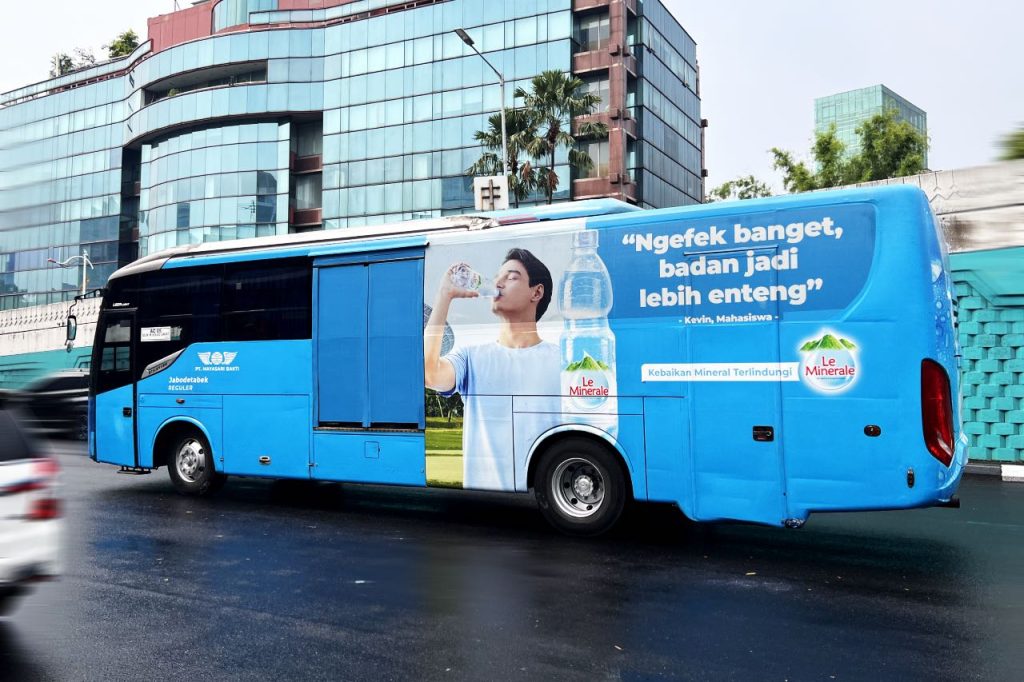
Transit Media Advertising
Transit Media Advertising uses transportation vehicles and infrastructure to deliver brand messages. This format captures the attention of commuters, tourists, and city dwellers who are often in a routine and receptive state. By leveraging buses, auto-rickshaws, and metro systems, brands can achieve high-frequency exposure and deep market penetration, making it a critical part of any urban marketing plan.
1. Buses: Mobile Billboards with Massive Reach
Buses are the quintessential form of transit advertising. They serve as large, mobile canvases that travel fixed routes, guaranteeing repeated exposure across vast geographic areas.
-
Format Flexibility: Buses offer multiple formats:
-
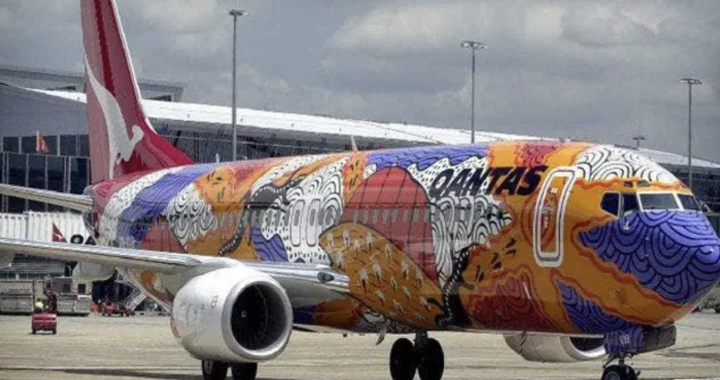
Full Wraps: The entire bus exterior is covered with the ad, creating a spectacular, high-impact mobile billboard.
-
King/Queen Sides: Large panels on the side of the bus.

-
Bus Backs: High-visibility space targeting drivers stuck in traffic directly behind the bus.
-
Interior Cards: Smaller, repetitive messages visible to captive passengers.
-
-
Key Advantage: Buses move through commercial, residential, and industrial zones, offering broad demographic coverage and high frequency along their routes. They are excellent for general brand awareness and product launches.
2. Auto-Rickshaws (Autos/Tuk-Tuks): Hyper-Local and High Frequency
In many Asian and developing urban markets, auto-rickshaws are an essential mode of transport, providing a unique, hyper-local advertising opportunity.
-
Visibility and Proximity: Autos operate primarily on inner-city, crowded streets and in congested lanes, where large billboards might not be visible. The ads are seen at eye-level by pedestrians, shopkeepers, and local residents.
-
Targeting: Brands can target specific micro-markets by selecting autos that ply certain routes or popular neighborhoods. For instance, a food delivery app could target autos around restaurant hubs.
-
Formats: The most common formats are the back panel (targeting traffic) and the full hood/roof wrap. Interior branding can also engage passengers during the ride.
3. Metro and Rail Systems: Captive Audiences and Deep Engagement
Metro, subway, and commuter rail systems offer advertising spaces where the audience is captive, concentrated, and often affluent.

-
Station Domination: Advertisers can buy up all ad space within an entire station—including walls, floors, pillars, and staircases. This creates a highly immersive and memorable brand experience, known as station domination.
-
In-Car Advertising: Passengers spend significant time inside the train. Interior posters, digital screens, and overhead panels offer a prolonged viewing opportunity. This is ideal for detailed messaging, educational content, or complex CTAs.
-
Digital Screens: Many modern metro systems use digital screens (Digital Out-of-Home or DOOH) on platforms and inside trains. This allows for dynamic content that can be updated in real-time, such as weather-triggered ads or time-of-day promotions.
-
Key Advantage: Metro users are often professionals and high-income earners, making this format perfect for premium brands and B2B services.
The Unifying Strategy: Frequency and Integration
The effectiveness of Transit Media Advertising comes from its ability to generate high reach and frequency—consumers see the same ad multiple times across their daily routine. For maximum impact, brands should:
-
Blend Formats: Use bus wraps for broad awareness and use metro station ads for deeper engagement and targeted messaging.
-
Integrate Digital: Incorporate QR codes or short web addresses on all transit ads to bridge the physical exposure with measurable online action, tracking conversions accurately.
By strategically deploying messages across these mobile and static transit platforms, brands can cut through the city noise and cement their identity in the consumer’s mind.