





Why Hyperlocal Advertising Works: Targeting the Audience That Matters
3 min read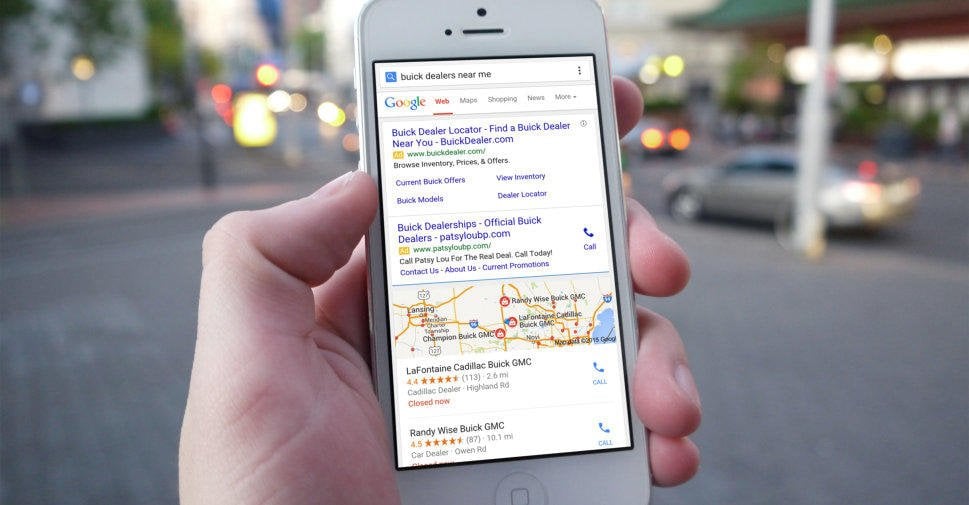
In today’s digital world, generic advertising often fails to cut through the noise. Hyperlocal Advertising solves this problem by focusing marketing efforts on a very specific, small geographic area, often within a few city blocks. This strategy moves beyond broad demographics to connect with consumers who are physically close to a business and ready to purchase. By prioritizing relevance and proximity, hyperlocal targeting delivers highly efficient ad spending and maximum impact.
1. The Power of Proximity and Intent

The core reason hyperlocal advertising works is simple: it targets consumers when they have the highest purchase intent.
-
“Near Me” Searches: Consumers actively seek local solutions. A search for “coffee near me” or “mechanic in [neighborhood name]” shows high immediate intent. Hyperlocal ads ensure your business appears first in these moments.
-
Reduced Friction: If a customer is within a one-mile radius, the physical effort required to visit the store is minimal. An ad offering a deal now, while they are close by, encourages immediate action. Proximity closes the loop between seeing the ad and walking into the store.
-
Contextual Relevance: The ad speaks directly to the consumer’s current location and needs. An umbrella ad shown only during rain in a specific area is far more effective than a general umbrella ad.
2. Deeper Customer Data and Personalization

Hyperlocal strategies allow for the collection and use of richer, more meaningful data than broad national campaigns.
-
Geo-Fencing: Brands can draw a virtual fence around a competitor’s store or a specific event location. Users entering that area receive targeted ads right away. This allows you to steal competitors’ customers or capture event attendees.
-
Neighborhood Identity: Hyperlocal marketing recognizes that every neighborhood has a unique character, income level, and set of preferences. By tailoring the message to reflect local landmarks or slang, the brand builds instant trust and local credibility.
-
Inventory and Time-Based Targeting: Ads can be triggered by precise local conditions. A restaurant can advertise its special only to people passing by between 5 PM and 7 PM, or a clothing store can advertise only items they currently have in stock at that specific location.
3. Efficiency and High Return on Investment (ROI)
For businesses that depend on foot traffic—like restaurants, local retailers, and service providers—hyperlocal advertising is the most cost-effective way to spend.
-
Eliminates Waste: You are not paying to advertise to millions of people who will never visit your physical store. The ad budget is laser-focused only on those who can realistically become a customer in the next hour.
-
Measurable Footfall: Advanced tools allow businesses to track how many people who were exposed to the ad in the targeted area actually walked into the physical store. This provides a clear, measurable return on ad spend (ROAS).
-
Supports Local Partners: For large national brands, hyperlocal strategies allow them to send traffic directly to specific franchise owners or retail partners, strengthening local business relationships.
The Unifying Strategy: Precision in Every Channel
Hyperlocal advertising works because it prioritizes relevance. This approach is crucial across all digital platforms:
-
Search Ads: Targeting searches only within a defined mile radius.
-
Social Media Ads: Using platform location features to target users who live or have recently visited a specific zip code.
-
Digital Out-of-Home (DOOH): Pairing digital billboard ads with mobile geo-fencing for maximum local impact.
By putting the customer’s immediate context first, Hyperlocal Advertising turns nearby potential customers into high-intent buyers, delivering an unparalleled level of effectiveness.
🔎 SEO Optimization
-
Suggested Focus Keyphrase:
-
Related Keywords (Comma Separated):
-
Suggested Meta Description (Max 120 Characters):