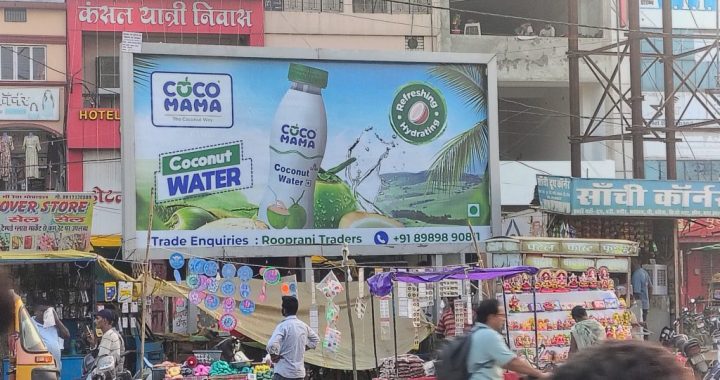









Why UGC (User-Generated Content) Outperforms Traditional Advertising
5 min read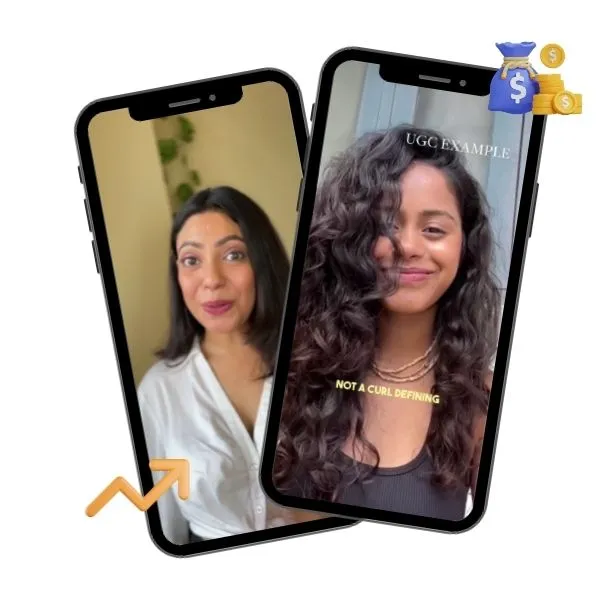
Learn how user-generated content builds trust, boosts engagement, and delivers higher ROI than traditional ads.
In an era where consumers scroll past hundreds of ads daily, traditional advertising struggles to make a genuine connection. People have grown skeptical of brand messaging that feels overly polished or sales-driven. Instead, audiences are turning toward something more relatable and trustworthy — User-Generated Content (UGC).
UGC includes photos, reviews, videos, testimonials, and social media posts created by real users rather than brands. And it’s not just a trend — it’s a marketing evolution.
Recent studies reveal that 79% of people say UGC highly impacts their purchasing decisions, while 92% trust recommendations from peers more than traditional ads. In short, authenticity is the new advertising currency — and UGC delivers it better than any brand campaign ever could.
From Brand Control to Community Voice
Traditional advertising has always been about control — brands crafting perfect messages and visuals to shape perceptions. But digital platforms have flipped the script.
Today, consumers own the narrative. With smartphones and social media, anyone can create, review, and share experiences about a product within seconds.
This shift has made UGC not just a creative outlet for consumers, but a powerful marketing engine for brands. Every photo, reel, or review acts as social proof — influencing others to try, trust, and buy.
Traditional ads may start conversations, but UGC sustains them.
Why UGC Outperforms Traditional Advertising
1. Authenticity Creates Trust
Consumers today crave honesty. They can spot staged or exaggerated brand claims from a mile away.
UGC, on the other hand, is raw, imperfect, and authentically human — which is exactly why it resonates. A selfie showing how a product actually fits, a customer sharing unfiltered feedback, or an honest review carries far more weight than a celebrity endorsement or brand slogan.
For example:
-
A local skincare brand reposting customer before-after photos drives more credibility than a glossy TV ad.
-
A food delivery platform sharing real customer experiences feels more genuine than a scripted commercial.
Authenticity is what makes people stop scrolling — and start believing.
2. Relatability and Emotional Connection
UGC represents real people living real experiences. It reflects diversity, emotion, and relatability — elements often missing in traditional ads.
When potential customers see someone “like them” using a product, it sparks a sense of familiarity. This emotional alignment influences purchase intent more strongly than creative perfection ever could.
Traditional ads speak at consumers; UGC speaks with them.
That dialogue builds relationships — not just recognition.
3. Higher Engagement and Reach
Algorithms love authenticity. Social media platforms prioritize posts that generate genuine interaction — comments, shares, saves — and UGC naturally drives these metrics.
According to research, UGC-based ads see 4x higher click-through rates and 50% lower cost per click (CPC) compared to traditional brand ads.
Why? Because people trust real experiences.
They tag friends, share posts, and start conversations — all of which expand reach organically.
A single user’s Instagram post about a great restaurant experience can spark dozens of visits, outperforming a paid campaign’s reach in both engagement and credibility.
4. Cost-Effective and Scalable
Traditional advertising can drain budgets — think production crews, scripts, actors, editing, and paid media. UGC, by contrast, is organic and community-driven.
Brands can source authentic, high-performing content from existing customers or micro-influencers at a fraction of the cost.
Plus, once created, UGC can be repurposed across multiple channels — from social media feeds and email newsletters to website banners and paid ads.
This scalability makes UGC one of the most efficient ROI drivers for modern marketers — maximizing impact without inflating costs.

5. Builds Brand Communities, Not Just Campaigns
UGC isn’t just content — it’s a conversation. When brands highlight user contributions, they turn customers into collaborators.
This sense of inclusion builds strong, loyal communities around the brand. For instance:
-
Starbucks’ #RedCupContest turned holiday cups into a viral customer movement.
-
Airbnb’s #MadePossibleByHosts celebrates real host stories, making the brand more human.
-
GoPro’s “Photo of the Day” UGC campaign turned users into global brand ambassadors.
By celebrating their audiences, these brands transformed marketing into shared storytelling — something traditional advertising rarely achieves.
6. Social Proof Drives Conversions
UGC acts as digital word-of-mouth. Before purchasing, consumers check reviews, watch user videos, and browse social posts for validation.
According to Nielsen, 84% of consumers trust online reviews as much as personal recommendations. That’s because social proof is psychologically persuasive — it signals reliability and safety.
Traditional ads tell consumers what to believe. UGC shows them why they should.
That simple difference makes it one of the most powerful conversion tools in modern marketing.
7. Performs Better Across Paid Channels
Ironically, UGC doesn’t just outperform organic campaigns — it’s also highly effective in paid advertising.
When integrated into Facebook, Instagram, or TikTok ads, UGC content typically delivers:
-
2–3x higher click-through rates (CTR)
-
Lower CPCs and CPAs (Cost Per Acquisition)
-
Better ad recall and engagement time
Because it looks native to the feed — real and unscripted — audiences don’t perceive it as intrusive. This makes UGC ads blend seamlessly into digital environments while outperforming polished creative formats.
UGC in the Indian Marketing Landscape
In India, the surge of regional creators and nano-influencers has made UGC even more impactful.
Platforms like Moj, Josh, ShareChat, and YouTube Shorts have democratized content creation, allowing everyday users from Tier-2 and Tier-3 cities to participate in brand storytelling.
Indian brands like Mamaearth, Swiggy, and Zomato have mastered UGC-led campaigns by encouraging customers to share real experiences.
-
Swiggy’s “What’s in Your Dabba?” challenge invited users to post lunchbox stories.
-
Zomato regularly reposts customer memes and tweets as part of its social branding.
-
Mamaearth’s customer video testimonials have become trust-building assets for new audiences.
The results? Viral visibility, regional relevance, and unmatched authenticity — things traditional advertising could never replicate at scale.

How Brands Can Leverage UGC Effectively
✅ 1. Encourage Content Creation
Launch hashtag challenges or community campaigns that invite customers to share stories, photos, or videos featuring your brand.
✅ 2. Showcase UGC Everywhere
Feature customer posts on your website, digital ads, and physical stores. It strengthens authenticity and reinforces trust across touchpoints.
✅ 3. Collaborate with Micro & Nano Creators
Smaller creators generate more relatable UGC with higher engagement rates. Their communities trust them deeply — the perfect environment for genuine storytelling.
✅ 4. Reward Participation
Recognize top contributors through discounts, shoutouts, or brand collaborations. Rewarding users builds advocacy loops.
✅ 5. Monitor Quality and Permissions
Always request content usage rights before reposting. Maintain brand tone while preserving the creator’s authenticity.
Conclusion
Traditional advertising once ruled marketing — but today, the most persuasive stories come from the people, not the brand.
UGC has proven that authentic voices outperform curated messages. It drives stronger trust, higher engagement, better conversions, and lasting loyalty — all while reducing costs and amplifying creativity.
In a world where audiences crave connection over promotion, brands that empower their communities to speak will always win.
Because when consumers become creators, your marketing becomes unstoppable.