
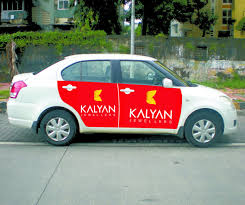
Reaching the Right Audience Through Ola and Uber Advertising Campaigns
In India’s fast-paced metros, audiences are constantly on the move — from home to office, malls to airports, and everywhere in between. To keep up with this mobility, brands are turning to Ola and Uber advertising — a form of smart, geo-targeted cab branding that reaches consumers where they actually spend their time.
Unlike static hoardings or print ads, app-based taxi branding combines the physical reach of outdoor advertising with the precision of location-based marketing. Here’s how brands can leverage it to reach the right audience — at the right place and time.
1. Geo-Targeting: The Core Strength of Ola & Uber Advertising
Every Ola and Uber vehicle is GPS-enabled, allowing advertisers to plan campaigns based on city zones, routes, and demographics. This turns traditional OOH into a data-driven outdoor strategy.
For example:
- A fintech or BFSI brand can focus on cabs operating around business districts, corporate hubs, and financial centers.
- A QSR or food delivery brand can target college zones, nightlife areas, or malls.
- A travel or airline brand can prioritize routes near airports and railway stations.
By using GPS data and fleet mapping, brands can geo-fence their campaigns, ensuring their message is seen where their target consumers live, work, and relax.

2. Audience Segmentation Made Simple
App-based taxi fleets operate across diverse audience clusters — professionals, students, tourists, and families. This makes them ideal for audience segmentation and niche marketing.
Common segmentation opportunities:
- Working Professionals: Target peak commute routes between residential neighborhoods and business districts (e.g., Whitefield to MG Road in Bengaluru).
- Shoppers & Leisure Seekers: Focus on cabs frequenting malls, cafés, and entertainment hubs.
- Students & Young Adults: Deploy branding around university zones or hostels for youth-centric products.
- Travelers: Prioritize fleets running between city centers and airports for premium lifestyle or travel brands.
Each segment can be targeted with custom creatives and offers, maximizing engagement through contextually relevant messaging.
3. Micro-Market Customization
Ola and Uber fleets can be distributed strategically across micro-markets within a city. For instance, a brand might deploy:
- 50 cabs in South Delhi for upscale audiences,
- 30 in Gurugram’s corporate corridor, and
- 20 in Noida’s residential clusters.
This granular control helps advertisers balance reach and frequency while optimizing costs — delivering hyperlocal impact within a citywide framework.
4. Layering Digital Integration
Ola and Uber advertising doesn’t stop at car wraps. Brands can extend campaigns through in-app and in-cab integrations —
- QR codes on doors linking to offers or downloads,
- Seatback flyers promoting nearby stores,
- LED screens playing branded content during rides.
This blend of offline visibility and digital engagement enhances audience targeting by creating actionable touchpoints right where attention is highest — inside the cab or at curbside.
5. Real-Time Tracking and Analytics
One of the biggest advantages of app-based fleet advertising is measurability. With GPS-based tracking and route analytics, advertisers can monitor:
- Coverage across specific zones
- Number of daily impressions
- Route heatmaps showing brand exposure concentration
This allows for real-time optimization, reallocating cabs to areas showing better audience response — ensuring data-backed ROI for every campaign.
6. Cost Efficiency with Precision
Unlike static OOH that demands heavy rentals for limited footprints, Ola and Uber branding campaigns are flexible and scalable. You can start with a few dozen cars in high-value zones, test performance, and scale up as needed — achieving citywide visibility with controlled spend.
Mobility Meets Precision
Ola and Uber advertising represents the next generation of outdoor marketing — one that merges mobility, technology, and targeting precision.

For brands that want to connect directly with urban audiences, cab branding offers the perfect balance: real-world visibility backed by location intelligence. It’s how modern campaigns turn every ride into an opportunity — and every route into a brand journey.