Outdoor advertising continues to be one of the most powerful mediums for building mass awareness and brand recall. However, in a data-driven marketing environment, advertisers increasingly ask an important question: How can outdoor advertising effectiveness be evaluated before, during, and after a campaign?
Evaluating outdoor advertising effectiveness helps brands justify media investments, optimize placements, and improve future strategies. Moreover, when measurement is planned systematically, outdoor campaigns become more accountable and performance-oriented.
Evaluating Outdoor Advertising Effectiveness Before a Campaign
Before launching an outdoor campaign, evaluation begins with strategic planning and baseline analysis. This phase ensures that objectives, locations, and creatives align with business goals.

Setting Clear Campaign Objectives
The first step is defining what success looks like. Objectives may include brand awareness, store footfall, website visits, or product launches. When goals are clearly defined, effectiveness becomes easier to measure later.
Additionally, brands should identify key performance indicators (KPIs) such as reach, frequency, impressions, or brand recall. These metrics provide a structured evaluation framework.
Audience and Location Analysis
Location selection plays a crucial role in outdoor advertising success. High-traffic areas, commuter routes, commercial hubs, and residential zones are evaluated based on audience relevance.
Traffic data, pedestrian movement, and demographic insights help predict visibility. As a result, advertisers can estimate potential impressions even before the campaign goes live.
Creative Testing and Benchmarking
Creative quality directly impacts outdoor advertising effectiveness. Pre-testing creatives through focus groups or digital mockups helps assess visibility, readability, and message clarity.
At the same time, brands should establish benchmarks using historical campaign data or category averages. These benchmarks act as reference points for performance comparison later.
Measuring Outdoor Advertising Effectiveness During a Campaign
Once the campaign is live, real-time monitoring becomes essential. This phase focuses on tracking exposure, engagement, and mid-course corrections.
Monitoring Visibility and Exposure
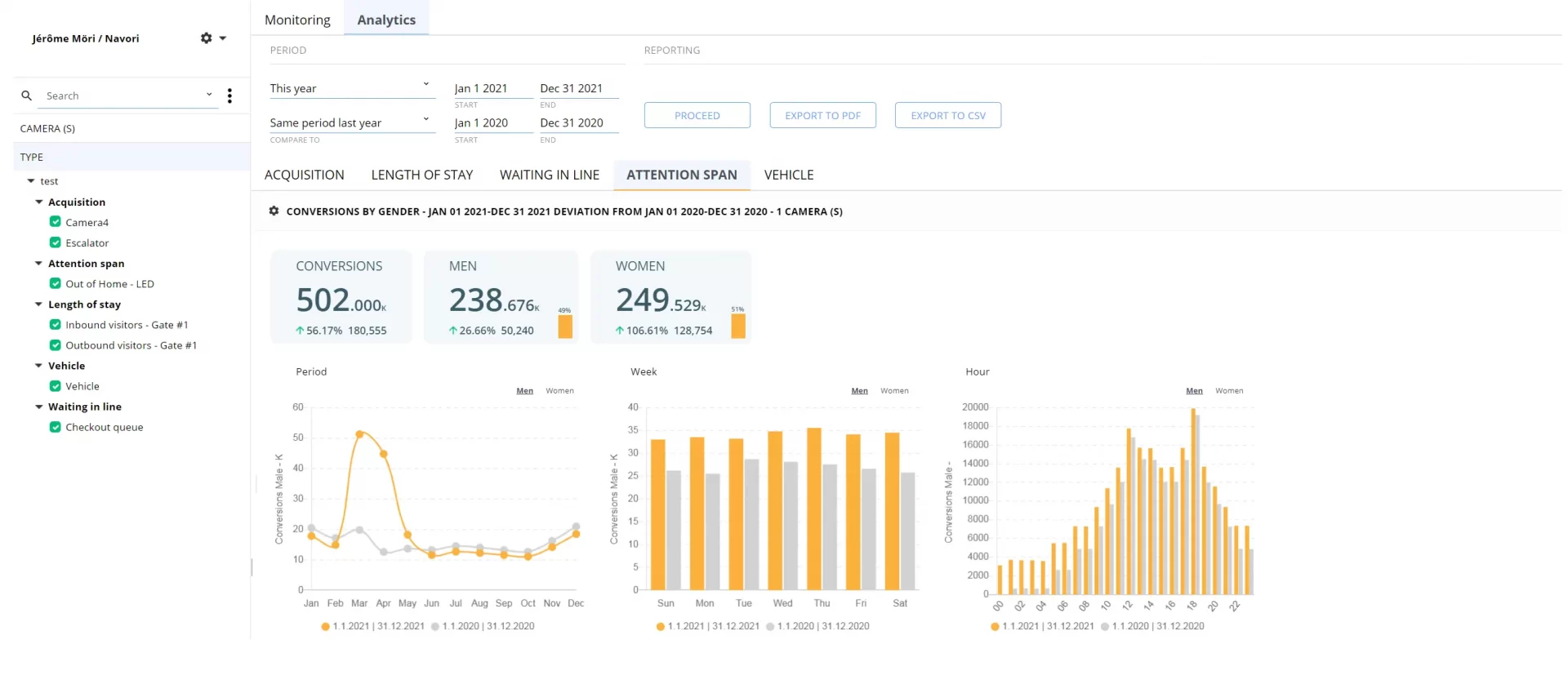
During the campaign, outdoor advertising effectiveness is measured through estimated impressions, traffic counts, and dwell time. Digital out-of-home (DOOH) screens provide more dynamic data such as play frequency and time-based exposure.
Furthermore, geofencing technology allows advertisers to track mobile users who pass by outdoor sites. This approach connects physical exposure with digital engagement.
Tracking Engagement and Response
Engagement metrics help determine whether audiences are acting on the message. QR code scans, website traffic spikes, app downloads, and social media mentions offer valuable insights.
Moreover, brands can monitor branded search volume during the campaign period. A noticeable increase often indicates strong outdoor campaign impact.
Optimizing Campaign Performance
Real-time insights allow advertisers to optimize placements or creatives. For example, underperforming locations can be replaced, or creatives can be refreshed to maintain attention.
Therefore, ongoing evaluation ensures that outdoor advertising remains effective throughout the campaign duration.

Evaluating Outdoor Advertising Effectiveness After a Campaign
Post-campaign analysis provides a comprehensive view of results and return on investment. This stage is crucial for learning and future planning.
Post-Campaign Brand Lift Studies
Brand lift studies measure changes in awareness, recall, consideration, and purchase intent. Surveys conducted before and after the campaign help quantify impact.
These studies clearly show whether outdoor advertising achieved its branding objectives.
Sales and Footfall Analysis
For retail-focused campaigns, sales data and store footfall trends are analyzed. An increase during or after the campaign period indicates positive effectiveness.
Additionally, location-based analytics can link outdoor exposure to in-store visits, strengthening attribution confidence.
ROI and Attribution Assessment
Return on investment (ROI) is evaluated by comparing campaign costs with measurable outcomes such as leads, sales, or conversions.
Advanced attribution models now connect offline exposure with online actions. As a result, outdoor advertising effectiveness becomes more transparent and data-backed.
Key Tools and Metrics Used in Outdoor Advertising Evaluation
Several tools support measurement across all stages:
-
Traffic and audience measurement systems
-
Geofencing and mobile location analytics
-
Brand lift and recall surveys
-
Sales and web analytics dashboards
Together, these tools create a holistic evaluation ecosystem.
Conclusion: Making Outdoor Advertising Measurable and Accountable
Understanding how outdoor advertising effectiveness can be evaluated before, during, and after a campaign empowers brands to make smarter media decisions. When planning, monitoring, and analysis work together, outdoor advertising transforms from a visibility medium into a measurable performance channel.
Ultimately, brands that invest in structured evaluation frameworks achieve stronger impact, better ROI, and continuous improvement in outdoor advertising strategies.