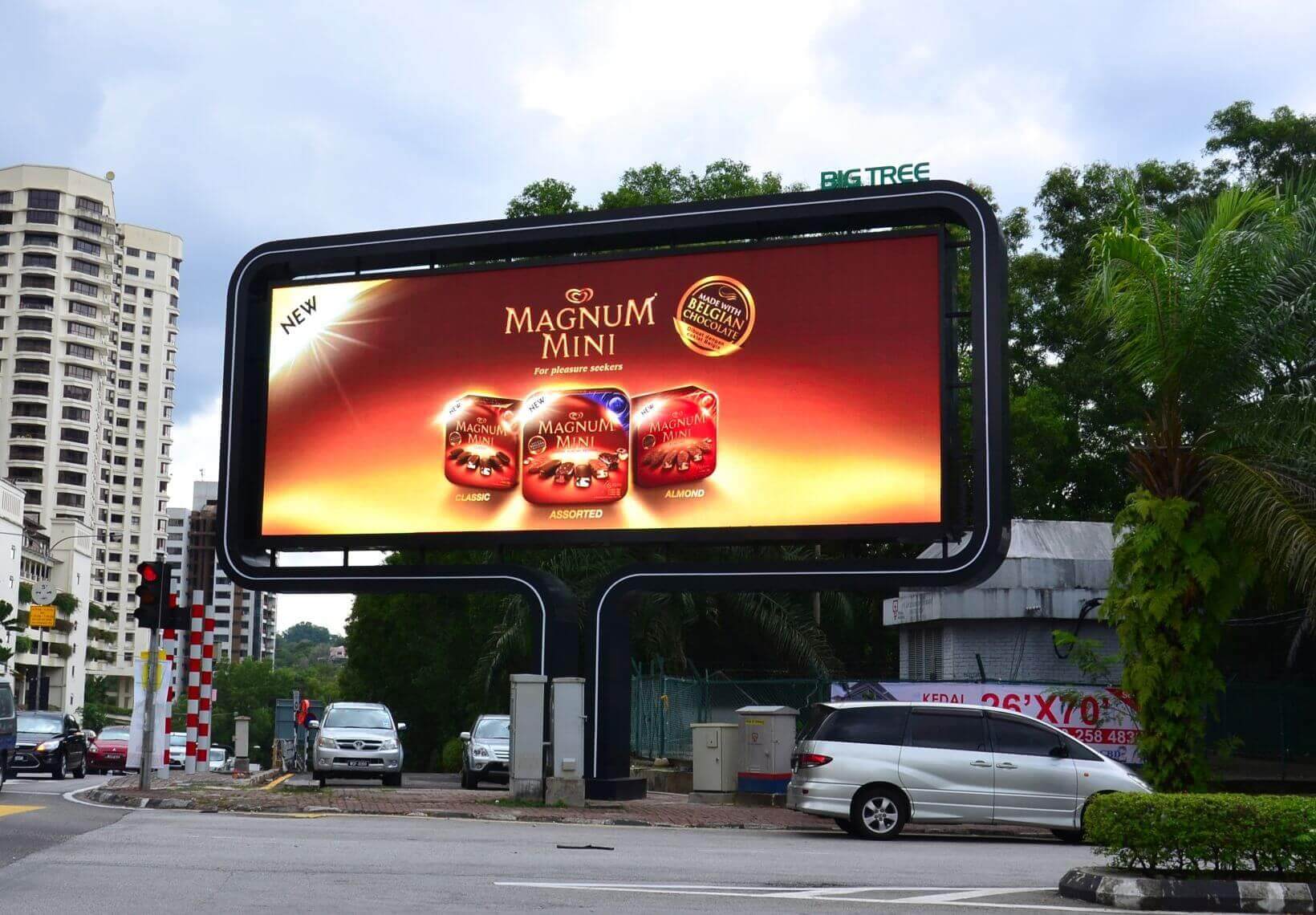
Billboard advertising remains one of the most effective channels for mass visibility and city-level dominance. However, unlike digital media that can be activated instantly, outdoor campaigns require structured planning and multiple approvals. This makes understanding the typical timeline and lead times needed for booking billboard inventory essential for marketers and agencies.
Without adequate lead time, brands risk losing premium locations, facing regulatory delays, or missing key campaign dates. Therefore, timeline planning is a critical component of successful OOH execution.
Why Billboard Booking Requires Advance Planning
Billboards operate within regulated public spaces and involve coordination between several stakeholders, including media owners, municipal authorities, printers, and installation teams.
Because inventory is limited and location-specific, high-demand sites are often booked well in advance. Early planning ensures better site availability, competitive pricing, and smoother approvals.
Standard Billboard Booking Timeline Overview
A typical outdoor advertising campaign follows these stages:
| Stage | Estimated Time |
|---|---|
| Media planning & site finalisation | 3–5 days |
| Availability check & site blocking | 2–3 days |
| Artwork design & adaptation | 3–5 days |
| Authority approvals | 5–15 days |
| Printing & fabrication | 2–4 days |
| Installation | 1–2 days |
Total average timeline: 15–30 days, depending on city, format, and season.
Lead Times Based on Billboard Type
Standard Static Hoardings
Most roadside hoardings require 15–20 days of advance planning, including approvals and printing.
Premium and Landmark Locations
Billboards located at arterial roads, business districts, airports routes, and major junctions usually need 30–45 days lead time, especially in metro cities.
Large-Format or Custom Structures
Custom installations or large-format billboards may require 35–60 days, as they involve additional structural approvals and fabrication.
City-Wise Variations in Lead Time
Lead times differ significantly across Indian cities:
-
Metro cities (Delhi, Mumbai, Bengaluru, Chennai): stricter regulations and higher demand
-
Tier-1 cities: moderate approval timelines
-
Tier-2 and Tier-3 cities: faster availability and approvals
As a result, national campaigns must plan city-wise timelines rather than following a single uniform schedule.
Role of Regulatory Approvals
Municipal approvals often consume the largest share of time. These may include:
-
Location permissions
-
Structural safety certificates
-
Content approvals
-
Traffic police NOCs (in select zones)
Approval timelines typically range from 5 to 15 working days, but may extend during holidays or election periods.
Artwork Finalisation Timeline

Outdoor creatives must comply with size, content, and visibility guidelines.
Brands should allocate:
-
3–5 days for creative development
-
1–2 days for internal approvals
-
1–2 days for media owner or authority checks
Late artwork submission is one of the most common causes of campaign delays.
Printing and Installation Lead Time
Once approvals are received:
-
Flex printing: 1–2 days
-
Large-format fabrication: up to 4 days
-
Installation: typically completed within 24–48 hours
Night installations and weather conditions can influence timelines.
Peak Season and High-Demand Periods
During peak advertising seasons such as:
-
Festive months
-
Year-end campaigns
-
Election periods
-
Major product launches
Inventory availability becomes limited. In such cases, brands should block billboards 45–60 days in advance.
Early booking also helps lock preferred locations and pricing.
Short-Term vs Long-Term Campaign Planning
Short-Term Campaigns (7–14 days)
-
Minimum recommended lead time: 10–15 days
-
Limited location options
-
Higher risk of unavailability
Long-Term Campaigns (30–90 days)

-
Recommended lead time: 20–30 days
-
Better negotiation leverage
-
Higher visibility consistency
Best Practices for Managing Billboard Timelines
To ensure smooth execution, brands should:
-
Finalise campaign dates early
-
Prioritise high-impact locations first
-
Keep artwork ready before approval submission
-
Work only with authorised media owners
-
Build buffer days into launch schedules
These practices significantly reduce last-minute risks.
Common Causes of Timeline Delays
-
Late creative approvals
-
Incomplete documentation
-
Authority holidays or elections
-
Weather-related installation issues
-
Inventory conflicts with existing campaigns
Advance planning helps mitigate these challenges.
Conclusion
Understanding the timeline and lead times needed for booking billboard inventory allows marketers to plan campaigns efficiently and secure premium visibility.
In most Indian markets, brands should plan billboard campaigns at least 3–4 weeks in advance, with longer lead times for premium locations and peak seasons. Ultimately, early preparation ensures smoother execution, stronger impact, and better campaign outcomes.