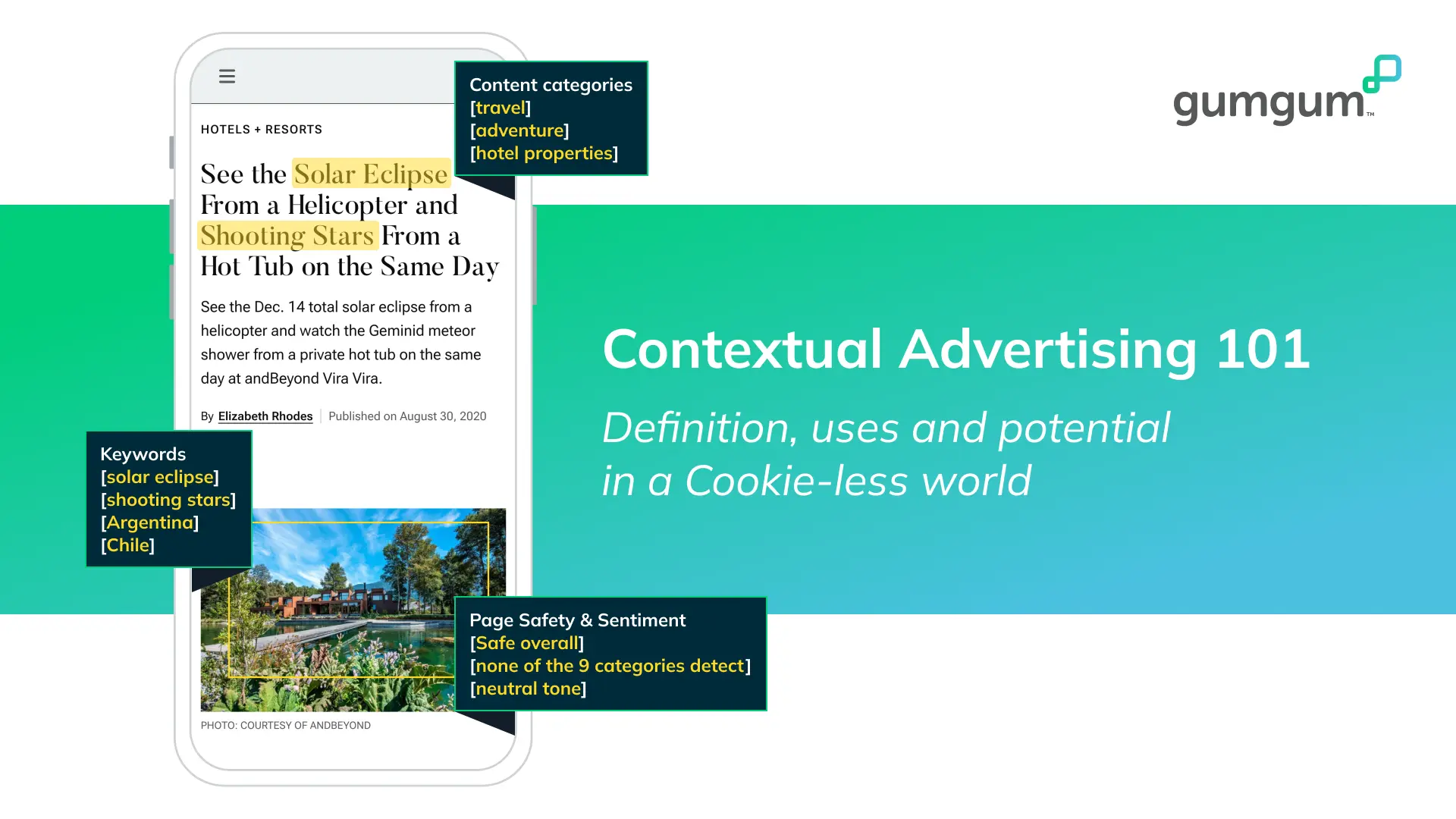
As data privacy regulations tighten and third-party cookies phase out, marketers are rapidly rethinking how they reach audiences. Cookieless Advertising Media Options and Privacy-First Targeting Strategies have therefore become central to modern media planning. Instead of relying on invasive tracking, brands now focus on consent-led, transparent, and value-driven targeting approaches. Consequently, privacy-first advertising is no longer a compliance exercise—it is a strategic advantage.
Why Third-Party Cookies Are Being Phased Out
Third-party cookies once powered audience tracking, retargeting, and attribution across the web. However, increasing consumer awareness and regulations like GDPR and India’s evolving data protection framework have changed expectations. As a result, browsers and platforms are limiting or eliminating third-party cookies.
Therefore, brands must adopt cookieless media options that respect user privacy while still delivering performance. This shift encourages smarter targeting based on context, intent, and first-party relationships.
Key Cookieless Advertising Media Options
1. Contextual Advertising
Contextual advertising targets users based on the content they are consuming rather than who they are. For example, an insurance brand advertising on finance or health-related articles reaches relevant audiences without tracking personal data. As a result, relevance stays high while privacy remains intact.
Moreover, advances in AI now allow contextual ads to analyze sentiment, keywords, and page meaning. Consequently, contextual targeting has evolved far beyond simple keyword matching.
2. First-Party Data Activation
First-party data includes information collected directly from customers through websites, apps, CRM systems, and subscriptions. Therefore, it becomes the backbone of cookieless advertising strategies.
Brands use first-party data to create audience segments, personalize messaging, and measure performance. Additionally, consent-based data collection builds trust. As a result, engagement and conversion rates improve over time.
3. Publisher-Based Audience Targeting
Premium publishers now offer their own audience segments based on logged-in users and content consumption behavior. These segments operate within privacy-compliant environments. Consequently, advertisers access high-quality audiences without individual-level tracking.
Furthermore, publisher ecosystems support scale while maintaining brand-safe environments. Therefore, this option works well for both awareness and consideration campaigns.
4. Cohort and Interest-Based Targeting
Instead of targeting individuals, cohort-based advertising groups users with similar interests or behaviors. Ads are then served to the group rather than a specific person. As a result, anonymity is preserved while relevance remains strong.
Interest-based targeting on platforms and apps also follows this principle. Hence, brands still reach likely buyers without violating privacy norms.
5. Content-Led and Native Advertising
Native advertising and sponsored content thrive in a cookieless world. These formats rely on storytelling and contextual relevance rather than tracking. Therefore, they perform well even without behavioral data.

Additionally, content-led campaigns drive longer engagement times. As a result, brand recall and trust increase naturally.
Privacy-First Targeting Strategies Brands Should Adopt
Focus on Value Exchange
Brands must clearly communicate why data is being collected and what users gain in return. For instance, exclusive content, personalized offers, or early access encourage voluntary data sharing. Consequently, consent rates improve.
Strengthen Owned Media Channels
Email newsletters, mobile apps, and brand communities become critical in privacy-first strategies. These channels rely on direct relationships rather than third-party data. Therefore, brands gain long-term audience access.
Redefine Measurement and Attribution
Without cookies, marketers shift toward aggregated reporting, modeled conversions, and media mix modeling. As a result, performance is measured holistically rather than user-by-user. This approach aligns better with privacy-first principles.
Benefits of Cookieless and Privacy-First Advertising
Firstly, consumer trust increases when brands respect privacy. Secondly, media wastage reduces because targeting relies on relevance rather than excessive tracking. Moreover, regulatory risks decline significantly. Therefore, cookieless strategies support sustainable growth.
Additionally, brands that adapt early gain a competitive edge. As the ecosystem evolves, these advertisers are better prepared for future changes.
Conclusion: Building Sustainable Reach Without Cookies
In conclusion, Cookieless Advertising Media Options and Privacy-First Targeting Strategies redefine how brands connect with audiences. By focusing on context, first-party data, and content-driven engagement, marketers achieve meaningful reach without compromising privacy. Therefore, the future of digital advertising belongs to brands that balance performance with trust.