Outdoor advertising is far more than simply placing a message in a visible location. The success of an OOH campaign often depends on understanding how consumers think, behave, and interact with their surroundings. Every day, millions of people travel through cities, encountering numerous visual stimuli. Yet only a small percentage of these messages capture their attention and leave a lasting impression.
The psychology behind outdoor media exposure lies in understanding moments when consumers are most receptive to advertising. Traffic signals, bus shelters, railway stations, airports, metro platforms, and commercial districts all create environments where people naturally observe their surroundings. These locations provide ideal opportunities for brands to communicate effectively with audiences.
Why Traffic Signals Create Powerful Advertising Moments
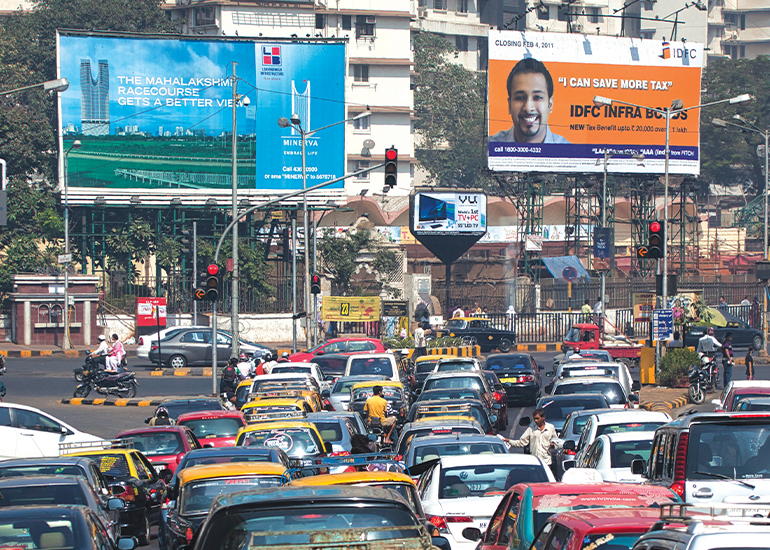
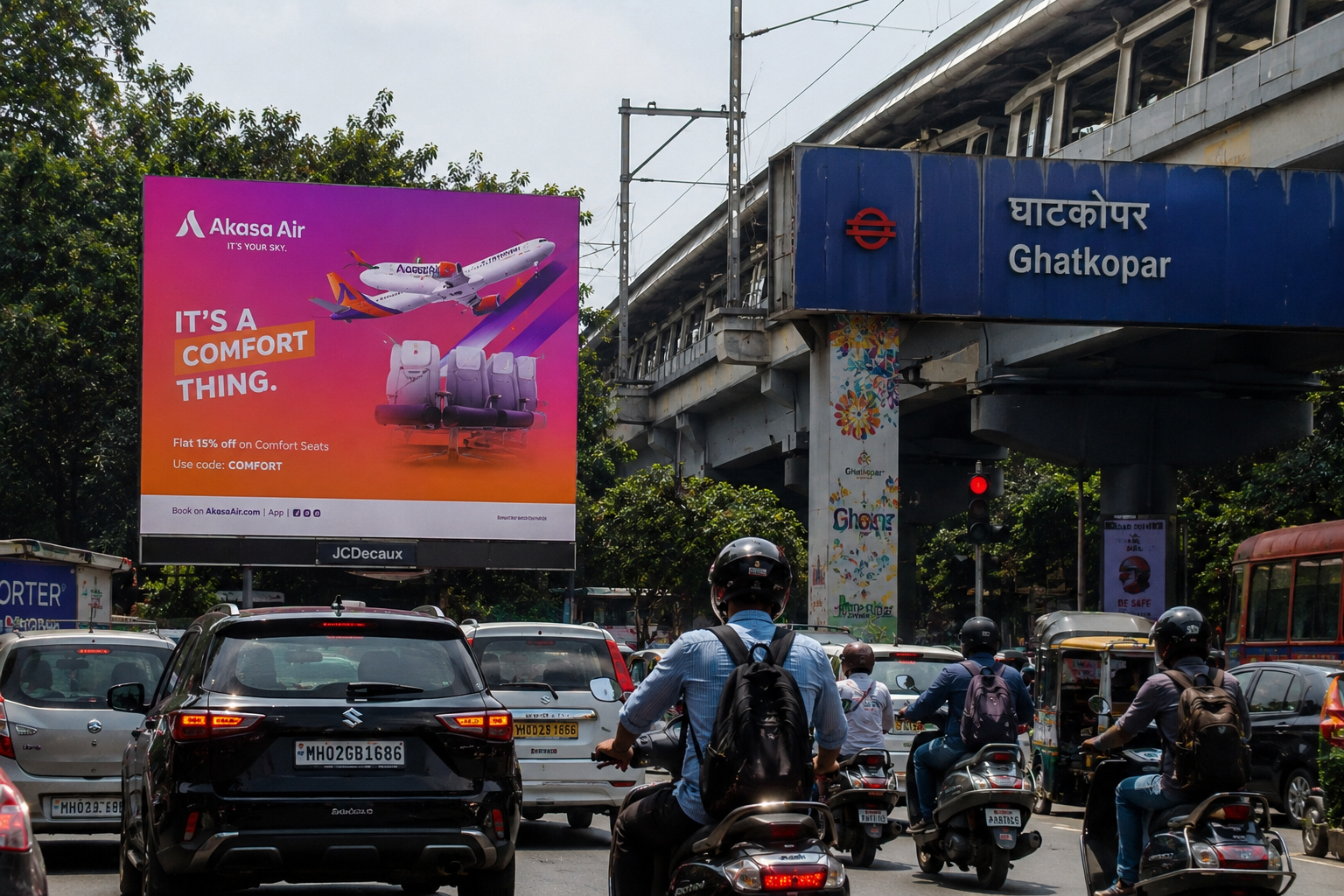
Traffic signals are among the most valuable locations in outdoor advertising. When vehicles come to a stop, drivers and passengers experience a temporary pause in their journey. During these moments, their attention often shifts toward nearby visual elements, including billboards, digital displays, and transit advertising.
Unlike fast-moving highway environments where exposure time is limited, signal intersections provide longer viewing durations. This increased dwell time allows consumers to absorb brand messages more effectively. Repeated exposure at daily commuting routes further strengthens familiarity and brand recall.
For advertisers, traffic signals represent a unique opportunity to engage audiences when distractions are relatively low and visibility is high.

The Influence of Transit Hubs on Consumer Behavior
Transit hubs such as metro stations, railway terminals, airports, and bus depots are equally important in the psychology of outdoor advertising. These environments attract large volumes of people who spend significant amounts of time waiting, walking, or navigating through public spaces.
Because consumers are often stationary for extended periods, transit hubs offer advertisers a valuable window for communication. Large-format displays, digital screens, platform branding, and experiential installations can capture attention and create memorable brand interactions.
Research consistently shows that longer exposure periods contribute to stronger message retention. Transit environments naturally provide these opportunities, making them highly effective for awareness-driven campaigns.