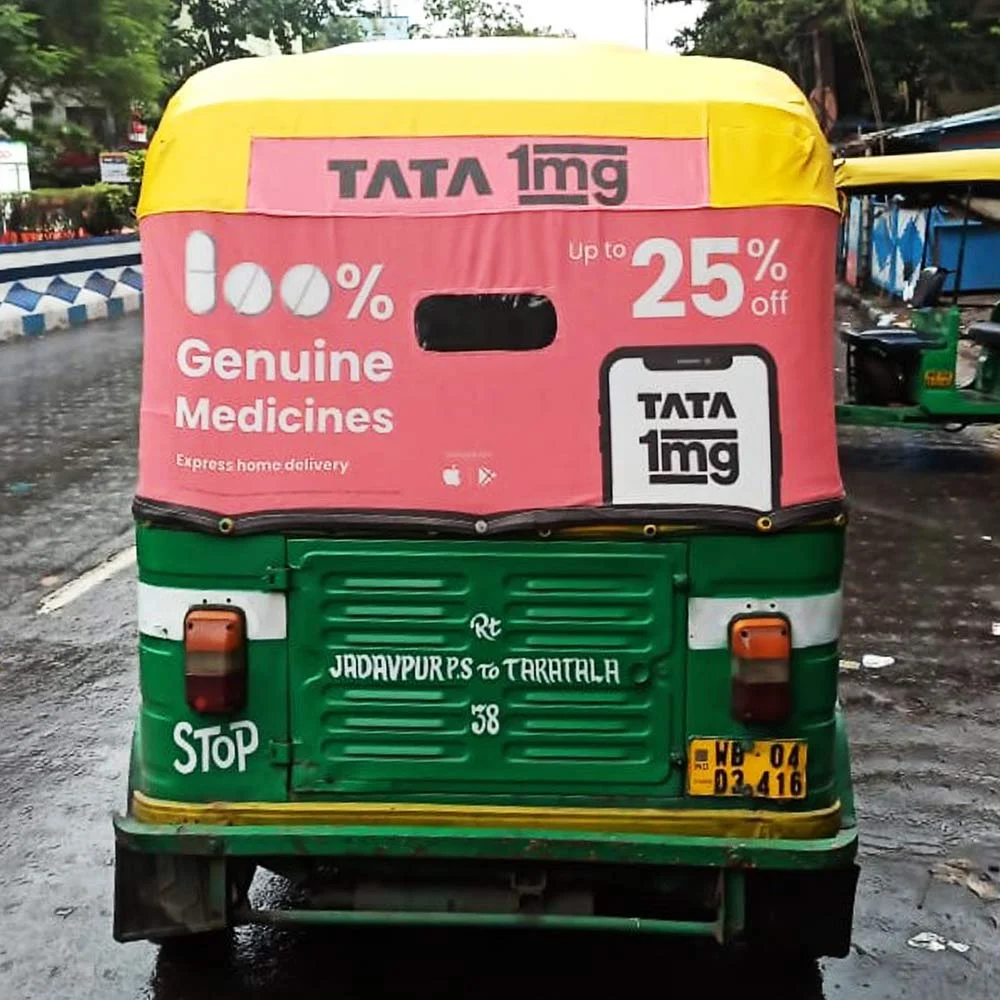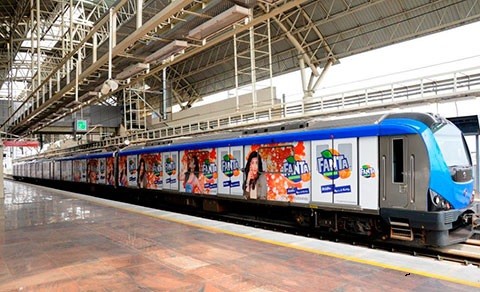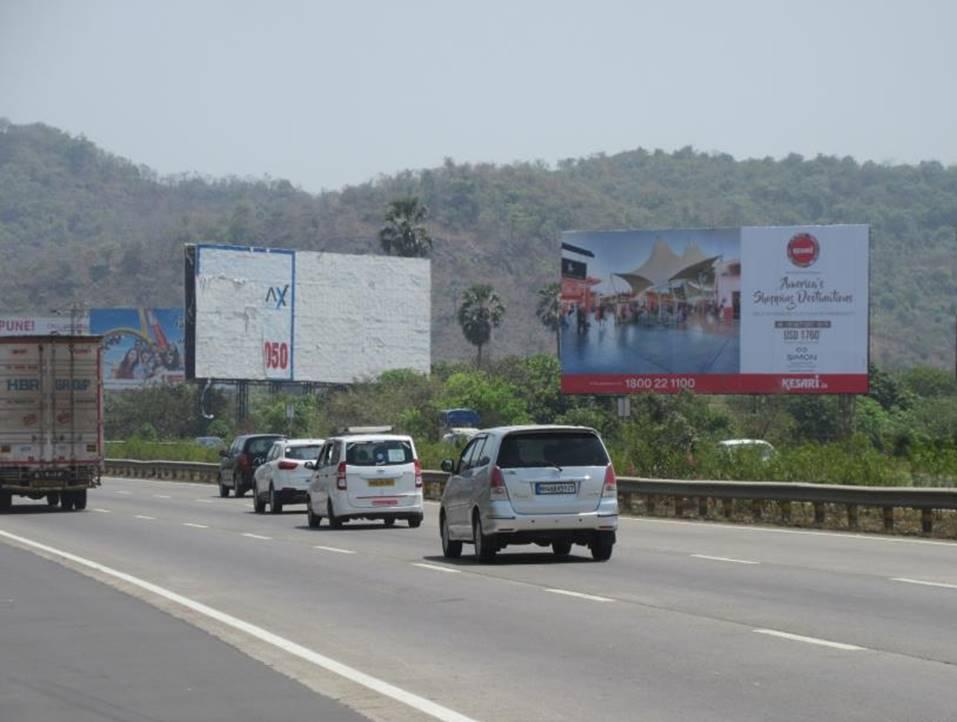
In an era dominated by digital marketing, many assume that traditional advertising channels have lost their relevance. Yet outdoor advertising continues to attract substantial investments from some of the world’s biggest brands. From towering billboards and transit branding to digital screens and airport media, Out-of-Home advertising remains a key component of modern marketing strategies.
The reason is simple: OOH advertising delivers value that extends far beyond impressions. It creates visibility, strengthens brand recall, enhances credibility, and reaches consumers in real-world environments where attention is often more focused. While digital campaigns can be skipped or ignored, outdoor advertising remains a constant presence within the consumer journey.
Why Brands Continue to Invest in OOH Media
The economics of outdoor advertising are built around long-term visibility and repeated exposure. A single billboard placed in a high-traffic location can generate millions of impressions over its campaign duration. Unlike online advertisements that disappear after a few seconds, outdoor media remains visible 24 hours a day, continuously reinforcing brand messaging.
This consistent exposure creates familiarity. Marketing research has repeatedly shown that consumers are more likely to trust and remember brands they encounter frequently. Outdoor advertising supports this principle by ensuring that messages are seen repeatedly throughout daily routines. Another economic advantage lies in audience scale. OOH campaigns can reach large and diverse groups of consumers simultaneously, making them highly efficient for awareness-building objectives.
The Cost Efficiency of High Visibility
Although premium outdoor media may appear expensive at first glance, its cost per impression is often highly competitive when compared with many other advertising channels. A strategically located billboard can reach thousands of consumers every day without requiring additional spending for each view.
Transit advertising, metro branding, airport media, and digital OOH further expand this reach by engaging audiences during travel and waiting periods. These environments often provide extended exposure times, allowing brands to communicate more effectively and increase message retention.As a result, many marketers view OOH not simply as an advertising expense but as a long-term investment in brand equity.