Metro advertising has emerged as one of the most powerful urban branding tools across India’s Tier-1 cities. Delhi, Mumbai, and Chennai—three of the busiest and longest metro networks—offer brands unmatched visibility, premium audiences, and high footfall impact. However, the cost of metro advertising varies widely based on multiple operational, geographic, and media-specific factors.
Understanding these cost factors helps marketers plan budgets smartly and choose formats that deliver maximum ROI. Below is a detailed breakdown of what influences metro advertising costs across Delhi, Mumbai, and Chennai.
1. Metro Network Size and Ridership Volume
Ridership is one of the biggest cost influencers.
-
Delhi Metro has the highest daily ridership, crossing 50+ lakh passengers.
-
Mumbai Metro covers key commercial and suburban corridors with rapidly growing footfall.
-
Chennai Metro has lower footfall but higher dwell time and a premium commuter profile.
Higher ridership generally drives higher pricing, especially at interchange stations and peak-time locations.
2. Station Category: Premium vs. Regular Stations
Metro stations are categorized based on location type:
-
Premium Stations (interchanges, business districts, airports, tourist hubs)
-
Higher commuter density
-
Higher dwell time
-
More eyeball potential
-
Higher advertising rates
-
Examples:
-
Delhi: Rajiv Chowk, Kashmere Gate, Hauz Khas
-
Mumbai: Ghatkopar, Andheri, Western Express stations
-
Chennai: Central, Airport, Thirumangalam
-
Regular Stations located in residential areas or low-density zones are more affordable.

3. Advertising Format Selection
Metro advertising offers multiple formats, each with a different cost structure:
Inside-Train Formats
-
Train interior panels
-
Grab handle branding
-
Seat-back branding
-
Digital screens inside coaches
-
Full interior wraps
These formats have high frequency but limited inventory, so costs are moderate to premium.
Station Formats
-
Static billboards
-
Backlit panels
-
Pillar branding
-
Escalator panels
-
Lift branding
-
Staircase graphics
-
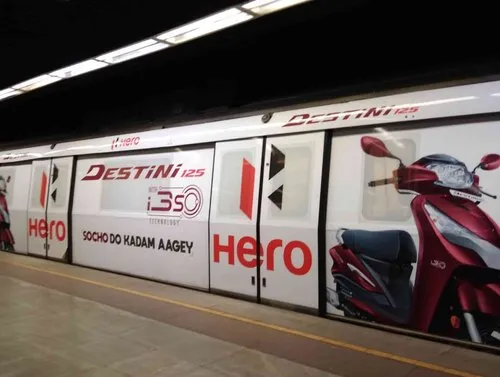
Platform screen doors (Delhi)
-
LED/digital screens (DOOH)
Larger formats with high visibility cost more.
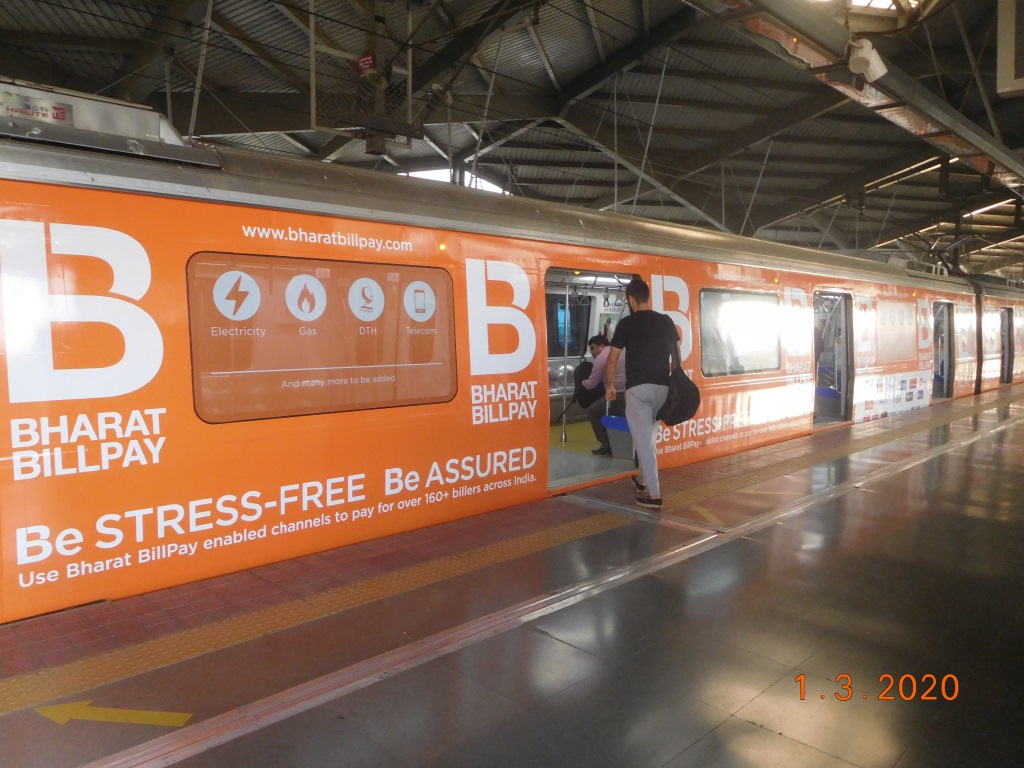
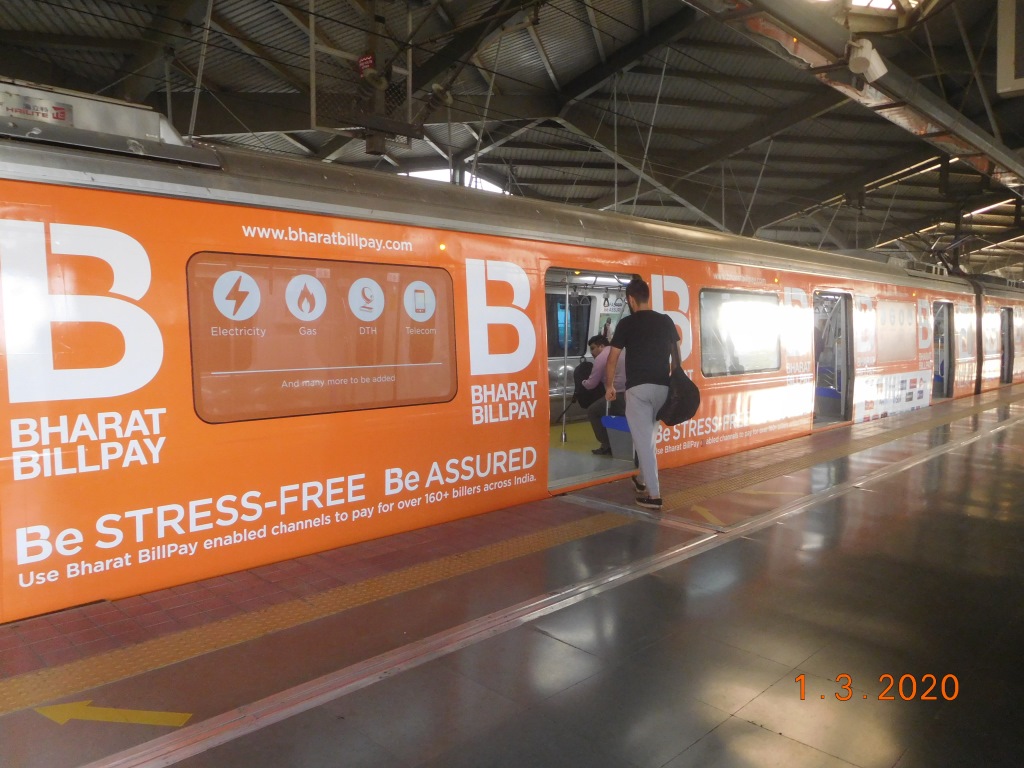
Full Wraps / Train Domination
-
Exterior train wraps
-
Station domination packages
These are high-value, high-impact formats with premium pricing.
4. Duration of the Campaign
Metro media pricing differs based on duration:
-
Short-term campaigns (1–2 weeks): Higher per-day cost
-
Monthly campaigns: Standard pricing
-
Long-term bookings (3–12 months): Heavily discounted
Brands choosing long-term visibility in premium stations receive better rates and priority placement.
5. City-Specific Media Policies and Permissions
Each metro corporation operates with different cost structures:
Delhi Metro (DMRC & DAMEPL)
-
Follows strict guidelines
-
Premium pricing due to high visibility
-
Heavy demand from national brands
Mumbai Metro
-
High cost for exterior wraps due to large coach size
-
Premium spaces at interchange stations
Chennai Metro (CMRL)
-
More flexible pricing
-
Attractive rates for startups and regional brands
-
High dwell time increases value for money
These operational differences directly influence campaign costs.
6. Creative Production and Installation Costs
The cost of printing, fabrication, and creative execution varies across formats:
-
Vinyl printing
-
Backlit flex
-
Digital LED content creation
-
Safety-approved installation materials
-
Special adhesives for interior branding
Exterior and interior wraps require specialized installation teams, increasing total spend.
7. Time of Year and Seasonal Demand
Rates increase during:
-
Festivals (Diwali, Navratri, Pongal)
-
E-commerce sale months
-
End-of-year shopping season
-
Government campaigns
-
Exam periods (for EdTech brands)
Demand peaks in Delhi and Mumbai during festive months, leading to premium pricing.

8. DOOH (Digital) vs. Static Media
Digital screens in metro stations command higher rates because they offer:
-
More dynamic content
-
Multiple time slots
-
Day-part targeting
-
Programmatic buying
-
Real-time updates
DOOH inventory in Delhi and Mumbai is especially costly due to high impression delivery.
9. Brand Category and Competition
Some sectors drive up bidding prices:
-
Real estate
-
EdTech
-
BFSI
-
E-commerce
-
Mobility and delivery apps
-
Fashion and luxury brands
When multiple brands target the same station cluster, advertising costs increase.
10. Exclusivity and Availability of Inventory
Rare or limited inventory formats—such as full train wraps, screen-door branding, or station domination—are priced at premium levels.
If a brand demands exclusive visibility at a high-traffic station, the cost rises substantially.
Conclusion
Metro advertising costs in Delhi, Mumbai, and Chennai depend on footfall, format selection, placement quality, media type, and campaign duration. While Delhi and Mumbai attract premium pricing due to massive ridership and commercial density, Chennai Metro offers high dwell time and budget flexibility—making it ideal for brands seeking cost-effective yet impactful urban visibility.
By understanding these cost factors, advertisers can plan precise, high-ROI metro campaigns tailored to their target audience and budget.