“The medium is the message – and in DOOH, the format defines the impact.”
In India’s bustling metros, Digital Out-of-Home (DOOH) advertising has become a cornerstone of brand visibility. With millions of commuters, shoppers, and travelers moving through urban spaces daily, DOOH screens provide dynamic, high-engagement touchpoints. But what formats are available to advertisers in cities like Delhi, Mumbai, and Bengaluru? Let’s explore:
1. Large LED Video Walls
- Description: Gigantic LED walls installed at prime urban junctions, highways, or iconic landmarks.
- Where: Connaught Place (Delhi), Bandra-Worli Sea Link (Mumbai), MG Road (Bengaluru).
- Best For: Premium campaigns, brand launches, entertainment, lifestyle, and automotive.
- Advantage: High visibility, maximum impact, ideal for storytelling with video/animations.
2. Transit Media Screens
- Metro Stations & Inside Trains:
- Screens in Delhi Metro, Mumbai Metro, and Bengaluru Metro attract lakhs of daily commuters.
- Formats include wall-mounted LED screens, platform displays, and in-train panels.
- Airports:
- DOOH displays in check-in areas, baggage claims, lounges, and boarding gates.
- Example: IGI Airport Delhi, CSMIA Mumbai, Kempegowda Airport Bengaluru.
- Bus Terminals & Taxis:
- Digital screens on buses, at bus shelters, or inside cabs (like Ola/Uber in-car screens).
- Best For: FMCG, fintech apps, travel brands, and quick-consumption services.

3. Mall & Retail Displays
- Digital Standee Screens: Freestanding LED kiosks placed at entrances, atriums, or corridors.
- Video Walls in Food Courts & Atriums: Large digital panels where families and youth spend time.
- Lift Lobby & Escalator Screens: Compact yet high-attention placements.
- Where: Phoenix Marketcity (Mumbai & Bengaluru), Select Citywalk (Delhi), DLF Mall of India (Noida).
- Best For: Retail, fashion, food & beverage, entertainment, beauty, and electronics.
4. Corporate & Tech Park Screens
- Description: DOOH networks within IT parks, co-working spaces, and corporate campuses.
- Where: CyberHub (Gurugram), Whitefield & Electronic City (Bengaluru), Bandra-Kurla Complex (Mumbai).
- Best For: Fintech, SaaS, luxury lifestyle, edtech, and B2B brands.
- Advantage: Directly targets high-income, tech-savvy professionals.
5. Street-Level Digital Billboards
- Description: Mid-sized digital billboards at busy intersections, traffic signals, and shopping streets.
- Where: Outer Ring Road (Bengaluru), Andheri & Dadar (Mumbai), South Extension (Delhi).
- Best For: FMCG, quick-service restaurants (QSRs), local retail promotions, and e-commerce flash sales.
- Advantage: Grabs attention during dwell time in traffic.
6. DOOH Kiosks & Interactive Touchscreens
- Description: Touch-enabled screens placed in malls, metro stations, airports, or public plazas.
- Features: Gamification, product demos, wayfinding, and QR code scanning.
- Best For: Retail, beauty, food delivery apps, and interactive campaigns.
- Example: Brands running AR games or scan-to-shop campaigns in Indiranagar (Bengaluru) or Connaught Place (Delhi).
7. Digital Street Furniture Screens
- Bus Shelters & Digital Hoardings: Equipped with LED panels displaying rotating brand creatives.
- Public Utilities: Smart kiosks, digital vending machines, and interactive billboards.
- Where: Common in Mumbai suburban roads, Delhi bus shelters, and Bengaluru smart city zones.
- Best For: Telecom, beverages, banking, and hyperlocal campaigns.
8. Event & Experiential DOOH Installations
- Pop-Up Digital Installations: Brands set up temporary DOOH walls during events, festivals, or product launches.
- Sports & Cultural Events: Digital scoreboards, AR walls, and branded installations in stadiums or public plazas.
- Example: IPL DOOH activations in Wankhede Stadium (Mumbai) or music festivals in Bengaluru Palace Grounds.
- Best For: Entertainment, sports, fashion, lifestyle, and consumer tech.
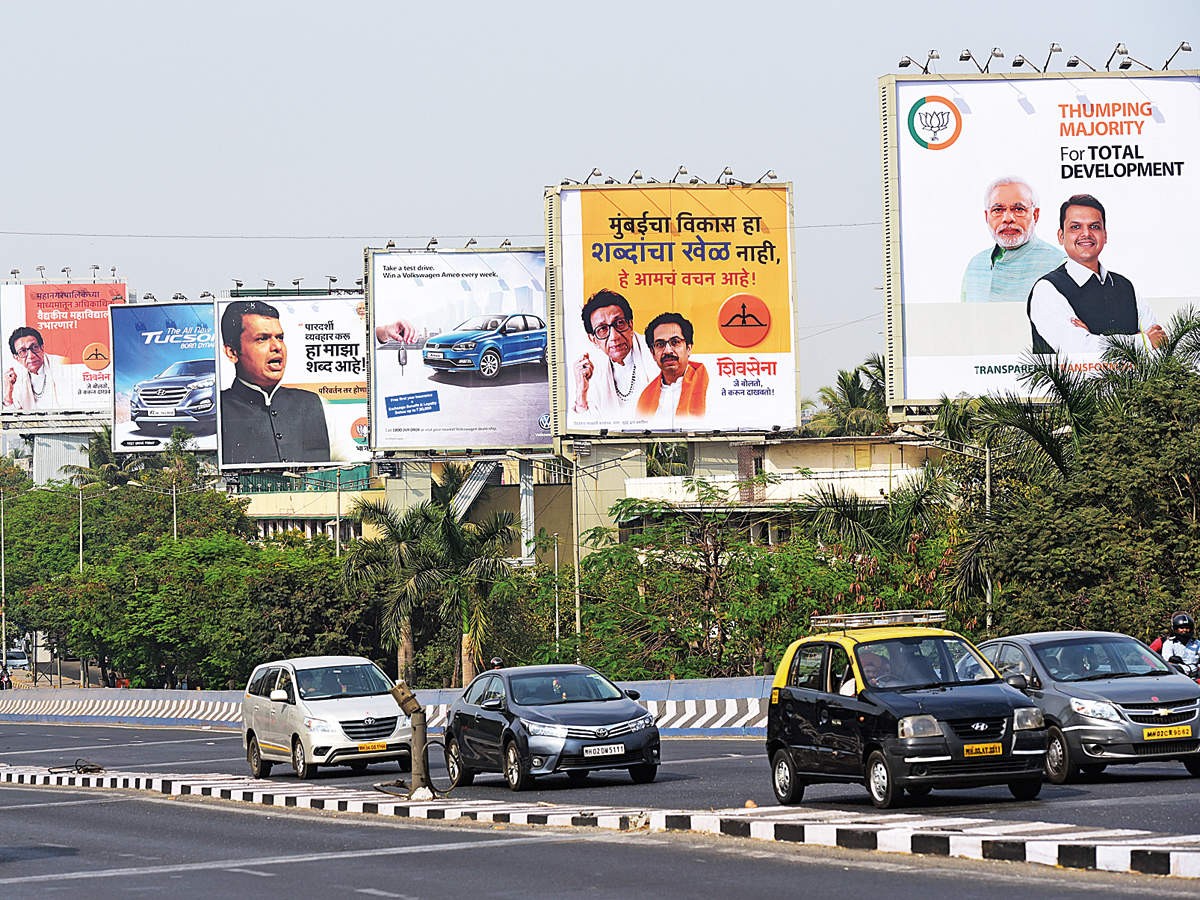
Capture long-dwell-time audiences with highway hoardings on major city expressways.
Engage urban families and premium shoppers with impactful mall hoardings.
✅ Conclusion
Indian metro cities like Delhi, Mumbai, and Bengaluru offer a diverse ecosystem of DOOH screen formats—from massive LED video walls to transit screens, mall displays, and interactive kiosks. Each format serves a unique purpose:
- LED walls for mass impact,
- Transit screens for daily commuters,
- Mall displays for premium shoppers,
- Tech park screens for professionals,
- Interactive kiosks for engagement-driven campaigns.

👉 For brands, the key is to match the format with the audience and campaign objective—creating DOOH campaigns that are not only visible but also memorable.