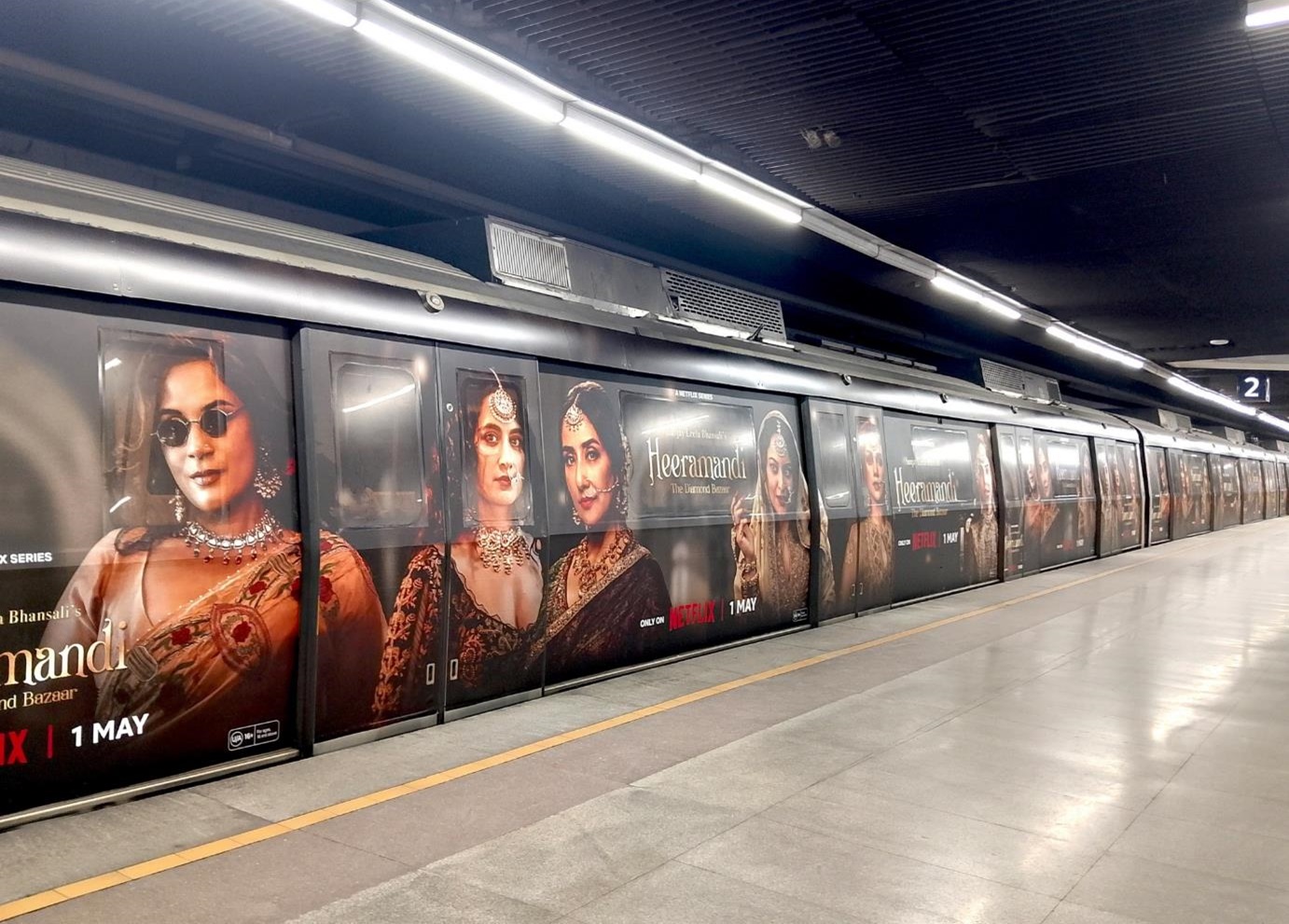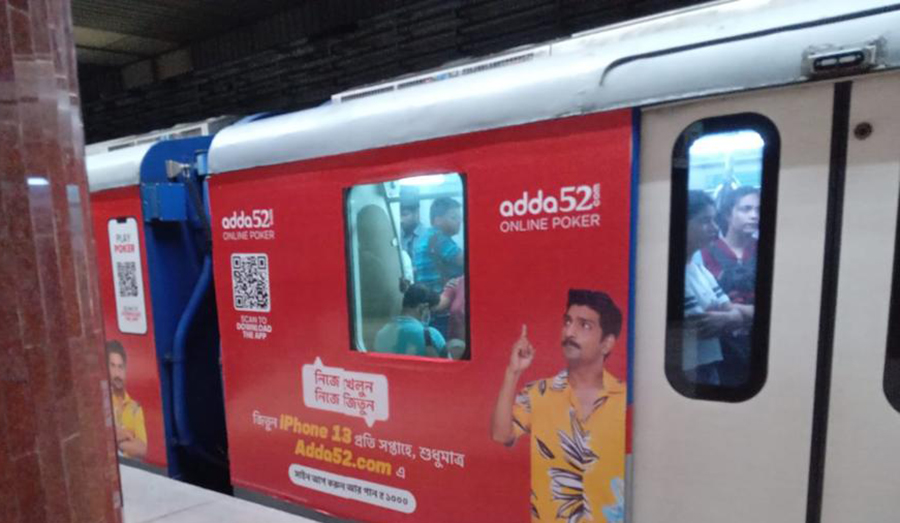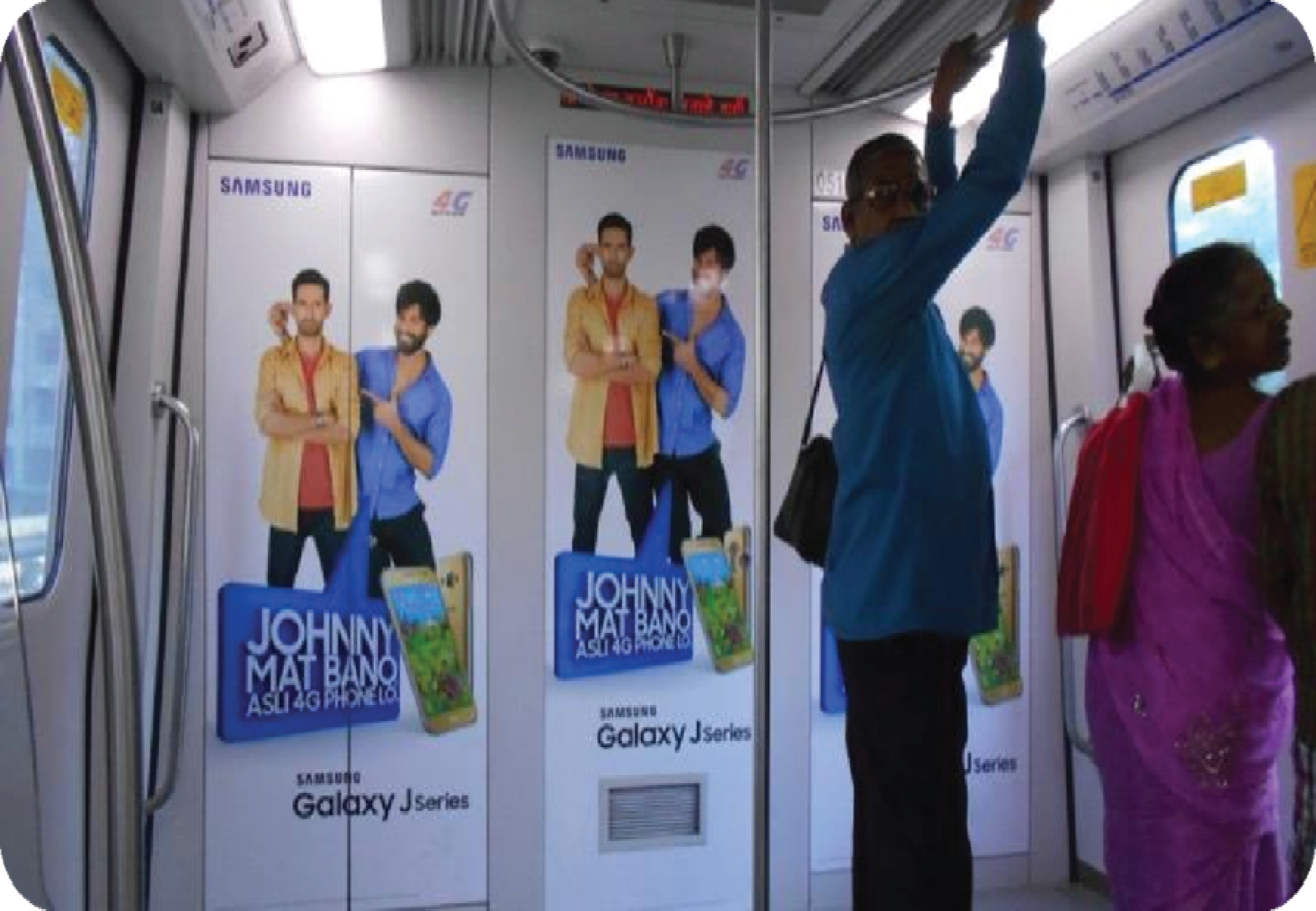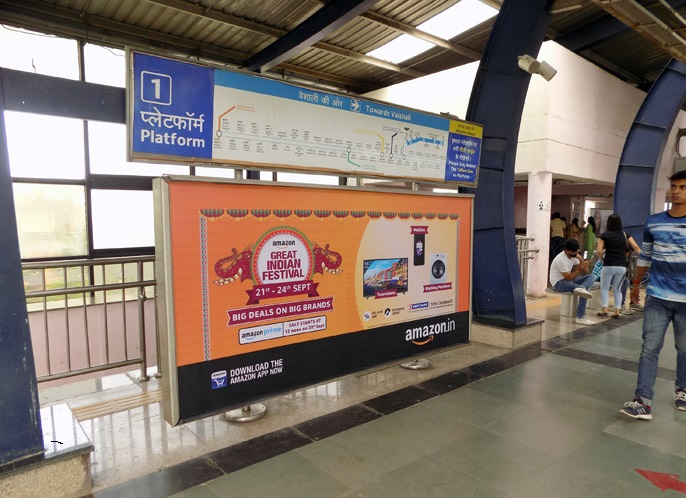
Metro stations across India’s top metropolitan cities—Delhi, Mumbai, Bengaluru, Chennai, Hyderabad, and Kolkata—have transformed from transit hubs into powerful advertising hotspots. As daily metro ridership surges and urban mobility networks expand, brands are increasingly turning to metro station advertising to capture audience attention in high-density urban zones.
This rising demand has made metro station branding one of the most influential OOH (Out-of-Home) trends in Tier-1 cities.
Growing Metro Footfall: A Massive Daily Audience Base
Tier-1 metros witness millions of commuters every day. With rising preference for fast, affordable, and predictable travel, the metro has become the preferred mode of transport for working professionals, students, shoppers, and tourists.
Metro stations offer:
-
Consistent footfall
-
Predictable commuter movement
-
Repeated exposure, as riders pass through the same route daily
This creates a captive audience where brands can deliver high-frequency impressions.

Prime Locations with High Engagement Zones
Unlike highways or traditional billboards, metro stations offer a variety of indoor and outdoor spaces where commuters spend more time. These include:
-
Entry/exit gateways
-
Concourse areas
-
Ticket counters
-
Escalators and elevators
-
Waiting zones
-
Platforms
-
Paid/unpaid corridors
Each of these touchpoints allows targeted messaging at eye level, ensuring strong brand interaction and recall.
Multi-Format Visibility for Every Brand Type
Metro stations support multiple advertising formats, making them suitable for all categories—FMCG, fintech, real estate, electronics, lifestyle, automotive, and more.
Popular formats include:
-
Static billboards
-
Digital screens (DOOH)
-
Backlit panels
-
Pillar wraps
-
Staircase branding
-
Lift/entry gate branding
-
Station domination packages
-
Experiential zones and product kiosks
This combination of formats allows brands to create layered, immersive campaigns.
High Dwell Time Improves Message Retention
Since commuters spend time waiting for trains, navigating through queues, or walking between levels, the average dwell time in metro stations is significantly higher compared to other transit mediums.
This longer engagement window helps deliver:
-
Better message visibility
-
Higher recall
-
Stronger storytelling opportunities
-
Improved lead/inquiry generation for local businesses
Digital and Programmatic Advertising Are Driving Growth
Tier-1 metro stations have rapidly adopted DOOH networks featuring:
-
Video-enabled large screens
-
Motion graphics
-
Real-time programmatic content
-
Interactive ads
-
Live data integration
Brands can run dynamic, time-based, location-based, or audience-triggered ads—something impossible with traditional static OOH.
This fusion of tech and transit media has elevated metro station advertising into a modern, performance-driven format.
Ideal for Urban, Young, and Premium Audience Targeting
Metro commuters in Tier-1 cities typically include:
-
Working professionals
-
Students
-
Tech-savvy youth
-
Upper middle-class shoppers
-
Frequent travellers
This demographic is highly receptive to:
-
Lifestyle brands
-
Retail and e-commerce
-
App-based services
-
Financial services
-
Fashion and gadgets
-
QSR and food delivery platforms
Metro stations offer the right environment to influence these high-intent consumers.
Brand Safety and Controlled Ad Environment
Unlike roadside billboards affected by weather, visibility issues, or external clutter, metro stations provide:
-
Controlled lighting
-
Clean surfaces
-
Zero roadside obstructions
-
A structured display environment
This ensures consistent visibility and long-term branding impact.
Scope for Full Station Domination
Brands wanting maximum impact can opt for station domination packages, where almost every visible surface within a station carries the brand’s messaging.
Benefits include:
-
Strong brand memorability
-
High-impact visual takeover
-
Premium positioning
-
Unmatched repetition
This makes metro domination a top choice for product launches and high-budget campaigns.
Conclusion
Metro station advertising has quickly evolved into a dominant urban branding trend in India’s Tier-1 cities. Its unmatched footfall, diverse ad formats, long dwell time, tech-driven innovation, and premium audience base make it a powerful channel for both national and local brands.
As India continues expanding its metro networks, the influence of metro station advertising will only grow—reshaping the future of urban OOH marketing.