The Psychology of Purchase Intent: Why Mall Audiences Respond Better to Brand Messaging..
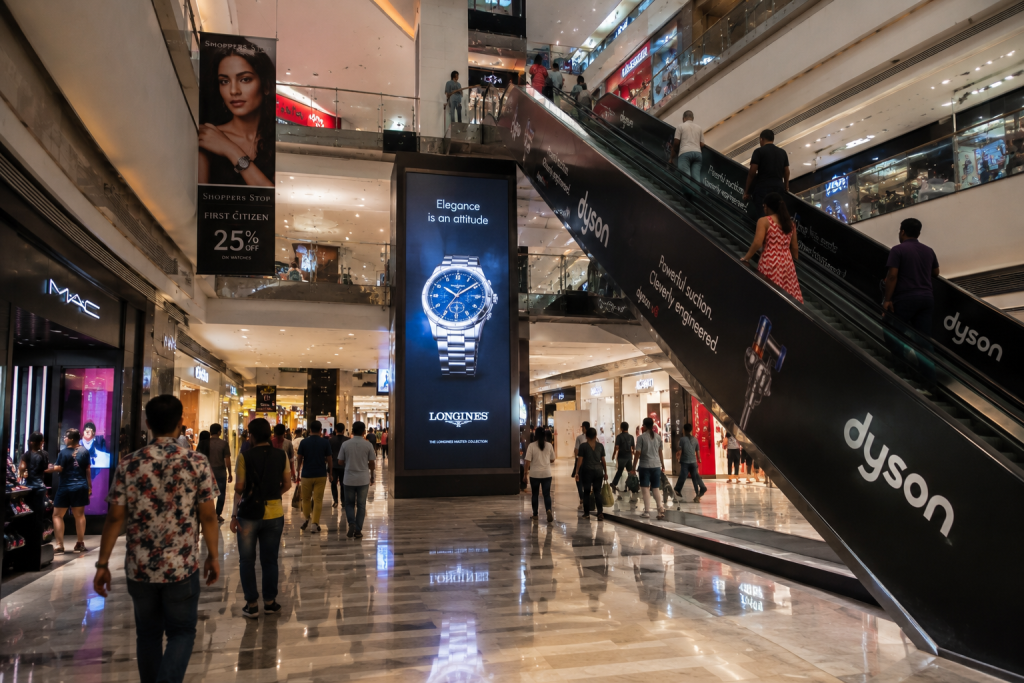
Successful advertising is not only about reaching consumers; it is about reaching them at the right moment. Understanding consumer psychology has become increasingly important as brands seek to maximize the effectiveness of their marketing investments. While many advertising formats focus on generating awareness, mall branding benefits from a powerful advantage—the audience is already in a purchase-oriented mindset.
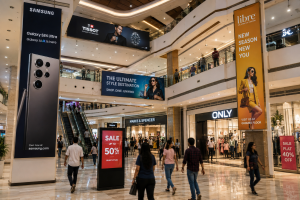
Shopping malls are environments where consumers intentionally spend time exploring products, evaluating options, and making buying decisions. This unique setting creates ideal conditions for brands to communicate with highly receptive audiences. Unlike roadside billboards or transit advertising that compete with distractions, mall advertising reaches consumers when they are actively engaged in the shopping experience.

Understanding Purchase Intent
Purchase intent refers to a consumer’s likelihood of buying a product or service. The stronger the purchase intent, the greater the probability that advertising will influence behavior.
Mall visitors typically enter shopping centers with one or more objectives:
- Shopping for products
- Exploring new brands
- Dining and entertainment
- Comparing offers
- Making planned purchases
Because these consumers are already open to spending, brand messaging becomes more relevant and impactful.
Why Mall Audiences Are More Receptive
One of the primary reasons mall advertising performs exceptionally well is the mental state of the audience. Unlike commuters dealing with traffic or professionals focused on work, mall visitors are generally relaxed and willing to engage with their surroundings.
This environment encourages:
- Product discovery
- Brand exploration
- Promotional engagement
- Impulse purchases
- Experience-driven decision-making
When consumers are emotionally and mentally available, they are more likely to notice and process advertising messages.
The Role of Extended Dwell Time
Another psychological advantage of mall branding is extended dwell time. Consumers often spend hours inside shopping malls visiting multiple stores, dining areas, and entertainment zones.
This longer duration creates repeated exposure opportunities through:
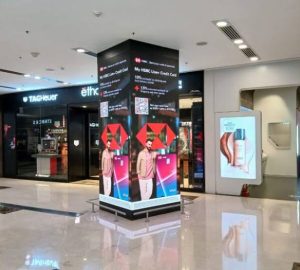
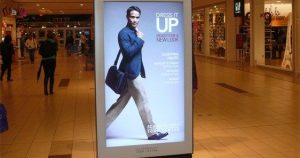
- Digital screens
- Escalator branding
- Atrium displays
- Elevator advertising
- Interactive activations
Repeated exposure reinforces memory and strengthens brand recall, making consumers more likely to consider the brand during purchase decisions.
Influence at the Point of Decision
Unlike many advertising formats that create awareness far from the point of purchase, mall branding often influences consumers moments before they buy.
This proximity to retail stores provides significant advantages:
Higher Recall
Consumers remember messages they encounter close to purchasing moments.
Stronger Purchase Consideration
Advertising becomes immediately relevant because consumers can act on it instantly.
Improved Conversion Potential
Brands can guide consumers directly from awareness to action within the same environment.
The Impact of Premium Retail Environments
Shopping malls are often associated with quality, lifestyle, aspiration, and premium experiences. Consumers entering these environments expect to discover products and brands that enhance their lifestyle.
This positive context strengthens brand perception and increases the effectiveness of advertising campaigns. Brands showcased within premium mall environments often benefit from enhanced credibility and consumer trust.