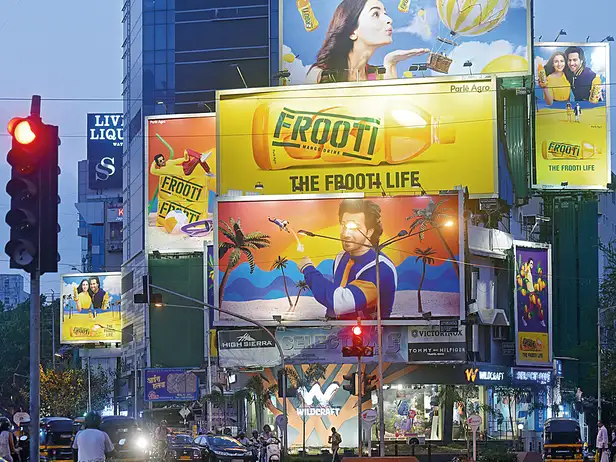
In recent years, Programmatic Digital Out-of-Home (DOOH) has reshaped how brands approach outdoor advertising. By merging data intelligence, automation, and real-time optimization, programmatic DOOH now allows marketers to deliver dynamic, contextually relevant messages across billboards, transit screens, and retail displays.
Globally, brands are no longer buying static placements; they’re buying moments — the right screen, at the right time, for the right audience. This integration of digital precision with physical visibility is creating a new era of outdoor storytelling.
What Makes Programmatic DOOH Different
Traditional outdoor advertising depended on fixed buys and broad reach. Programmatic DOOH transforms that model by using data-driven automation to serve ads based on location, weather, audience movement, or time of day.

For example, a coffee brand might trigger ads near transit hubs on cold mornings, while a sports retailer could activate campaigns around stadiums before major events. These automated triggers ensure maximum relevance and efficient media spend.
According to Vistar Media, a global programmatic DOOH platform, advertisers now treat DOOH as a connected digital channel. It integrates with omnichannel campaigns and shares audience data with other media — from mobile to CTV — creating a seamless digital-outdoor loop.
Global Case Studies: Data Meets Creative
1. McDonald’s – Weather-Triggered Freshness in the UK
McDonald’s ran a programmatic DOOH campaign across London and Manchester using live weather data. When temperatures rose above 25°C, screens automatically switched to display McFlurry and cold drink creatives. On cooler days, coffee and breakfast ads appeared instead.
This campaign demonstrated how data-driven automation could drive both foot traffic and contextual relevance without manual intervention.
2. Nike – Motion-Based Targeting in New York
In New York, Nike integrated programmatic DOOH with fitness app data to promote its running shoes. Billboards along Central Park and Brooklyn Bridge triggered ads when running activity spiked. The creative dynamically updated to show motivational messages and real-time running stats.
By combining geo-behavioral data and live motion analytics, Nike created a campaign that literally moved with its audience.
3. Coca-Cola – Real-Time Moments During the FIFA World Cup
Coca-Cola’s global FIFA World Cup campaign showcased the emotional power of live-triggered DOOH. Using programmatic delivery, screens across major cities switched creatives instantly during key match moments — goals, wins, or player highlights.
This made Coca-Cola’s messaging feel spontaneous and human, connecting with millions of fans as the action unfolded in real time.
4. Audi – Location-Based Car Launch Across Europe
Audi launched its new e-tron GT across multiple European countries using a programmatic DOOH network powered by Vistar Media. The campaign used real-time audience data from mobile devices to target high-value commuter routes and premium retail zones.
As a result, Audi achieved 40% higher recall compared to traditional static outdoor campaigns, proving how programmatic optimization enhances performance and visibility.
5. Unilever – Cross-Channel Integration with DOOH and Mobile
Unilever’s personal care division used programmatic DOOH in Southeast Asia to synchronize outdoor screens with mobile ads. When audiences near a mall or metro saw the outdoor ad, corresponding mobile creatives appeared within seconds.
This cross-device amplification doubled engagement rates and helped the brand measure footfall through anonymized data signals — bridging the gap between awareness and measurable action.
The Technology Behind the Magic
At the heart of every programmatic DOOH campaign lies a data management and demand-side platform (DSP), often powered by companies such as Vistar Media or Hivestack.
These systems analyze anonymized data sources — like mobile GPS, weather APIs, or time-based triggers — to determine the best screen and moment for ad delivery. The process is automated, reducing manual negotiation and improving accuracy.

Moreover, advertisers can now integrate DOOH with broader programmatic ecosystems, sharing campaign performance metrics in real time and optimizing creative rotation based on audience exposure and dwell time.
Why Brands Are Investing in Programmatic DOOH
The appeal of programmatic DOOH lies in three major advantages:
-
Precision and Flexibility: Brands can target audiences dynamically and adjust campaigns instantly.
-
Efficiency: Automated buying eliminates waste and increases cost-effectiveness.
-
Measurement: New analytics tools provide real-time reporting, linking outdoor exposure to digital outcomes such as app installs, store visits, or conversions.
In addition, programmatic DOOH bridges the creative gap between digital storytelling and physical engagement, offering brands a way to stand out in cluttered media environments.
The Road Ahead: Smarter, Greener, More Interactive
As the global DOOH ecosystem evolves, integration with AI, sustainability metrics, and interactive formats will further redefine the space.
AI will enhance predictive targeting — serving ads before the audience even arrives. Meanwhile, sustainability dashboards will allow brands to choose networks powered by renewable energy. Interactive elements like QR codes or augmented reality will transform passive screens into two-way experiences.
The future of outdoor advertising isn’t just bright; it’s smart, data-driven, and responsive.
Conclusion
Programmatic DOOH integration campaigns are no longer experimental — they’re becoming a mainstay of modern brand strategy. By combining digital efficiency with outdoor impact, global brands are proving that technology and creativity can coexist beautifully.
As solutions like Vistar Media continue to lead innovation, the once-static billboard is now a living, breathing part of the connected digital journey — turning real-world screens into powerful, data-driven storytellers.