In a country as culturally diverse and event-rich as India, choosing the right event for your brand activation can determine whether you just “show up” or truly stand out. The key lies in aligning the event’s audience, mood, and visibility with your brand’s personality and campaign goals.
This article provides a structured guide on how to evaluate, filter, and select the right events for brand activations that deliver both visibility and engagement.
1. Know Your Activation Objective First
Before evaluating event options, ask yourself: What is the goal of your brand activation?
Is it:
-
Product sampling?
-
Lead generation?
-
Customer engagement?
-
Regional brand awareness?
-
Building credibility via presence?
Your objective should guide the type of event you pursue. For instance, if the goal is experiential trial of a food product, a cultural fair or flea market is more effective than a business conference.
2. Match the Event Audience with Your Target Segment
This is the golden rule of event advertising. The event’s primary audience must closely resemble your ideal customer persona.
Evaluate:
-
Age group
-
Gender mix
-
Language and location
-
Occupation
-
Income level
-
Interests and values
For example:
-
A sportswear brand may prefer a fitness expo or city marathon.
-
A cosmetics brand may find better engagement at a women’s expo or fashion flea market.
-
A B2B SaaS brand should target business summits or tech conclaves.
Avoid events with broad, unfiltered crowds if your product needs focused targeting.
3. Assess the Event’s Popularity and Credibility
Not all events deliver value. A low-attendance or poorly managed event can dilute your brand presence. Check:
-
Previous editions: Number of attendees, scale of brands present, social buzz
-
Media tie-ups or influencer associations
-
Organizer reputation and past event portfolio
-
Availability of event reports or case studies
You’re not just paying for space—you’re paying for trust, crowd quality, and experience design.
4. Consider Location and Timing Carefully
India’s vast geography and seasonal diversity mean location matters.
Things to weigh:
-
Is the city/venue aligned with your current market strategy?
-
Is it in a high-footfall, easily accessible area?
-
Does the event clash with major holidays or local strikes?
Also, evaluate seasonality:
-
Summer → indoor expos, education fairs
-
Winter → marathons, lifestyle events
-
Festive seasons → retail fairs, food carnivals, music concerts
Choose events that are timely for your category—and when people are most receptive.

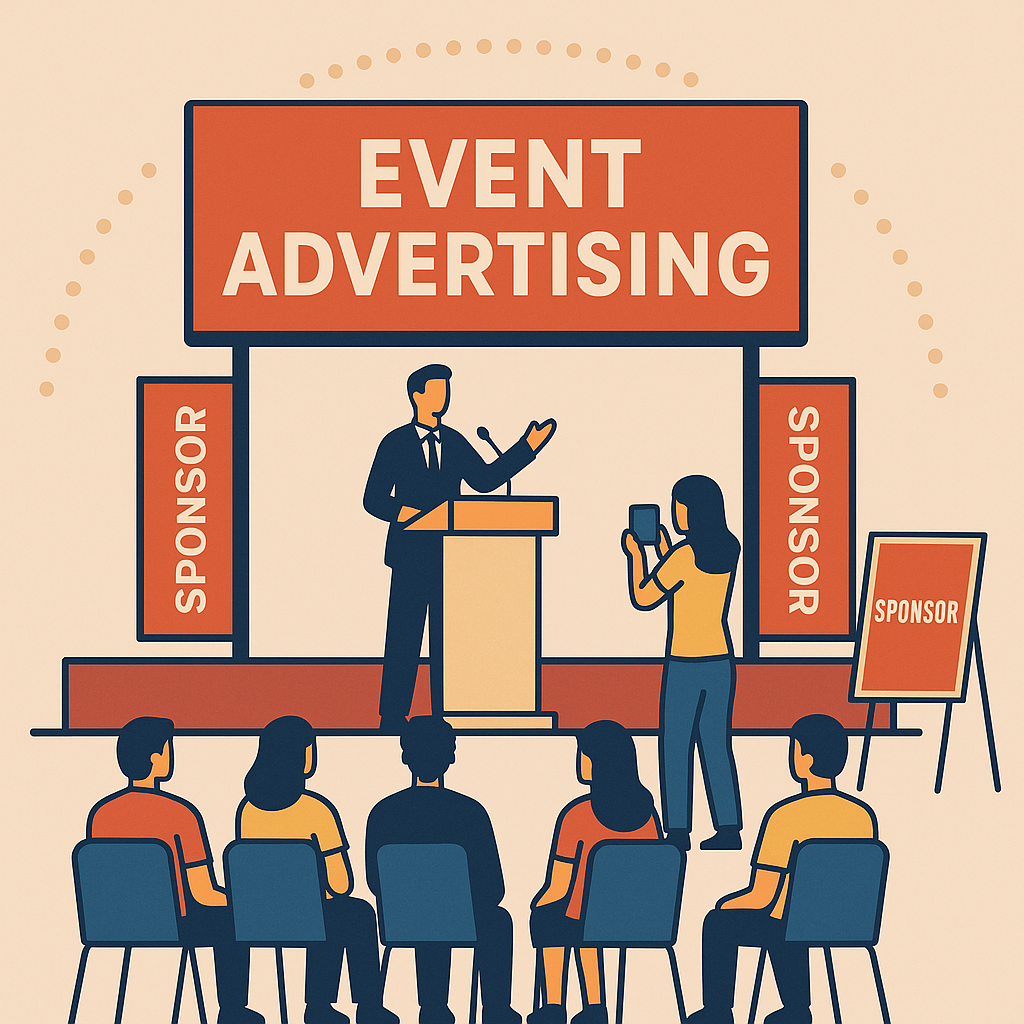
5. Evaluate Sponsorship vs. Activation Opportunities
You don’t always need to be a main sponsor. In many events, activation stalls or branded experiences can be more affordable and direct.
Compare:
-
Sponsor package: Logo placements, mentions, co-branding on social/digital
-
Activation rights: Booth setup, product sampling, staff interaction
For tight budgets, activation-only presence at a large event can outperform a mid-tier sponsorship elsewhere.
6. Compare Pricing vs. Deliverables
Event marketing can range from ₹25,000 for a local stall to over ₹1 crore for headline sponsorship at a national sports event. It’s not about how much you spend—it’s about what you get for it.
Checklist:
-
Space or booth size
-
Branding assets (banners, stage, kiosks)
-
Digital rights (posts, hashtags, shout-outs)
-
Access to attendee database or lead forms
-
In-event engagement formats (quizzes, demos, giveaways)
-
Emcee mentions or stage time
Always ask for detailed deliverables and audience projections before committing.
7. Factor in Competitor Presence
If your competitors are showing up at an event, that may be a signal to establish presence or outshine them with better activation.
But, if competitors have dominated a venue for years and already enjoy loyalty, it may be wise to:
-
Choose a different event type
-
Select a different city or audience
-
Plan a creative activation that steals attention even on neutral ground
8. Consider Digital Integration Opportunities
Today, many events come with strong digital amplification, including:
-
Pre-event reels, influencer endorsements, teaser trailers
-
Live streaming or digital contests
-
On-site QR code activations or AR installations
-
Post-event recap videos with brand tags
Choose events that offer 360° exposure—on ground, on screen, and on social.
9. Analyze Lead and Data Capture Potential
If your goal is to collect leads (common for insurance, real estate, tech, and education sectors), ensure the event provides:
-
Data collection support (entry forms, app sign-ups)
-
On-ground Wi-Fi or app kiosks
-
Team space to hold 1-on-1 product demos
-
Segmented attendee profiles (student fair vs. entrepreneur expo)
You’re not just investing in visibility—you’re buying audience interaction and potential customers.
10. Look for Repeatability and Partnership Scope
If an event performs well, your brand can build consistency by:
-
Signing up as a long-term partner
-
Becoming a title sponsor in future editions
-
Integrating brand-specific content into the event’s schedule (e.g., hosting a workshop or performance)
Sustainable brand-event relationships yield better ROI over time, and audiences begin to associate your name naturally with that experience.
Conclusion: Be Selective, Strategic, and Audience-First
Choosing the right event for brand activation is not about how big the right event is—it’s about how well it aligns with your goals and your audience. The most successful event advertisers are those who evaluate data, prioritize audience fit, and aim for relevance over reach.
With India’s fast-expanding event ecosystem, smart selection means smarter results.
MyHoardings: Helping You Activate at the Right Events
Not sure which is the right event ? MyHoardings provides strategic event advertising guidance, from city-level activation to pan-India sponsorships. With our nationwide network, we help you find the best spaces, audiences, and moments to bring your brand to life.
? Call: 9953847639
? Email: business@myhoardings.com
? Visit: www.myhoardings.com
Types of Marketing
-
1
Social Media Marketing
Social media marketing is an offshoot of content marketing that creates content and shares it via relevant social platforms.
-
2
Content Marketing
Content marketing refers to informational, valuable content like blog posts, how-to videos, and other instructional materials.
-
3
Email Marketing
Email marketing is a form of direct marketing that targets current or potential customers.
-
4
Direct Marketing
Direct marketing is a form of communicating an offer, where organizations communicate directly to a pre-selected customer and supply a method for a direct response.
-
5
Influencer Marketing
Influencer marketing involves working with online personalities who can impact their followers' purchasing decisions based on their expertise.
-
6
Affiliate Marketing
Affiliate marketing is a strategy in which a company pays commission to an external website for sales that are generated via their website/apps.
-
7
Search Engine Optimization
SEO is when brands optimise their web pages to rank higher on search engine results pages (SERPs).
-
8
Advertising
Advertising is the practice and techniques employed to bring attention to a product or service. Advertising aims to put a product or service in the spotlight in hopes of drawing it attention from consumers.
-
9
Word of Mouth
Word-of-mouth marketing campaigns are an effective way to influence organic conversations about your brand.
-
10
Print Marketing
Print marketing. This form of marketing is the distribution of advertising in magazines, newspapers, and brochures.
-
11
Direct Mail
With direct mail marketing, businesses send advertising materials directly to the customer's home.