“Advertising is not an expense, it’s an investment – and with DOOH, the returns are smarter, faster, and more measurable.”
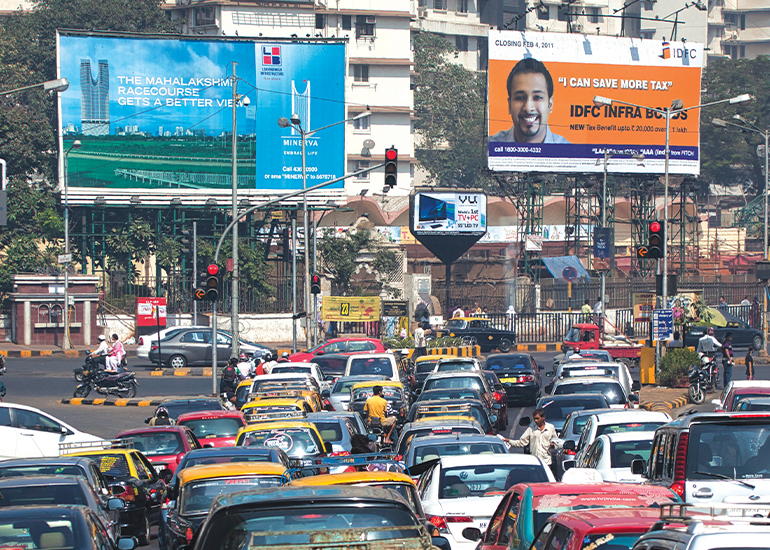
In India’s major metro cities—Delhi, Mumbai, Bengaluru, Chennai, Hyderabad, and Kolkata—startups and mid-sized businesses face the challenge of building brand visibility without burning budgets. Traditional outdoor advertising (static hoardings) has long been seen as expensive and rigid, often locking smaller brands out of prime spaces.
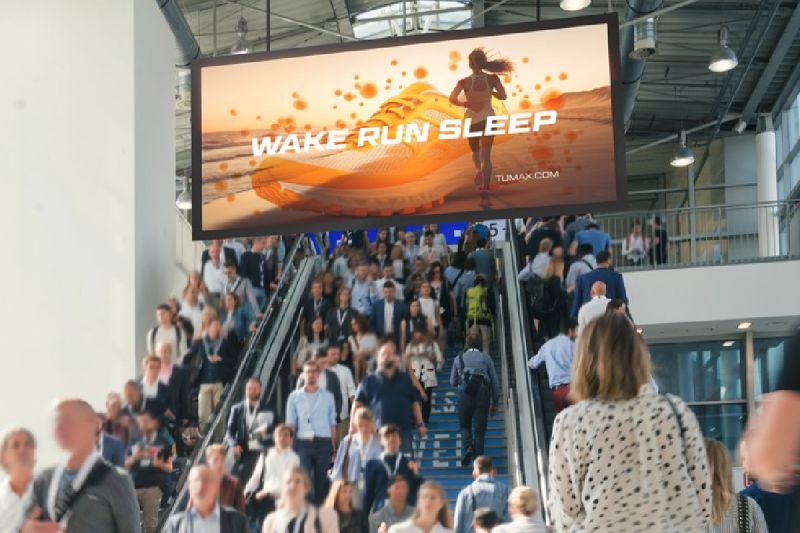
But with Digital Out-of-Home (DOOH) advertising, the game has changed. It has introduced flexibility, transparency, and scale—making high-impact advertising accessible even for smaller businesses.
✅ Key Reasons Why DOOH is Cost-Effective for Startups & Mid-Sized Businesses
1. Flexible Budgeting – Pay Only for What You Need
- Traditional OOH requires a 30-day lock-in at fixed rates, even if you want visibility for just a week.
- DOOH allows short-term bookings—daily, weekly, or even hourly slots.
- Example: A Bengaluru-based food delivery startup can book prime-time evening slots (6–9 PM) on metro station screens instead of paying for 24/7 coverage.
2. Dynamic Creative Rotation (One Screen, Multiple Brands)
- Unlike hoardings where one brand owns the space, DOOH allows multiple brands to share screen time.
- This splits costs and lets smaller brands access premium locations like CyberHub (Gurugram), Bandra Kurla Complex (Mumbai), or MG Road (Bengaluru) without paying crores.

3. Hyperlocal Targeting – No Wastage
- Startups don’t need to cover the entire city. DOOH enables geo-targeted campaigns at specific metro stations, malls, or office parks.
- Example: A fintech app can advertise only at Delhi Metro Yellow Line stations (popular with working professionals) instead of buying blanket citywide coverage.
- Result: Lower spend, higher relevance.
4. Real-Time Campaign Control
- Traditional OOH = fixed creative for weeks.
- DOOH = instant updates via a central dashboard.
- A mid-sized retail chain can push “Weekend Sale” ads only on Fridays–Sundays, saving costs compared to running ads 24/7.
5. Better ROI Through Data & Analytics
- Static hoardings offer only estimated traffic counts.
- DOOH tracks impressions, dwell time, demographics, and conversions (via QR codes, geo-fencing, mobile retargeting).
- This means every rupee spent is measurable, and startups can optimize campaigns in real time.
6. Lower Creative Production Costs
- Printing static hoardings involves design + print + mounting (₹20,000–₹1 lakh per creative).
- DOOH creatives = digital uploads only.
- Startups can A/B test multiple creatives without paying extra for reprints.
7. Premium Perception at Affordable Rates
- DOOH gives brands a modern, tech-savvy image even with smaller budgets.
- Example: A mid-sized D2C skincare brand displaying animated ads in Select Citywalk (Delhi) looks as premium as international giants, but at a fraction of the cost.
💰 Cost Comparison: DOOH vs Traditional OOH in Metros
| Parameter | Static OOH (Hoardings) | DOOH Screens |
|---|---|---|
| Minimum Campaign Duration | 30 days | Daily / Weekly / Hourly |
| Creative Update Cost | ₹20K–₹1L per change | Free (digital upload) |
| Average Monthly Cost (Prime Metro Location) | ₹5L–₹25L | ₹50K–₹5L |
| Targeting | Broad, location-based | Hyperlocal, time-based, demographic-focused |
| Performance Tracking | Footfall estimates | Real-time data (impressions, engagement) |
👉 For startups, entry-level DOOH campaigns can begin at ₹50,000–₹1,50,000 per month in metro cities—making it far more accessible compared to static hoardings.
🎯 Best DOOH Use Cases for Startups & Mid-Sized Brands
- App-Based Businesses (Food Delivery, Fintech, EdTech): Target metro commuters and retarget them on mobile.
- Retail & Fashion Brands: Use mall displays to reach premium shoppers.
- Cafés & Restaurants: Run hyperlocal ads near high-footfall streets and office zones.
- Events & Festivals: Short-term DOOH bursts for ticket sales, launches, or festive discounts.
- Healthcare & Fitness Brands: Screens near tech parks, gyms, and residential hubs.
Reach premium business and leisure travelers with strategic airport hoarding ads.
Leverage metro networks in Delhi, Mumbai, and Bengaluru for maximum daily commuter visibility.
✅ Conclusion
For startups and mid-sized businesses in Indian metro markets, DOOH advertising is not only cost-effective but also highly scalable. Unlike traditional OOH, which demands hefty, long-term investments, DOOH offers:
- Short-term flexibility
- Hyperlocal targeting
- Lower creative costs
- Real-time measurability

👉 The result? Even with limited budgets, startups can achieve premium brand visibility in high-traffic metro zones—once a luxury reserved only for large corporations.