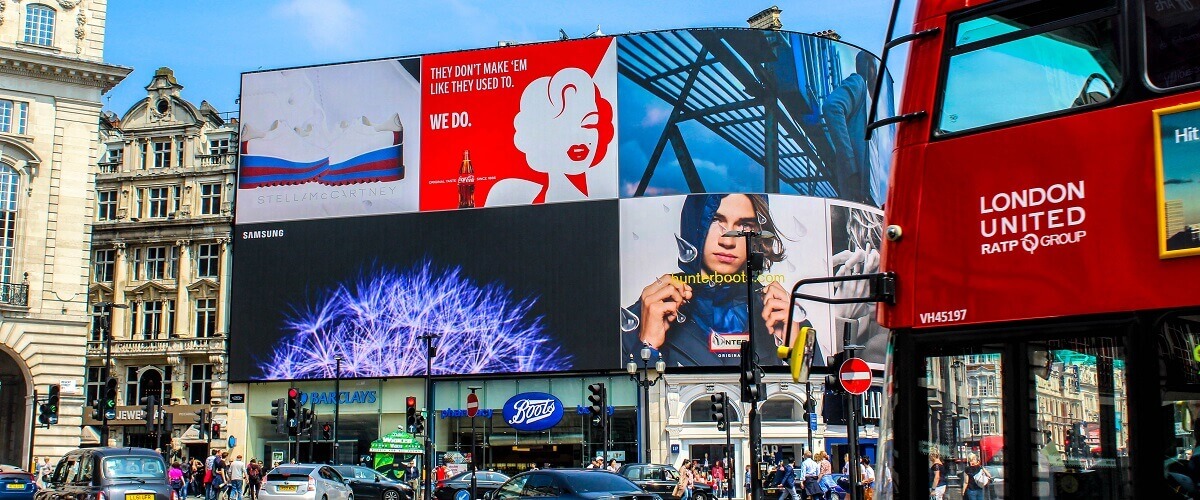
“People may forget what they see once, but they will never forget what they see every day, in motion, and in context.”
In fast-paced metro cities, commuters are constantly exposed to advertising clutter—static hoardings, flyers, and digital noise on mobile. For a brand to stand out, it needs repeated, engaging, and memorable exposure. That’s exactly where DOOH screen branding delivers maximum impact.
✅ 1. High-Frequency Exposure in Daily Journeys
- Metro commuters in Delhi, Mumbai, and Bengaluru spend anywhere between 30–90 minutes daily inside metro systems.
- Screens at entry/exit gates, ticket counters, platforms, and inside trains ensure multiple touchpoints per journey.
- Result: The brand message is seen repeatedly → creating automatic recall even without active attention.
✅ 2. Motion & Dynamic Content Boost Memory Retention
- Static hoardings fade into the background after repeated exposure.
- DOOH uses motion graphics, video ads, countdown timers, and real-time updates—all of which are 20–30% more memorable than static displays (as per neuromarketing studies).
- Result: Animated ads trigger visual memory encoding, improving recall.

✅ 3. Contextual Relevance (Time, Location, Event-Based Ads)
- A coffee brand ad in the morning, a food delivery offer at 6 PM, or a rainy-day promo in Bengaluru feels more relevant.
- When ads are timed with the audience’s mood and needs, recall rates skyrocket.
- Result: Commuters remember the brand because the message felt “personal” and “timely.”
✅ 4. Reaching Captive Audiences with Long Dwell Time
- Waiting at ticket counters, escalators, platforms, or traffic junctions creates “dwell time.”
- DOOH screens strategically placed in these areas keep commuters engaged during idle moments.
- Result: Ads aren’t just glanced at—they’re absorbed, making recall stronger.
✅ 5. Repetition Across Multiple Urban Touchpoints
- Commuters may see the same brand on:
- Metro station screens in the morning,
- Mall DOOH walls in the evening, and
- Digital billboards at traffic signals.
- This multi-location frequency builds reinforced memory loops.
- Result: Stronger recall and higher chances of conversion.
✅ 6. Premium Look = Premium Recall
- DOOH conveys modernity, innovation, and scale—qualities urban audiences admire.
- A brand on dynamic LED walls in Connaught Place (Delhi) or Bandra (Mumbai) is automatically perceived as bigger and more trustworthy.
- Result: The association of “premium = memorable” strengthens recall.
✅ 7. Interactivity & Engagement Drive Deeper Recall
- DOOH supports QR codes, gamification, AR/VR filters, and NFC taps.
- When commuters engage with a brand instead of just watching passively, the recall jumps dramatically.
- Result: Active participation embeds the brand in long-term memory.
✅ 8. Social Amplification
- Eye-catching DOOH ads often get photographed, shared, or posted on social media (Instagram, X, LinkedIn).
- Example: A quirky real-time campaign in Bengaluru’s MG Road metro might go viral online.
- Result: Recall spreads beyond commuters to the larger urban digital audience.
📊 Example Scenarios of Brand Recall via DOOH in Metros
- Food Delivery App: Evening rush-hour metro ads reminding commuters to order dinner → recall at the exact decision-making moment.
- OTT Platform: Countdown ads for a new web series on metro platform screens → buzz + higher recall at launch.
- Fintech Startup: Daily wallet cashback ads inside trains → commuters recall the brand when making payments.
- Fashion Brand: Mall atrium LED wall ads → urban shoppers recall during their next purchase cycle.
Make a splash during festivals, concerts, and sports events with bright LED hoardings.
Understand pricing structures and ROI of hoardings in Delhi, Mumbai, and Bengaluru.
✅ Conclusion
DOOH screen branding enhances brand recall among metro commuters and urban audiences by combining:
- High frequency exposure during daily travel,
- Dynamic, motion-driven storytelling,
- Contextual & time-relevant ads, and
- Interactive engagement.

👉 In metros like Delhi, Mumbai, and Bengaluru, DOOH isn’t just about visibility—it’s about embedding a brand into the daily routine of urban consumers, ensuring it stays top-of-mind at the moment of purchase.