“What gets measured, gets improved.” – Peter Drucker
One of the biggest differences between Digital Out-of-Home (DOOH) advertising and traditional static hoardings lies in how performance is tracked and measured. While static billboards have always been powerful for visibility, they lack precise metrics—something that DOOH solves with its tech-driven, data-first approach.
Let’s break down the comparison:
1. Audience Measurement
- Static Hoardings:
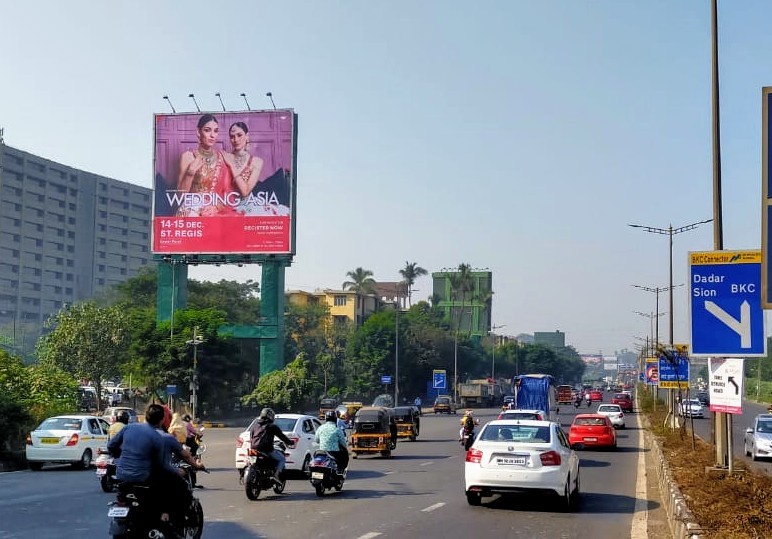
- Performance is estimated using traffic counts, footfall surveys, and location visibility studies.
- Metrics are broad, such as “X lakh cars pass this road daily.”
- No way to know exactly who viewed the ad or for how long.
- DOOH Screens:
- Uses AI-powered sensors, mobile data, and geo-fencing to track impressions and dwell time.
- Can measure audience demographics (age group, gender, lifestyle patterns) based on aggregated data.
- Example: In Delhi Metro DOOH, brands can track how many commuters stopped and engaged with a screen during peak hours.
2. Engagement Tracking
- Static Hoardings:
- Engagement is passive. Audiences see the ad, but there’s no direct way to interact or track responses.
- Success is often judged by brand visibility and recall surveys.
- DOOH Screens:
- Supports interactive features like QR codes, NFC tags, AR/VR filters, and live polls.
- Engagement can be measured in real-time—how many scanned, clicked, or participated in on-screen activities.
- Example: A retail brand in Mumbai malls can measure QR code scans directly tied to a DOOH campaign.

3. Real-Time Reporting
- Static Hoardings:
- Reporting is limited to before-and-after photos of the billboard and footfall estimates.
- No scope for live performance tracking.
- DOOH Screens:
- Provides real-time dashboards with impressions, reach, and engagement stats.
- Campaigns can be adjusted instantly—changing creatives, timings, or even target locations mid-way.
- Example: During IPL in Bengaluru, beverage brands can track live engagement with sports-themed DOOH creatives and tweak content based on performance.
4. ROI Measurement
- Static Hoardings:
- ROI is hard to quantify, often measured via indirect indicators like sales lift, surveys, or brand recall studies.
- There’s usually a time lag in understanding impact.
- DOOH Screens:
- ROI is measurable through direct KPIs like impressions, conversions (via QR codes or landing pages), and engagement levels.
- Brands can run A/B testing to see which creative works better in real time.
- Example: A fintech app can track how many app downloads came directly from a DOOH screen in CyberHub, Gurugram.
5. Campaign Flexibility and Adaptability
- Static Hoardings:
- Once installed, the creative cannot be changed until the next cycle.
- Performance improvement depends on waiting for the next print run.
- DOOH Screens:
- Campaigns can be modified instantly if performance is low.
- Brands can experiment with time slots, content variations, or local messaging to optimize engagement.
Maximize reach among high-income audiences through South Delhi’s premium outdoor spaces.
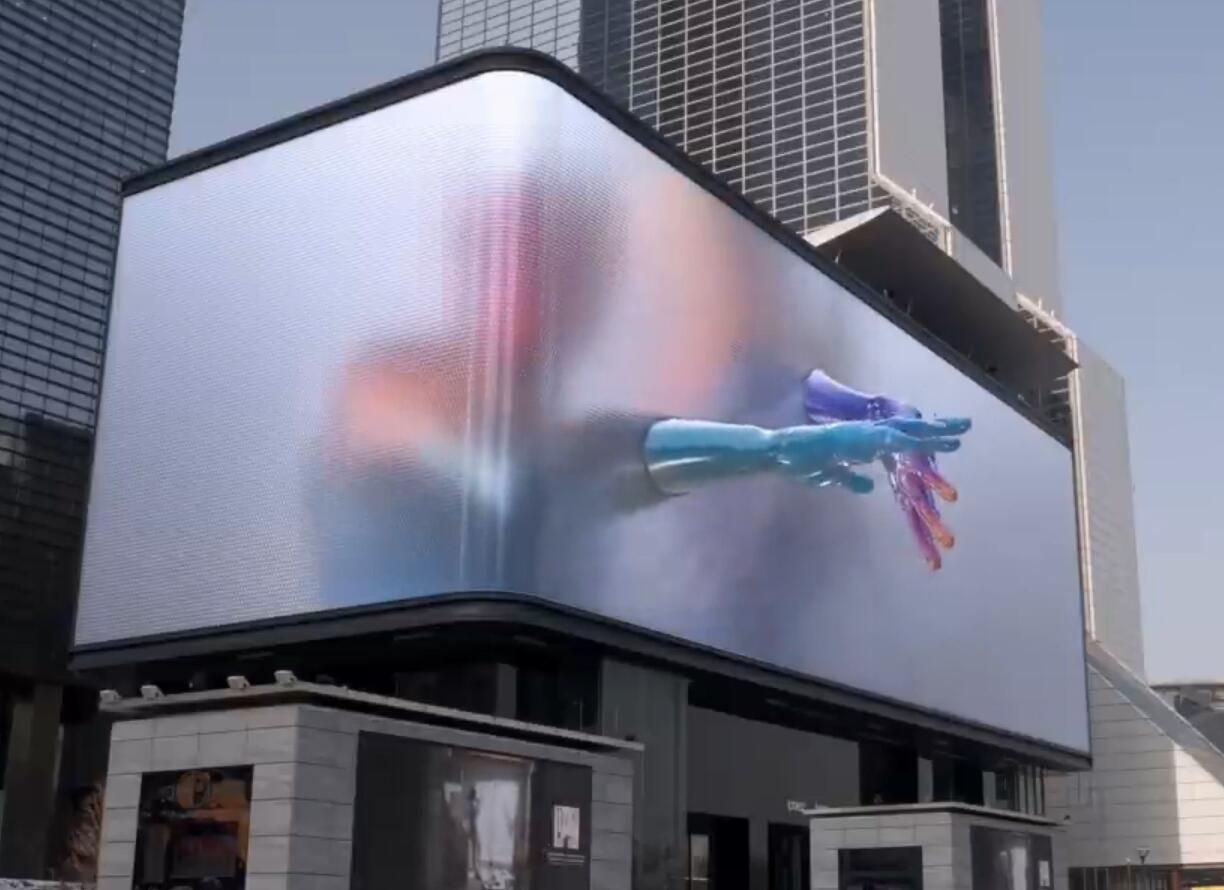
Upgrade from static to dynamic with interactive DOOH hoardings across metros.
✅ Conclusion
In summary, DOOH advertising offers measurable, data-backed insights into campaign performance, while static hoardings rely on estimates and visibility assumptions. DOOH’s ability to track real impressions, engagement, and ROI in real time makes it the smarter choice for metro-city advertisers who want accountability and agility.

👉 For brands in Delhi, Mumbai, and Bengaluru, DOOH is not just visibility—it’s visibility with measurable impact.
📊 Static Hoardings vs DOOH: Campaign Performance Measurement
| Aspect | Static Hoardings | DOOH (Digital Out-of-Home) |
|---|---|---|
| Audience Measurement | Based on traffic counts, footfall surveys, and location visibility. No exact viewer data. | Uses AI, sensors, mobile data, and geo-fencing to measure impressions, dwell time, and audience demographics. |
| Engagement Tracking | Passive exposure only. No way to track interaction. | Supports interactive features (QR codes, NFC, AR/VR). Engagement can be tracked in real-time. |
| Reporting | Limited to pre/post-installation photos and broad estimates. | Live dashboards with impressions, reach, and engagement metrics. Reports available in real time. |
| ROI Measurement | Hard to quantify. Relies on sales lift, surveys, or recall studies. | Direct KPIs like impressions, conversions (via QR scans), app installs, or store visits. |
| Flexibility | Fixed creative for long durations (typically 30 days). No real-time edits possible. | Instant creative updates. Campaigns can be changed mid-way based on performance or local context. |
| Content Variety | Static, one-message display. | Dynamic – multiple creatives, time-based ads, contextual content (weather, events, traffic). |
| Optimization | Improvements possible only in the next cycle. | A/B testing possible with live optimization and multiple ad variations. |
| Brand Perception | Traditional, static presence. | Modern, premium, tech-savvy perception with motion and interactivity. |
✅ Summary:
- Static Hoardings = Visibility, broad reach, but limited measurability.
- DOOH Screens = Visibility + data-backed accountability, real-time engagement, and ROI measurement.
👉 For metro markets like Delhi, Mumbai, and Bengaluru, DOOH delivers far more measurable impact compared to static hoardings.