In an era dominated by digital media, social platforms, and streaming services, one might assume that traditional channels like radio are losing relevance. However, radio advertising continues to hold its ground as a powerful tool in the marketer’s toolkit, particularly in India. With its hyper-local reach, affordability, and loyal listenership, radio still offers unique advantages that digital media can’t always replicate.
This article explores the real impact of radio advertising in today’s media ecosystem and why it remains an effective channel for brands across industries.
Understanding the Reach of Radio in India
Despite the growth of online content, radio in India continues to reach millions every day. With over 300 private FM stations and extensive coverage by All India Radio (AIR), radio spans both urban and rural regions.
Some key stats:
-
More than 65% of India’s population listens to radio regularly.
-
Tier 2 and Tier 3 cities have deep radio penetration where digital adoption is still growing.
-
Commuters, homemakers, and small business owners rely heavily on radio for news, entertainment, and music.
Unlike digital ads that require active screen time, radio works on passive engagement—listeners tune in while driving, working, or relaxing, making it a non-intrusive yet powerful medium for brand messaging.
The Emotional and Local Connection
One of the core reasons for radio’s ongoing effectiveness is its emotional resonance and local flavor. Radio jockeys (RJs) often form a daily habit for listeners and hold influence comparable to micro-influencers. When an RJ endorses a product or talks about a brand, it’s perceived as a trusted recommendation, not just an ad.
Moreover, radio stations tailor content based on regional culture and language. This hyper-local nature enables advertisers to target specific geographies, dialects, and communities with localized messaging, creating stronger brand relevance.
Cost Efficiency and ROI
Radio advertising offers a low-cost entry point compared to other mass media channels like television or print. You can run a campaign across multiple cities without needing massive budgets.
Key cost advantages:
-
Flexible time slots allow brands to choose peak or non-peak airtime based on their budget.
-
Short ad durations (10–30 seconds) still drive strong recall.
-
No production costs for visuals means faster turnaround and less creative overhead.
Many local businesses and startups prefer radio because it provides high reach per rupee spent, making it ideal for tight budgets and targeted brand launches.
Ad Formats and Content Flexibility
Radio allows a variety of advertising formats:
-
Standard jingles or voiceover ads (10–60 seconds)
-
Sponsorship tags (“This segment is brought to you by…”)
-
RJ mentions or integrations, which sound more natural
-
Contests and call-ins sponsored by the brand
-
Custom segments, such as traffic or weather updates branded by advertisers
The flexibility in content formats ensures that a brand’s message can be integrated creatively, keeping the audience engaged without sounding repetitive or intrusive.

Measurable Impact and Campaign Metrics
Though radio doesn’t offer direct click-through rates like digital ads, its impact is measurable through brand recall surveys, listener feedback, retail sales spikes, and call-to-action responses (such as SMS or toll-free numbers).
In multi-channel campaigns, radio plays a crucial support role—reinforcing digital ads and increasing message frequency. Research shows that campaigns combining radio and digital see higher recall and conversion rates than digital-only campaigns.
Industries That Benefit Most from Radio Ads
Radio is especially effective for:
-
Retail chains and outlets (store openings, sales)
-
E-commerce apps (download campaigns in Tier 2 cities)
-
Automobile dealerships
-
Education and coaching centers
-
Political campaigns and public service messaging
-
Real estate launches in local markets
-
Events, fairs, and exhibitions
The ability to trigger action immediately—like walking into a store or calling a helpline—makes radio highly actionable for local and regional campaigns.
Challenges and Considerations
While radio is effective, advertisers must consider:
-
Creative fatigue: Repetition without variation can lead to drop in attention.
-
Limited data granularity: Targeting is based on geography and general listener demographics—not as fine-tuned as digital ads.
-
Short ad duration: Requires precise scripting to capture attention and convey message in 10–30 seconds.
To overcome these challenges, brands should:
-
Use compelling scripts and professional voice artists
-
Refresh creatives regularly
-
Combine radio with digital for performance tracking and brand lift studies
Conclusion: Radio Remains Relevant—If Used Strategically
Radio advertising is not obsolete—in fact, it’s evolving. In today’s crowded media landscape, it offers a trustworthy, personal, and cost-effective platform for reaching target audiences—especially in India’s regional and commuter-heavy markets.
Brands that leverage radio wisely—combining it with other media and customizing their message to suit the local culture—can continue to drive strong engagement and conversions.
About MyHoardings – Your Trusted Radio Ad Partner
At MyHoardings, we help brands harness the true power of radio. From scripting and voice production to selecting the right FM stations and time slots, we manage end-to-end radio ad campaigns tailored to your budget and goals.
Whether you’re a national brand looking to launch a multi-city campaign or a local business targeting regional listeners, MyHoardings ensures your message is heard loud and clear.
? Call us at 9953847639
? Email: business@myhoardings.com
? Visit: www.myhoardings.com
Outdoor Advertising Options in India
-
01
Hoardings
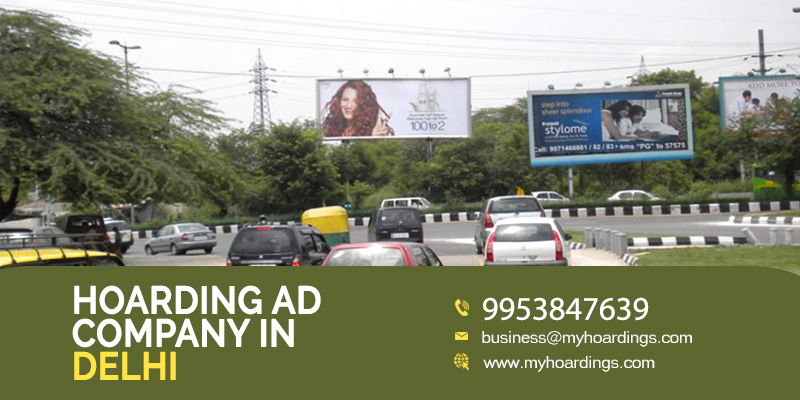
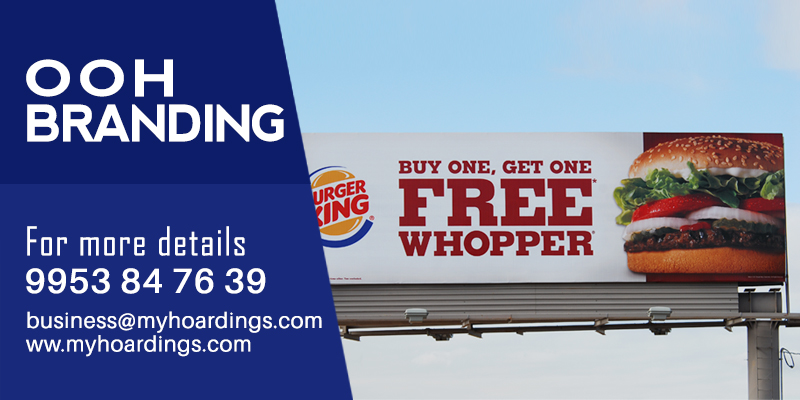
Hoardings are large size display boards usually placed in locations with heavy traffic in order to convey the brand's message to the commuters.
-
02
Bus Shelter
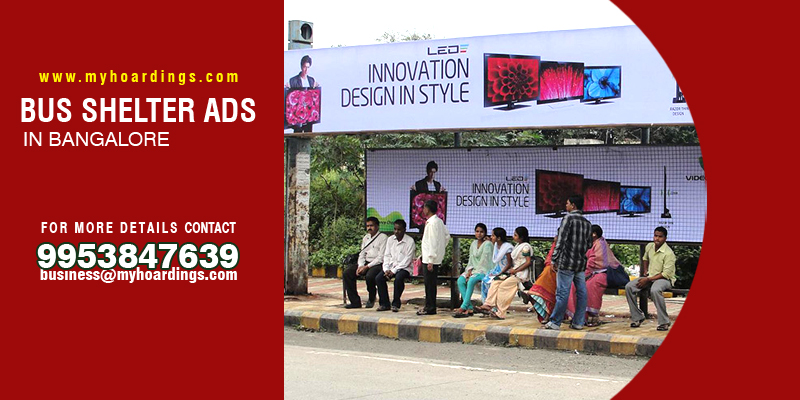
Bus stop ads or BQS are display spaces present on bus shelters in city limits. Creative ads can be displayed on 3 panels present on bus shelters.
-
03
Gantry Ads
Gantry or Skywalk advertising provides maximum visibility to the brand, specifically in heavy traffic areas.