“Innovation is seeing what everybody has seen and thinking what nobody has thought.” – Dr. Albert Szent-Györgyi
In India’s rapidly evolving advertising landscape, Digital Out-of-Home (DOOH) advertising has emerged as the game-changer in metro cities such as Delhi, Mumbai, Bengaluru, Hyderabad, and Chennai. While Traditional Out-of-Home (OOH) – billboards, posters, transit ads – has long been the backbone of brand visibility, the digital revolution is rewriting the rules of engagement.
Let’s explore, point by point, the key advantages of DOOH screen advertising over traditional OOH in Indian metro cities, with deep insights, real-world relevance, SEO-friendly details, and a call-to-action for brands aiming to capture urban attention.
1. Dynamic Content vs Static Displays
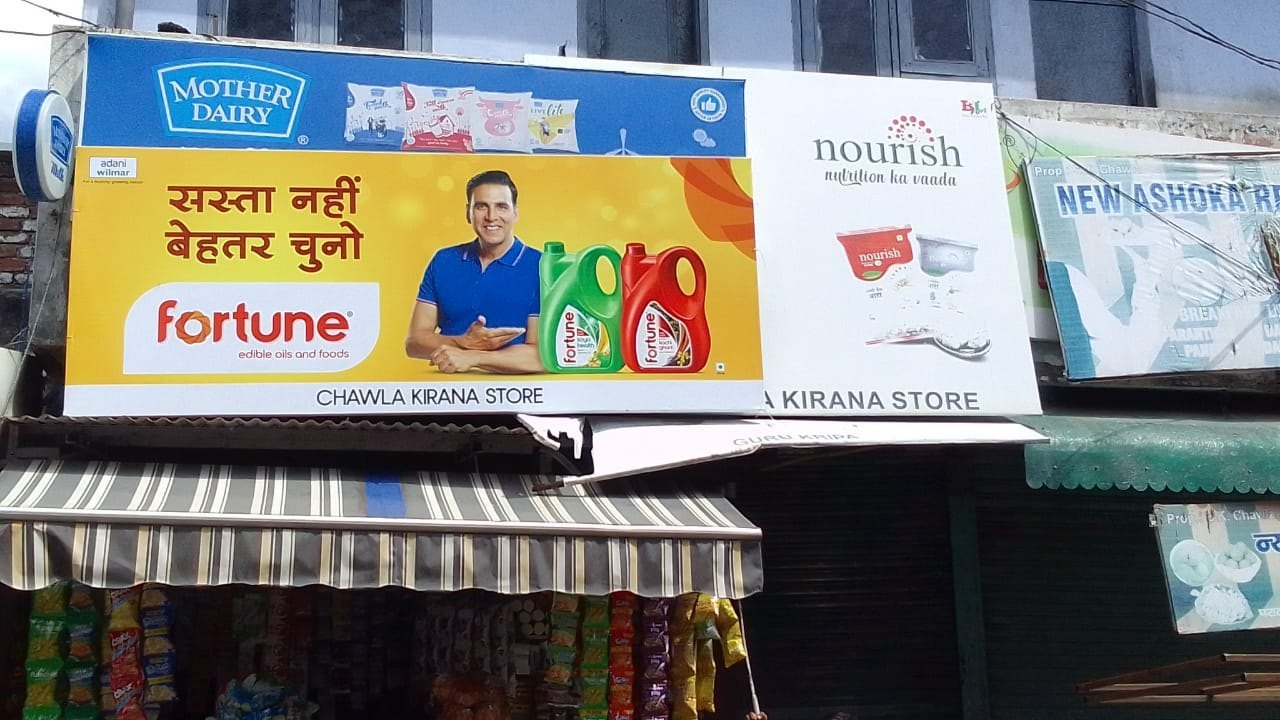
- Traditional OOH advertising relies on static displays – one message, one design, fixed for weeks. This can create monotony and limit the scope of creativity.
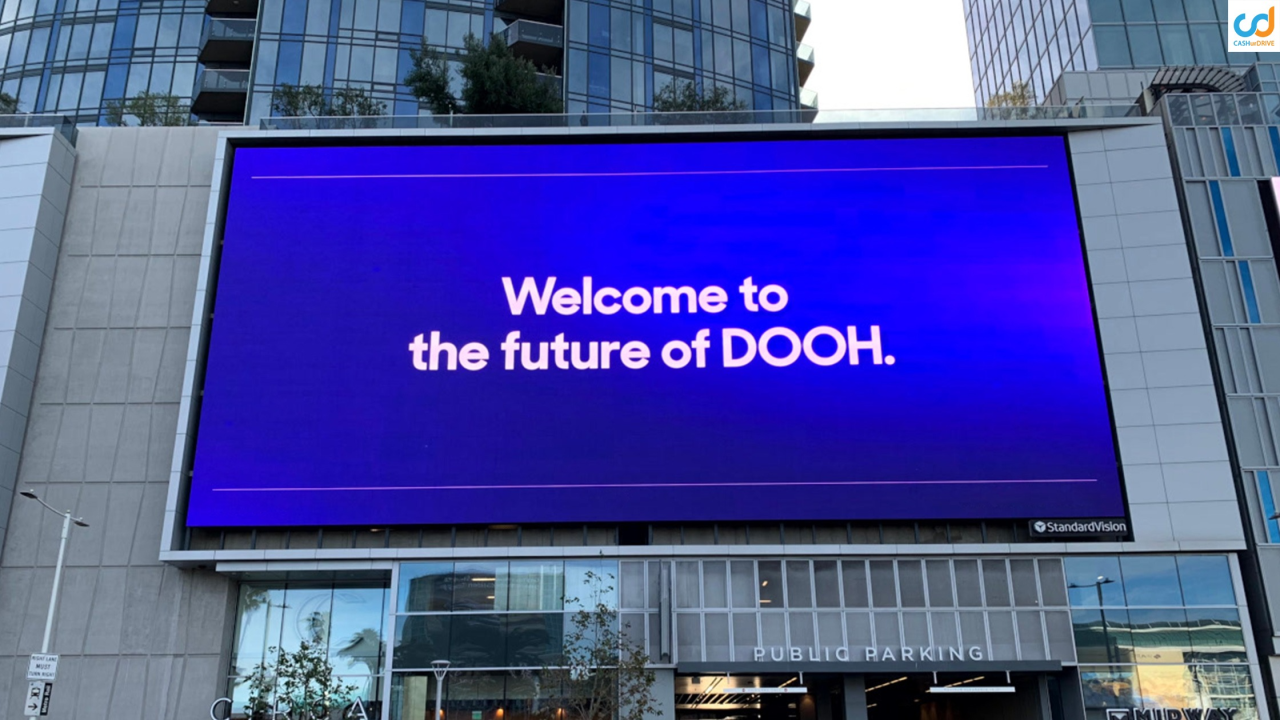
- DOOH screens, on the other hand, allow dynamic content rotation. Brands can run multiple ads on the same screen, update creatives in real time, and tailor messaging based on time of day, season, or even trending events.
- For example, a food delivery brand in Mumbai Metro can promote breakfast combos in the morning and midnight snacks in the evening, all on the same screen – something static billboards cannot achieve.

2. Cost Efficiency and ROI Optimization
- In metros like Delhi NCR, prime billboard spaces come at a heavy cost, yet the return is often diluted since the same static ad runs for weeks regardless of changing campaigns.
- DOOH enables programmatic buying, where brands pay only for specific time slots or impressions. This reduces wasteful spending and maximizes ROI.
- Example: A luxury brand in Bengaluru can run DOOH ads only during weekend evenings in premium malls, directly targeting their desired audience without bearing round-the-clock costs.
3. Audience Targeting and Real-Time Personalization
- One of the biggest breakthroughs of DOOH is data-driven targeting. Integrated with AI, mobile data, and geo-fencing, it allows advertisers to deliver personalized messages to the right audience.
- For instance, in Hyderabad’s Hi-Tech City, where IT professionals dominate, a fintech company can run DOOH campaigns with messages curated for tech-savvy investors.
- Unlike static OOH, which is one-size-fits-all, DOOH screens can adapt to demographics, weather conditions, or even live traffic updates.
4. High Engagement Through Motion and Interactivity
- Humans are naturally drawn to movement and light. DOOH’s vibrant screens with video, animation, and interactive features create stronger engagement than flat billboards.
- Examples include touch-enabled kiosks in Delhi Metro stations, AR-enabled DOOH at Mumbai malls, or gamified brand campaigns in Bengaluru Tech Parks.
- Traditional billboards cannot offer interactivity – they can only display. DOOH transforms the audience into participants.
5. Real-Time Updates and Agility
- In fast-paced metro life, information needs to be instant. DOOH allows real-time updates – whether it’s a flash sale, cricket score, weather alert, or breaking news.
- For example, during IPL in Chennai, beverage brands can display live scores and tie them with special offers.
- Static OOH, by contrast, requires manual replacement, printing delays, and cannot reflect current happenings.
6. Eco-Friendly and Sustainable Advertising
- Traditional billboards rely on large-scale printing, vinyl sheets, and frequent replacements – all of which add to waste and environmental damage.
- DOOH eliminates printing and paper use, operating instead on reusable digital screens. In cities like Bengaluru and Delhi, where sustainability drives policy, DOOH aligns with green advertising initiatives.
- Many DOOH providers are even integrating solar-powered screens to reduce energy footprints.
7. Better Analytics and Measurement
- One of the limitations of traditional OOH is the lack of accurate measurement. While traffic estimates exist, there is no exact way to track how many people viewed the ad or engaged with it.
- DOOH comes with advanced analytics – integrating sensors, mobile data, and AI – to measure impressions, dwell time, and audience demographics.
- In Delhi NCR airports, DOOH campaigns are measured against flight timings, passenger footfall, and engagement rates, giving brands clear ROI metrics.
8. Integration with Omni-Channel Campaigns
- Today’s consumer journey is hybrid – moving seamlessly from offline to online. DOOH can sync with mobile ads, social media, and even QR code activations, creating a connected experience.
- Example: A retail brand in Phoenix Mall, Mumbai, can run DOOH ads with QR codes that direct shoppers to exclusive app discounts.
- Traditional OOH, however, remains an isolated medium with no direct bridge to digital platforms.
9. Premium Brand Perception in Metro Cities
- Metro audiences perceive digital screens as modern, premium, and aspirational. Seeing a brand on a high-resolution LED at CyberHub, Gurugram instantly positions it as futuristic and trustworthy.
- Traditional billboards, while visible, often feel outdated in comparison to DOOH’s sleek appeal.
- This perception boost is crucial in metros where brand image and positioning can determine purchase decisions.
10. Scalability Across Metro Networks
- DOOH networks in metro cities – such as Delhi Metro screens, Mumbai airport displays, and Bengaluru IT park screens – allow campaigns to scale quickly across multiple touchpoints.
- With a few clicks, advertisers can launch pan-city campaigns with unified creative strategy, something traditional OOH struggles with due to printing and logistics challenges.
- Example: An e-commerce giant can simultaneously run festive campaigns across Delhi, Mumbai, Bengaluru, and Chennai within hours via DOOH.
11. Higher Recall and Longer Impressions
- Research shows that moving visuals are processed 60,000 times faster by the brain compared to static text.
- In metro cities, where people are bombarded with thousands of ads daily, DOOH’s digital brilliance ensures higher recall rates.
- Traditional OOH often blends into the background after repeated exposure, reducing effectiveness.
12. Flexibility in Campaign Duration
- Traditional OOH campaigns often lock brands into 30-day cycles due to print and installation costs. This makes short-term campaigns costly and impractical.
- DOOH, however, allows hourly, daily, or weekly scheduling, letting brands run seasonal offers or experimental ads without long-term commitments.
- Example: A food brand in Delhi Connaught Place can run weekend-only promotions through DOOH screens without bearing monthly costs.
13. Capturing Attention in High-Traffic Zones
- Metro cities thrive on constant movement – metro stations, airports, IT hubs, malls, highways.
- DOOH thrives in these environments by being bright, dynamic, and impossible to ignore.
- In contrast, traditional OOH often competes with clutter and poor lighting, reducing visibility.
14. Future-Proof Advertising Medium
- With 5G rollouts, AI-driven targeting, AR/VR integration, and smart city initiatives, DOOH is future-ready.
- In metro cities like Hyderabad and Bengaluru, DOOH is already integrating with IoT-enabled devices to create real-time contextual ads.
- Traditional OOH risks obsolescence if it cannot match the innovation and adaptability of DOOH.
Why DOOH Is Winning in Indian Metros
In a country where metro cities are the heartbeat of consumer behavior, DOOH has already proven itself as the next-gen leader in outdoor advertising. From dynamic storytelling to measurable results, from sustainability to personalization, DOOH brings precision, scale, and innovation that traditional OOH can no longer compete with.
Brands aiming to dominate urban landscapes must embrace DOOH as their primary outdoor advertising strategy, while using OOH only as a complementary support medium.
Maximize reach among high-income audiences through South Delhi’s premium outdoor spaces.
Upgrade from static to dynamic with interactive DOOH hoardings across metros.
Call to Action
🚀 If you are a brand, agency, or marketer targeting metro city audiences in India, now is the time to switch to DOOH.
Whether you want to capture eyeballs in Delhi Metro, connect with premium shoppers in Mumbai malls, or target IT crowds in Bengaluru, DOOH gives you the power of real-time engagement, measurable performance, and premium positioning.

👉 Start your DOOH campaign today and stay ahead of the competition in India’s dynamic metro markets.