“The brands that win in metros are those that meet audiences where they already are—on the move, connected, and visually engaged.”
In the crowded landscape of India’s metro markets, Digital Out-of-Home (DOOH) advertising gives brands an edge by delivering high visibility, dynamic content, and real-time targeting. But not all industries use DOOH in the same way. Some sectors gain disproportionate benefits thanks to the urban consumer lifestyle and digital-first habits.
Here’s a sector-wise breakdown 👇
1. FMCG (Fast-Moving Consumer Goods)
- Why it works:
- High-frequency products like snacks, beverages, and personal care rely on top-of-mind recall.
- DOOH’s mass reach in metro stations, malls, and street-level billboards ensures wide exposure.
- Examples:
- Cola brands running seasonal campaigns on LED walls in Connaught Place (Delhi).
- Snack brands using bus shelter DOOH screens near colleges in Mumbai.
- Key Benefit: Quick consumer impulse activation → “See now, buy now.”
2. Fashion & Lifestyle
- Why it works:
- Premium shoppers in metros spend time in malls, high streets, and airports.
- DOOH allows dynamic storytelling with high-resolution visuals and video.
- Examples:
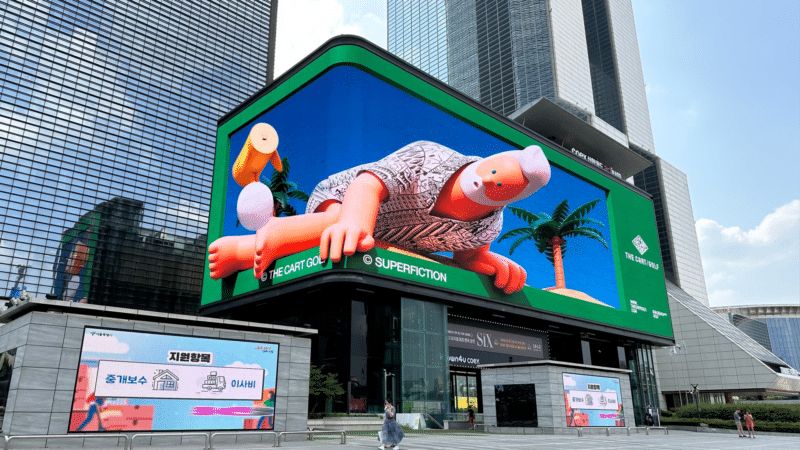
- Global apparel brands showcasing new collections on mall atrium video walls.
- Local boutique brands using escalator screens in premium malls like Phoenix Marketcity (Mumbai/Bengaluru).
- Key Benefit: Builds aspiration + lifestyle association with a premium audience.

3. Real Estate
- Why it works:
- Property decisions require trust, credibility, and visibility.
- Large DOOH billboards near affluent residential hubs, airports, and IT parks help establish brand presence.
- Examples:
- Luxury developers running ads on MG Road LED screens (Bengaluru).
- Builder campaigns on airport video walls in Mumbai targeting NRIs and HNIs.
- Key Benefit: Establishes scale and trustworthiness in crowded property markets.
4. E-Commerce & D2C Brands
- Why it works:
- Metro audiences are digitally savvy, smartphone-first consumers.
- DOOH allows QR codes, app download CTAs, and mobile retargeting.
- Examples:
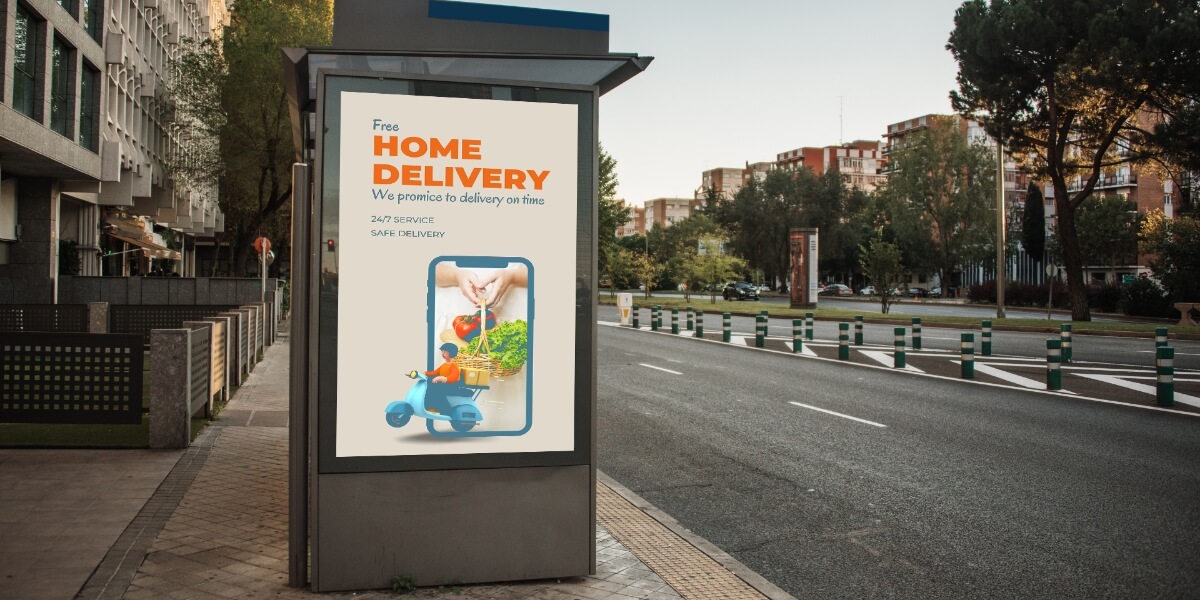
- Food delivery apps running real-time offers on transit screens during evening rush hours.
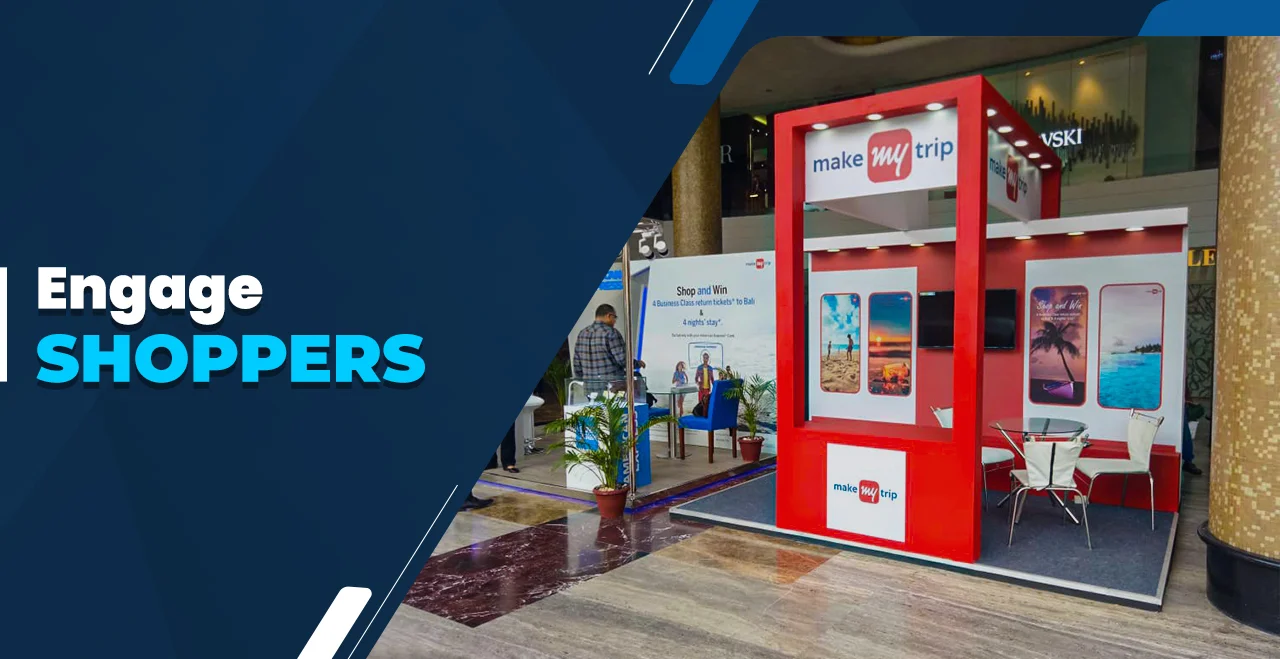
- D2C beauty brands using interactive mall kiosks with QR scans to shop instantly.
- Key Benefit: Direct funnel push from awareness → app engagement → purchase.
5. Fintech & Banking
- Why it works:
- Metros house India’s largest base of young professionals and entrepreneurs.
- DOOH allows fintech apps to educate + push adoption in high-footfall office and transit zones.
- Examples:
- Wallet apps using metro station screens to promote cashbacks.
- Banks running video campaigns at airports targeting business travelers.
- Key Benefit: Builds trust + modern image while pushing quick adoption.
6. Entertainment & OTT Platforms
- Why it works:
- DOOH provides massive visibility for launches, premieres, and new releases.
- Perfect fit for urban youth and family audiences in malls, metros, and high streets.
- Examples:
- OTT platforms using digital video walls for web series promos.
- Movie studios running countdown creatives on transit screens near colleges.
- Key Benefit: Creates buzz + urgency with motion graphics and countdowns.
7. Food & Beverage (Restaurants, Cafés, QSR Chains)
- Why it works:
- F&B thrives on impulse decisions and geo-targeting.
- DOOH near office hubs, malls, and metro exits captures hungry commuters at the right moment.
- Examples:
- Quick-service restaurants (QSRs) like pizza and burger chains showing time-sensitive offers (e.g., “Lunch Combo – Valid till 3 PM”).
- Cafés targeting co-working spaces via nearby street-level DOOH screens.
- Key Benefit: Immediate footfall conversion.
8. Healthcare, Fitness & Wellness
- Why it works:
- Urban professionals are health-conscious and spend on gyms, supplements, and wellness services.
- DOOH in tech parks and malls helps brands build authority + awareness.
- Examples:
- Gyms promoting new memberships near IT hubs in Whitefield, Bengaluru.
- Skincare & wellness clinics advertising at airport lounges in Delhi.
- Key Benefit: Builds trust + credibility while reaching affluent metro audiences.
9. Travel & Hospitality
- Why it works:
- DOOH inside airports, railway stations, and bus terminals captures millions of travelers.
- Perfect for airlines, hotels, and tourism boards.
- Examples:
- Luxury hotels running welcome ads at Mumbai airport arrival zones.
- Tourism boards using interactive kiosks with AR/VR experiences in malls.
- Key Benefit: Targets high-spending travelers and urban families.
Understand pricing structures and ROI of hoardings in Delhi, Mumbai, and Bengaluru.
Explore high-traffic areas like Connaught Place, Bandra, MG Road, and CyberHub.
✅ Top Industries That Thrive on DOOH in Metros
- Mass-Consumption (FMCG, F&B, E-commerce) → Best for frequency + recall.
- Aspirational (Fashion, Lifestyle, Real Estate) → Best for premium image-building.
- Digital-First (Fintech, D2C, OTT) → Best for tech-driven adoption.
- Service-Oriented (Healthcare, Travel, Hospitality) → Best for trust + conversions.

👉 The biggest advantage of DOOH is that it adapts to both impulse-driven categories (like food, FMCG, OTT) and long-decision categories (like real estate, healthcare, banking).