






Cost-Effectiveness vs. Measurability: The Radio Advertising Dilemma
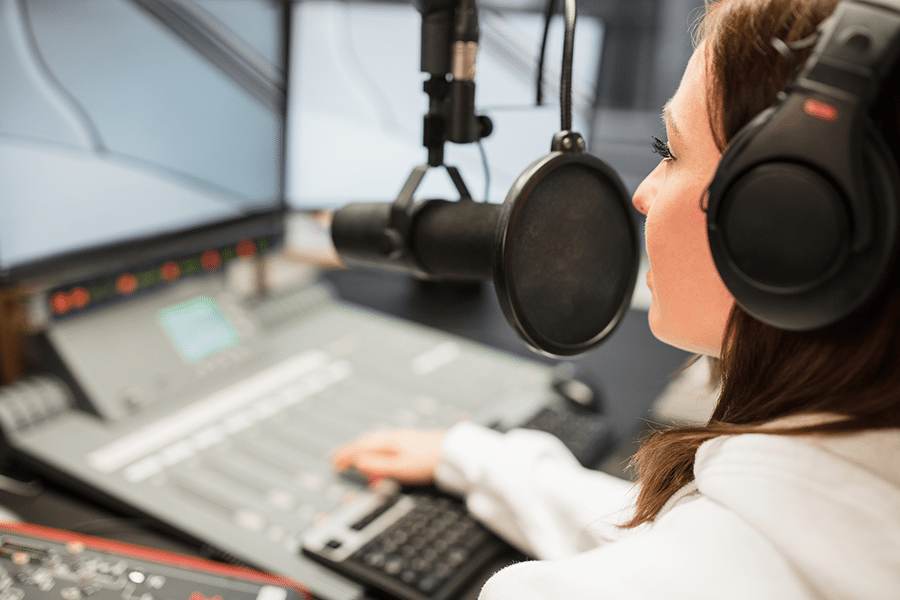
Radio ad campaigns offer high cost effectiveness but limited measurability compared to digital channels, making media mix planning essential for balanced ROI.
“In advertising, what you save in money, you may lose in measurement—and nowhere is this truer than in radio.”
Radio has been one of the most enduring advertising mediums, especially in India where it continues to reach millions across Tier 1, Tier 2, and Tier 3 markets. For small and medium enterprises (SMEs) as well as large brands, the low cost of radio advertising has always been one of its greatest strengths.
But as marketing budgets grow increasingly performance-driven, the biggest challenge radio faces is measurability. Unlike digital ads that provide click-through rates, impressions, and conversion data in real time, radio leaves advertisers with fewer tangible insights into return on investment (ROI).
This gives rise to a critical paradox in modern advertising—the Cost-Effectiveness vs. Measurability Dilemma.
1. Why Radio Is Still Highly Cost-Effective
Radio remains attractive because of its affordability and reach.
- Lower Production Costs: Creating a 30-second radio jingle or voice ad costs significantly less than producing a TV commercial or high-quality video ad.
- Cheaper Media Buys: Compared to television or print, radio spots are budget-friendly, allowing SMEs to advertise consistently without burning through resources.
- Scalable for Local Brands: Even small neighborhood stores or service providers can afford prime-time slots in local FM stations.
- High Frequency & Recall: With multiple repetitions throughout the day, ads are more likely to be remembered.

2. The Measurability Challenge
Despite being cost-friendly, radio’s biggest drawback is its limited measurability.
- No Direct Tracking: There’s no equivalent of “clicks” or “views” as in digital marketing.
- Listener Distraction: Audiences may be multitasking while listening, making impact hard to quantify.
- Limited Post-Ad Analytics: Brands usually rely on broad reach estimates rather than precise data.
- Attribution Issues: It’s difficult to link a customer’s purchase decision directly to a radio ad unless tracked carefully.
3. Why This Dilemma Matters for Modern Brands
In 2025, marketing departments operate on data-driven KPIs. Every campaign needs measurable outcomes to justify budget allocation.
- Digital vs. Radio: While digital offers detailed analytics, it is more expensive per impression in many cases. Radio, on the other hand, offers low-cost mass awareness but vague ROI tracking.
- SMEs’ Pain Point: Small businesses often choose radio for its affordability, but lack of tracking makes them hesitant to invest consistently.
- Big Brands’ Dilemma: National brands often combine radio with digital campaigns but struggle to assign exact attribution values.
4. Bridging the Gap: Solutions for Tracking Radio ROI
Marketers are finding creative ways to balance radio’s affordability with the need for measurability:
- Unique CTAs: Include campaign-specific phone numbers, coupon codes, or URLs
- Geo-Targeting: Compare sales uplift in regions where ads were broadcast versus control markets.
- Surveys & Feedback: Ask customers directly how they heard about the brand.
- Digital Integration: Sync radio ads with social media or search campaigns to observe traffic spikes.
- Radio + Mobile Synergy: Encourage listeners to send SMS, WhatsApp, or app interactions linked to the ad.
5. Case Scenarios: Balancing Cost and Data
- Local Retailer: A Tier 2 clothing store runs a radio jingle with a discount code announced by an RJ. Store visits rise 15%, giving measurable ROI while keeping costs low.
- National FMCG Brand: Runs a festive campaign across FM channels while also promoting the same offer on Google ads. Spikes in search traffic during radio campaign days suggest correlation.
- Tech Start-Up: Sponsors an RJ show segment, then tracks app downloads using a radio-exclusive link.
6. The Future: Tech Innovations in Radio Measurement
- Smart Radio + Digital Analytics: With the growth of internet radio and podcasts, programmatic buying and listener data will improve measurability.
- Voice AI Assistants: As people engage with Alexa, Google, and in-car infotainment, audio ads may soon come with direct response options.
- Hybrid Campaign Models: Brands will increasingly pair FM campaigns with digital extensions to track impact more reliably.
How Radio Advertising Boosts Recall and Brand Loyalty
Radio Advertising in Tier 2 and Tier 3 Cities: Opportunities and Barriers
Choosing Between Cost and Clarity
Radio’s affordability and reach make it a powerful medium for awareness, especially in non-metro India. But the lack of real-time measurability remains a roadblock in a performance-driven marketing era.
The way forward is not about choosing cost-effectiveness OR measurability, but about using creative tracking methods and integrating radio with digital platforms.

When done strategically, radio can deliver both—mass exposure at low cost and meaningful insights for ROI optimization.