India’s out-of-home advertising ecosystem is evolving rapidly. As digital screens multiply across urban landscapes, brands are increasingly searching for formats that go beyond visibility and create spectacle. In this context, anamorphic OOH advertising is emerging as one of the most talked-about innovations in the DOOH space.
By introducing the illusion of depth through 3D visuals, anamorphic displays are redefining how outdoor advertising captures attention. While still at a nascent stage, this format is gradually finding acceptance among brands willing to experiment with immersive storytelling.
What Is Anamorphic OOH Advertising?
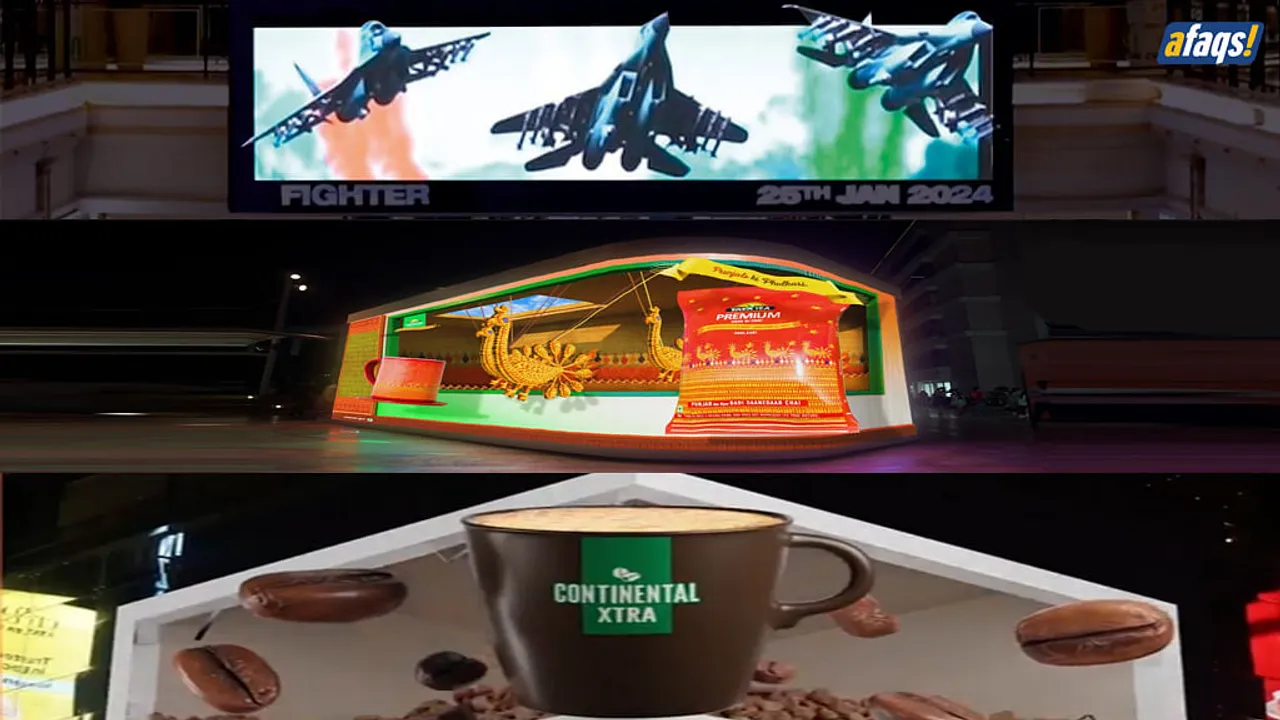
Anamorphic OOH advertising refers to specially designed 3D content created for digital billboards, typically using L-shaped or corner LED screens. When viewed from a specific angle, the visuals appear to extend beyond the physical screen, creating a dramatic depth effect.

Unlike standard DOOH creatives, anamorphic ads rely heavily on perspective, motion, and precision calibration. As a result, these displays often stop passersby in their tracks and generate high social media virality.
Why Anamorphic OOH Advertising Is Gaining Attention in India
Over the past year, several prominent brands have tested anamorphic OOH formats across metro cities. These executions have demonstrated that audiences respond strongly to immersive visuals, particularly in high-dwell environments.
The growing popularity can be attributed to multiple factors:
-
Increased availability of large-format LED screens
-
Rising demand for experiential brand storytelling
-
Strong social-media amplification of unique OOH formats
-
Brand fatigue toward conventional static creatives
Consequently, anamorphic advertising is being seen not just as media placement, but as a brand experience.
How Brands Are Experimenting with 3D DOOH Formats
Recent campaigns across Mumbai, Bengaluru, Kolkata, and other metros indicate a steady rise in experimentation. Brands across entertainment, beverages, technology, and building materials have begun using anamorphic visuals to dramatise product features.
These campaigns prove that when executed correctly, 3D OOH can transform a regular billboard into a public spectacle. However, the format demands careful planning and precise creative alignment.
What Goes Into Creating Anamorphic OOH Content
1. Specialised Storyboarding and Design
Anamorphic OOH creatives require a completely different design approach. Standard flat layouts do not work. Instead, agencies must build narratives that leverage depth, movement, and perspective.
This process includes:
-
Detailed storyboarding
-
3D modelling
-
Frame-by-frame animation design
-
Screen-angle simulation
Therefore, creative development becomes more time-intensive.
2. Longer Production Timelines
Unlike regular DOOH campaigns, anamorphic content typically requires 20–30 days of production time. This includes conceptualisation, animation, rendering, and multiple test runs to ensure accuracy.
As a result, brands must plan anamorphic campaigns well in advance.
What Are the Key Challenges Limiting Adoption?
High Production Costs
One of the biggest barriers remains cost. Creating 3D anamorphic content involves specialised talent, advanced software, and extended production cycles. Consequently, budgets often exceed traditional OOH allocations.
Limited Skilled Talent Pool
Since the format is still new in India, the number of experts capable of executing high-quality anamorphic visuals remains limited. This restricts scalability across multiple cities.

Infrastructure Constraints
Not all digital screens support anamorphic execution. L-shaped screens, high luminance panels, and accurate colour calibration are essential. Without the right infrastructure, the illusion fails to deliver impact.
Why Location Plays a Critical Role in Anamorphic OOH Success
Anamorphic advertising performs best in areas with high dwell time. Malls, plazas, airports, and ambient zones allow audiences enough time to view the illusion from the correct angle.
In contrast, high-speed drive routes may reduce effectiveness, as viewers may not remain long enough to experience the depth effect properly.
Therefore, location selection becomes just as important as creative execution.
Is Anamorphic Advertising a Metro-Centric Trend for Now?
At present, anamorphic OOH advertising remains largely metro-focused. Cities like Mumbai, Delhi NCR, Bengaluru, and Kolkata offer both the infrastructure and the audience maturity needed for such executions.
However, as production costs gradually decline and LED technology becomes more accessible, wider adoption across Tier 2 cities may follow.
What Role Technology Will Play in Future Growth
Advancements in:
-
High-luminance LED screens
-
Better colour calibration systems
-
Improved content rendering tools
-
Interactive DOOH capabilities
are expected to push anamorphic advertising further.
In the coming years, integration with motion sensors, AR elements, and real-time triggers could turn anamorphic OOH into an interactive medium rather than a passive display.
Why Anamorphic OOH Is More Than Just Visual Glamour
Beyond aesthetics, anamorphic advertising offers brands:
-
High memorability
-
Strong emotional engagement
-
Organic virality on social platforms
-
Premium brand perception
When storytelling aligns with format, the medium delivers both impact and recall.
Conclusion
Anamorphic OOH advertising represents the next evolutionary step in India’s DOOH journey. While challenges related to cost, infrastructure, and expertise remain, the growing appetite for immersive brand experiences is undeniable.
As screens improve and creative capabilities expand, the third dimension in outdoor advertising may soon shift from novelty to necessity. For brands willing to plan early and invest strategically, anamorphic OOH offers an opportunity to truly stand out in an increasingly cluttered urban landscape.