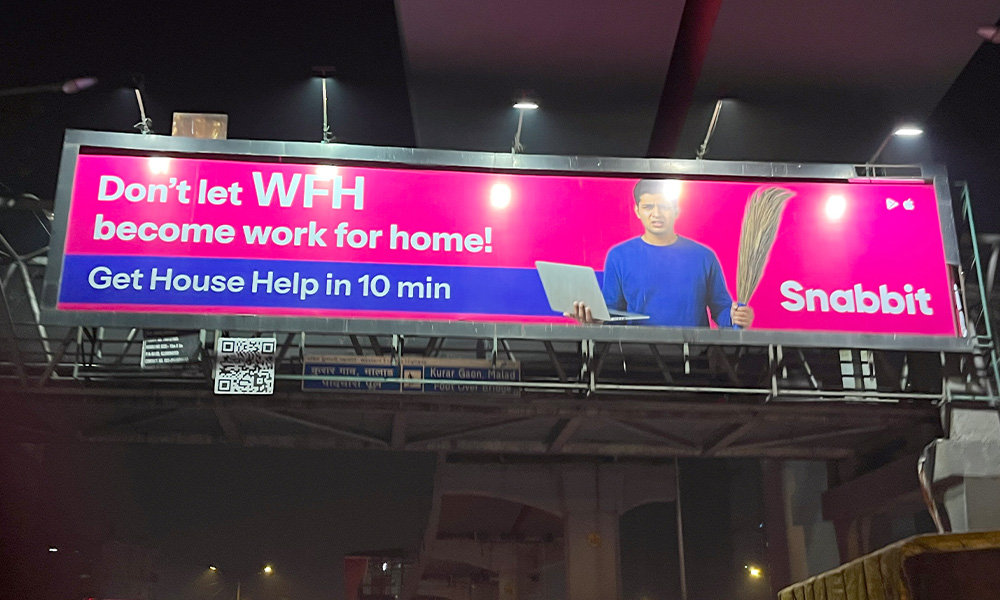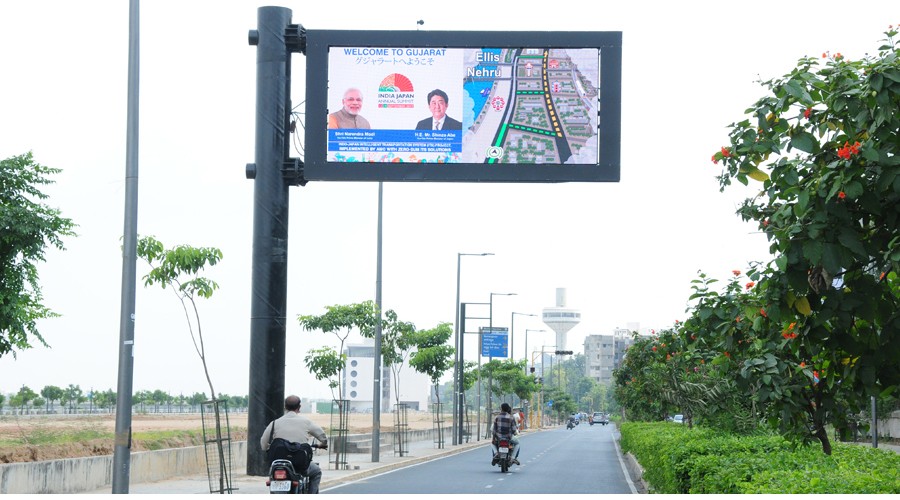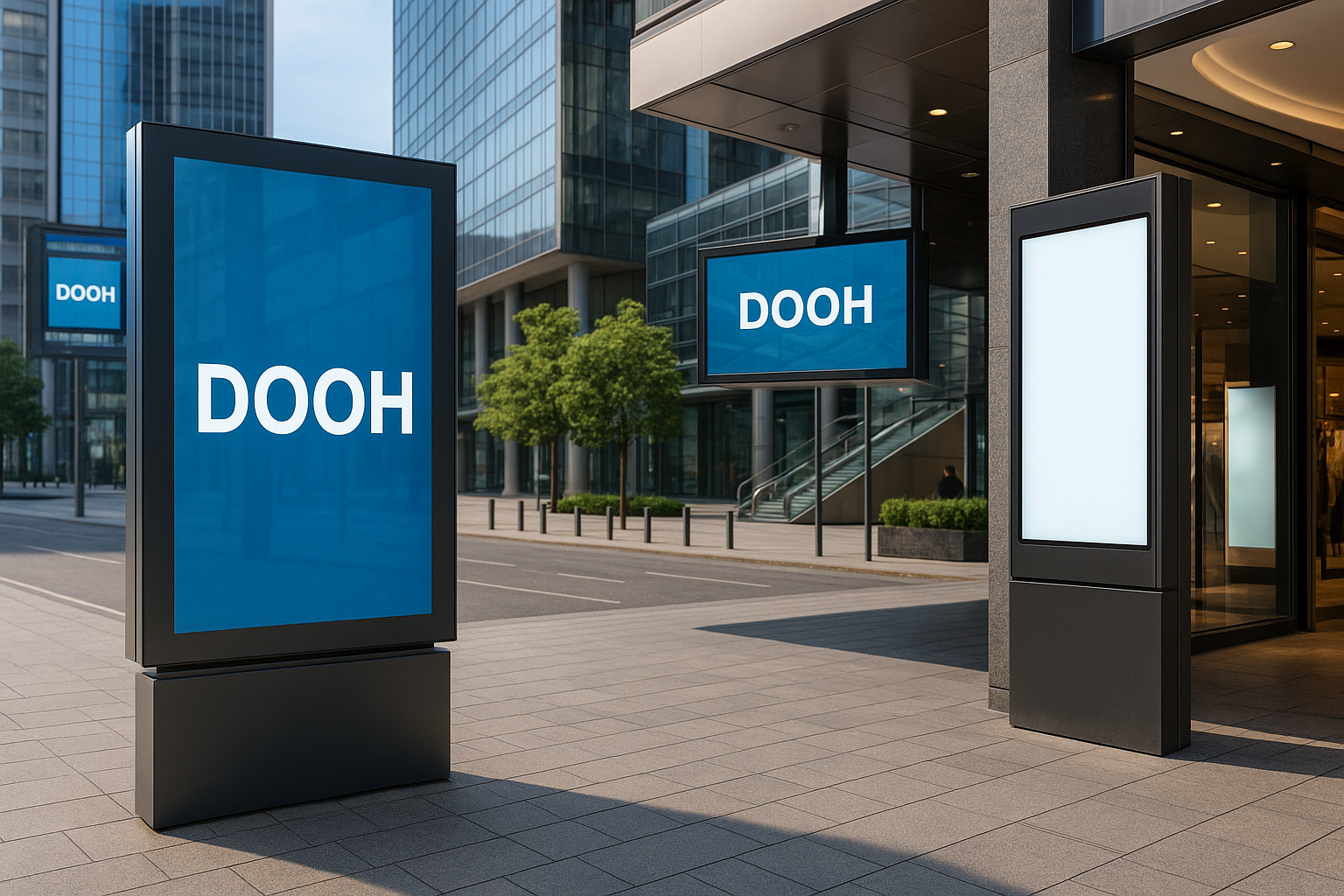
Digital Out-of-Home (DOOH) advertising India is revolutionizing the way brands connect with their audiences in public spaces. Unlike traditional billboards or posters, DOOH uses digital screens to deliver high-impact, dynamic content that can be updated in real-time. In India, this advertising format is experiencing rapid adoption, especially in urban hubs, thanks to increasing digital infrastructure, tech-savvy consumers, and growing demand for data-driven marketing.
So, what makes DOOH so game-changing—and how exactly is it reshaping the advertising landscape across India?
Understanding the Basics of DOOH Advertising
DOOH stands for Digital Out-of-Home, a modern evolution of conventional outdoor media formats. These ads are displayed on digital screens located in high-traffic areas such as:
-
Airports
-
Malls
-
Metro stations
-
Bus stops
-
Highways
-
Corporate parks
-
Retail environments
-
Residential complexes and elevators
What sets DOOH apart is its ability to run video content, animated creatives, and data-driven messages that can change based on time, weather, location, or even audience behavior.

Why DOOH is Gaining Momentum in India
-
Real-Time Content Control
With DOOH, advertisers can update messaging instantly—whether it’s launching a flash sale, changing a creative based on the time of day, or adjusting content for festive promotions. This real-time agility gives brands more control and responsiveness than static ads. -
Increased Engagement with Dynamic Displays
Moving visuals and video content naturally draw more attention than static images. This creates higher engagement rates, especially in areas with longer dwell times like malls, metro stations, or waiting lounges at airports. -
Data Integration and Targeting
Advanced DOOH platforms can be integrated with location data, audience profiling tools, and even weather or traffic sensors. This allows brands to serve contextually relevant ads, enhancing the overall campaign impact. -
Cost Efficiency in the Long Run
Though the initial cost per screen might be higher, DOOH campaigns save money in creative printing and distribution. They also allow ad rotation, which means multiple advertisers can share a single screen, lowering the cost for each. -
Environment-Friendly Option
With no paper waste or vinyl disposal issues, DOOH is considered a greener alternative in the advertising ecosystem.
How DOOH is Transforming Indian Advertising
-
Retail Revolution: Malls and large retail spaces are using DOOH to provide not only brand promotions but also interactive shopping experiences through QR codes and real-time offers.
-
Transit Media Evolution: Digital screens in metro trains, bus stops, and inside cabs are replacing static posters, making public transport advertising more flexible and trackable.
-
Residential Targeting: Gated communities and elevators now feature DOOH screens that display hyperlocal ads targeting residents based on neighborhood preferences.
-
Smart Cities Integration: With the Indian government pushing for smart city development, DOOH is becoming a core element of public information systems—offering both brand visibility and utility messaging.
Challenges in DOOH Advertising in India
While DOOH is promising, it comes with its own set of challenges:
-
Limited Inventory in Smaller Cities: DOOH adoption is still urban-centric, with Tier 2 and 3 cities lagging behind.
-
Infrastructure Dependency: Consistent power supply, screen maintenance, and internet connectivity are crucial for seamless execution.
-
Regulatory Guidelines: Some states or city municipalities have limitations on the size, location, or brightness of DOOH screens.
However, with technology getting cheaper and government initiatives around digital infrastructure growing, these barriers are being addressed steadily.
About MyHoardings
At MyHoardings, we help brands transition into the future of outdoor advertising with cutting-edge DOOH campaigns across India. From large-format LED screens to elevator digital panels, we offer end-to-end planning, execution, and content management tailored to your target audience and budget.
Partner with us to amplify your brand’s voice in a smarter, faster, and more dynamic way.
? Call: 9953847639
? Visit: www.myhoardings.com
? Email: business@myhoardings.com
World’s Best Advertising Agencies
-
 1
1Dentsu
Dentsu Inc. is a Japanese international advertising and public relations joint stock company headquartered in Tokyo. Dentsu is the largest advertising agency in Japan and the fifth largest advertising agency network in the world in terms of worldwide revenues.
-
 2
2Publicis Groupe
Publicis Groupe is a French multinational advertising and public relations company. One of the oldest and largest marketing and communications companies in the world, it is headquartered in Paris. After 1945, the little-known Paris-based advertising agency grew rapidly, becoming the world's fourth-largest agency.
-
 3
3Ogilvy
Ogilvy is a New York City-based British advertising, marketing, and public relations agency. It was founded in 1850 by Edmund Mather as a London-based agency. In 1964, the firm became known as Ogilvy & Mather after merging with a New York City agency that was founded in 1948 by David Ogilvy
-
 4
4WPP
WPP plc is a British multinational communications, advertising, public relations, technology, and commerce holding company headquartered in London, England. It is the world's largest advertising company, as of 2023.
-
 5
5The Interpublic Group of Companies
The Interpublic Group of Companies, Inc. is an American publicly traded advertising company. The company consists of five major networks: FCB, IPG Mediabrands, McCann Worldgroup and MullenLowe Group.
-
 6
6Omnicom Group
Omnicom Group Inc. is an American global media, marketing and corporate communications holding company, headquartered in New York City.
-
 7
7Havas
Havas SA is a French multinational advertising and public relations company, with its registered office and head office in Puteaux, France. Havas operates in more than 100 countries.
-
 8
8McCann
McCann, formerly McCann Erickson, is an American global advertising agency network, with offices in 120 countries.
-
 9
9BBDO
BBDO is a worldwide advertising agency network, with its headquarters in New York City. The agency originated in 1891 with the George Batten Company, and in 1928, through a merger with Barton, Durstine & Osborn, the agency became Batten, Barton, Durstine & Osborn.
-
 10
10DDB Worldwide
DDB Worldwide Communications Group LLC, known internationally as DDB, is a worldwide marketing communications network. It is owned by Omnicom Group, one of the world's largest advertising holding companies.