Food & Beverage Pop-Ups with Static Terminal Branding at Metro Airports
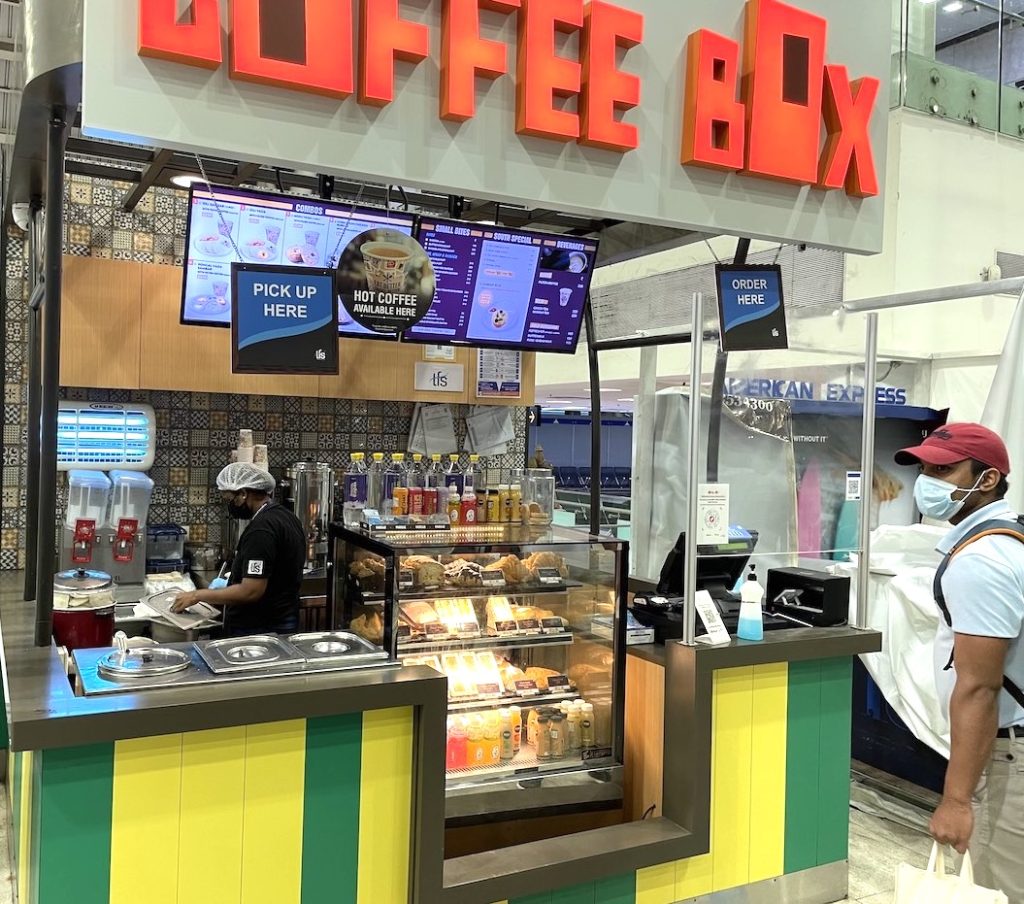
Food & Beverage Pop-Ups with Static Terminal Branding at Metro Airports
Food & Beverage Pop-Ups with Static Terminal Branding at Metro Airports have emerged as a powerful brand activation format for F&B companies looking to engage premium, high-intent audiences. Metro airports today are no longer just transit points; instead, they function as lifestyle hubs where travellers are relaxed, curious, and open to discovery.
By combining temporary food & beverage pop-up counters with static terminal branding, brands create immersive experiences that go beyond visibility. As a result, travellers do not just see the brand—they taste, experience, and remember it.
Why Metro Airports Are Ideal for F&B Pop-Ups
High Dwell Time and Leisure Mindset
Passengers typically spend significant time at:
-
Check-in halls
-
Security holding zones
-
Departure lounges
Therefore, food & beverage pop-ups with static terminal branding at metro airports benefit from long dwell time and a mindset where travellers actively look for food, beverages, and quick indulgences.
Premium, Brand-Safe Environment
Metro airports offer clean, regulated, and high-quality infrastructure. This setting automatically elevates brand perception, which is especially valuable for:
-
Gourmet food brands
-
Premium beverage labels
-
New-age D2C F&B startups
What Are F&B Pop-Ups with Static Terminal Branding?
Temporary Food & Beverage Counters
Pop-ups usually include:
-
Sampling kiosks
-
Limited-time food stalls
-
Beverage tasting counters
These pop-ups allow brands to test products, launch new variants, or create buzz without committing to permanent retail space.
Static Terminal Branding as a Visibility Multiplier
Static branding includes:
-
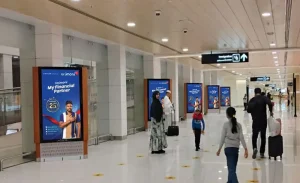
Backlit panels
-
Wall wraps
-
Pillar branding
-
Directional signages
When combined with pop-ups, static terminal branding ensures visibility before, during, and after the interaction.
Strategic Locations for F&B Pop-Ups Inside Airports
Departure Terminals and Lounges
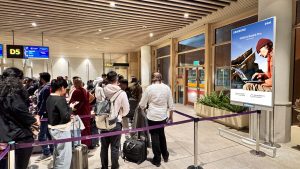
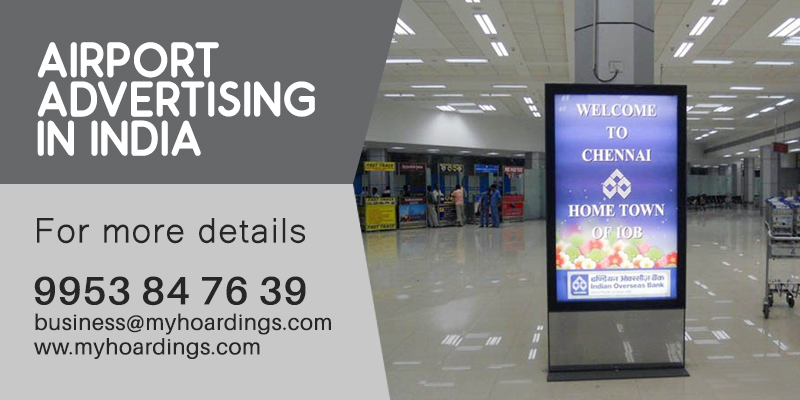
Departure areas work best because travellers are unhurried and more willing to explore. For example, hubs like Indira Gandhi International Airport, Chhatrapati Shivaji Maharaj International Airport, and Kempegowda International Airport attract high volumes of domestic and international flyers.
Security Exit and Boarding Gate Zones
These zones capture passengers right after security checks, when food and beverage needs peak. Consequently, pop-ups here see higher engagement and sampling rates.
Creative and Execution Strategy for Airport F&B Activations
Product-First, Sensory-Led Design
Successful food & beverage pop-ups with static terminal branding at metro airports focus on:
-
Visible food preparation
-
Attractive packaging displays
-
Strong aroma and visual cues
This sensory approach naturally draws footfall.
Clean, Bold Static Branding
Since airports have strict design guidelines, static branding is kept:
-
Minimal
-
High-contrast
-
Easily readable from a distance
This ensures the brand stands out without cluttering the terminal aesthetic.
Why Static Branding Matters Alongside Pop-Ups
Extending Reach Beyond the Counter
Not every traveller stops at the pop-up. However, static terminal branding ensures that even passersby are exposed to the brand multiple times across their airport journey.

Reinforcing Brand Recall Post-Experience
Travellers who sample a product later encounter the same branding near gates or corridors. As a result, memory retention improves significantly.
Benefits for Food & Beverage Brands
Trial-Driven Awareness
Airports allow F&B brands to offer live trials to:
-
Business travellers
-
International flyers
-
Urban consumers
This audience often becomes early adopters and word-of-mouth advocates.
Premium Brand Association
Being present at a metro airport instantly elevates brand stature, especially for emerging or premium F&B labels.
Market Testing Before Scale
Pop-ups help brands test:
-
New flavours
-
Packaging formats
-
Pricing response
Insights from airport activations can guide wider retail or city-level launches.
Advantages Over Traditional Mall or Street Activations
Higher Audience Quality
Airport audiences generally have higher spending power and brand receptivity compared to random street footfall.
Controlled Environment
Weather, crowd control, and brand safety are far better managed at airports.
Strong Social Media Amplification
Travellers often photograph and share unique food experiences. Consequently, airport pop-ups generate organic digital visibility beyond the terminal.
Measuring the Impact of Airport F&B Pop-Ups
Although experience-led, performance can be tracked through:
-
Sampling volume
-
Footfall counts
-
QR-based offers
-
Social media mentions
-
Post-exposure brand recall studies
Therefore, food & beverage pop-ups with static terminal branding at metro airports can be aligned with both branding and engagement KPIs.
Key Learnings for F&B Marketers
This format proves that:
-
Experience drives stronger recall than visibility alone
-
Airports offer unmatched trial opportunities
-
Static branding amplifies live activations
-
Premium context enhances product perception
Hence, airport pop-ups should be part of launch, relaunch, and seasonal marketing strategies.
Conclusion
Food & Beverage Pop-Ups with Static Terminal Branding at Metro Airports offer a high-impact blend of experience, visibility, and premium positioning. By engaging travellers through taste and reinforcing memory through static branding, F&B brands can create lasting impressions at one of the most influential consumer touchpoints.
For food and beverage companies aiming to connect with urban, affluent, and globally mobile audiences, metro airport activations represent a powerful and future-ready branding opportunity.