In-Flight Advertising in India vs. Dubai: Market Insights and Brand Opportunities
In-Flight Advertising in India vs. Dubai: Market Insights and Brand Opportunities
In-flight advertising sits at the intersection of premium audiences and captive attention. But not all airline markets are the same. India’s fast-growing domestic aviation scene and Dubai’s globally connected, premium carrier ecosystem offer different ad formats, pricing dynamics, and audience profiles. Below is a practical, publisher-ready comparison that helps marketers decide where and how to spend on in-flight media.
Quick snapshot
- India (IndiGo, SpiceJet, Vistara, Air India): large domestic passenger pool, cost-efficient print & cabin inventory, growing international capacity; best for national rollouts and high-frequency reach.
- Dubai/UAE (Emirates, Etihad, flydubai): premium international travelers, higher CPM/rate cards, rich digital/IFE opportunities and longer shelf life of exposures; ideal for luxury, travel, and global brands.
1) Ad formats: what’s available (and where)
India (typical formats)
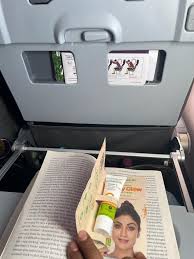
- In-flight magazines (full-page, double-page, covers).
- Cabin placements: seat-back, bulkhead, tray inserts, overhead panels.
- Limited in-flight entertainment (IFE) or digital ads, more common on full-service carriers (Vistara, Air India) than low-cost carriers.
Evidence: carrier media kits (Hello 6E, Vistara, SpiceRoute) list magazine placements plus cabin and seat formats as primary inventory.
Dubai / UAE (typical formats)
- Premium print (Emirates Open Skies): large full-page and integrated digital iPad/app editions.
- Rich IFE ad inventory (video, interactive hotspots) on long-haul carriers.
- Airport + lounge integration frequently offered as packages.
Emirates’ Open Skies media kit explicitly lists iPad/digital packages and premium print rates; Etihad and flydubai also promote IFE and onboard/video options.
Takeaway: Dubai carriers provide more digital/IFE and international-reach formats; Indian carriers emphasize print + cabin formats plus growing IFE on full-service operators.

2) Pricing trends & examples
General trend: Dubai (Gulf) carrier rates are materially higher per inventory unit than Indian carriers because of higher yield passengers, international reach, and premium inventory (video/interactive IFE). Industry media kits confirm higher USD rate cards for Emirates/Etihad versus INR rates for Indian magazines and cabin placements.
Example line items (indicative — check live rate cards for current numbers):
- SpiceJet – SpiceRoute (India): media listings show full-page ads and cabin placements; third-party aggregators list sample full-page magazine rates in the ballpark of ₹1.5–2.5 lakh per insert and per-aircraft cabin placements with monthly packages. (rate aggregators / media kits).
- Emirates – Open Skies (Dubai): older Emirates media kit lists premium digital/full-page packages quoted in USD (for example, iPad app placements and premium full-page slots often several thousand USD). That premium reflects the international, high-yield passenger base.
What the numbers mean for ROI:
- India = Lower CPM, higher frequency: better for awareness campaigns that need repeated domestic exposure.
- Dubai = Higher CPM, higher yield: better for niche luxury, global brand, and product launches targeting affluent/international flyers.
3) Passenger demographics & value of audience
India
- Large and growing domestic travel market; carriers like IndiGo dominate domestic volumes and are expanding international routes — useful for brands seeking scale across Indian metros and South Asia. IndiGo/Hello 6E and Vistara media kits position their readership as upwardly mobile, aspirational domestic travelers.
Dubai / Emirates & Etihad
- Emirates’ Open Skies media kit highlights that frequent Emirates passengers are much more likely to be high-income (the kit cites multipliers for high net worth segments), making its readership attractive for luxury, finance, and global retail advertisers. Etihad’s media offering likewise targets international premium passengers.
Practical marketing implication: brands selling aspirational or high-ticket products (luxury, premium finance, international education, travel/hospitality) will often get better conversion rates through Dubai carrier placements; mass-market consumer goods and services see scalable impact in India.
4) Shelf life, attentiveness & measurement
- Shelf life: In-flight magazines circulate beyond a single flight (lounges, repeat flights), giving long tail exposure. Emirates/Open Skies and Indian inflight mags both capitalize on this — but Emirates’ global distribution often increases exposure across networks.
- Attention environment: Passengers are a captive, low-distraction audience; average dwell time on magazines/IFE is meaningful for brand storytelling.
- Measurement: Dubai carriers offer richer IFE analytics (video plays, interactions). Indian carriers increasingly provide route/fleet reports and scans (QR/URL redemptions), but traditionally print/cabin placements have sparser direct measurement.
5) Market direction & forecast
The global in-flight retail & advertising market is growing — forecasts expect material CAGR in the coming decade, driven by rising air travel and more monetization of IFE and digital touchpoints. This growth benefits both India and Gulf markets, but Dubai’s premium ecosystem will capture proportionately more premium ad spend per passenger.
6) Tactical recommendations for brands
If you’re targeting India (scale & cost efficiency):
- Prioritise magazine full pages + cabin placements on high-frequency domestic carriers (IndiGo, SpiceJet) to build broad awareness. Use short URLs / QR codes to measure engagement.
- For premium targeting, add Vistara or Air India placements (they offer better IFE/digital inventory).
If you’re targeting Dubai / international affluent flyers:
- Invest in Emirates/Etihad for prestige placements (magazine covers, iPad app/IFE video) and integrated airport/lounge packages. Expect higher CPMs but higher purchase intent.
- Combine print with IFE video or interactive hotspots to capture attention and measure engagement.
Hybrid approach for cross-border brands:
- Run synchronized campaigns — Indian inflight magazines + Emirates/Etihad placements — to reach domestic aspirational audiences and international travelers with a unified creative and tracking codes.
7) How to buy & measure smarter
- Ask for media kits and sample readership breakdowns (seat class, route mix, business vs leisure split). Use these to target routes with the right yield.
- Bundle print + digital IFE where possible for measurability (video views, clicks).
- Use promo codes / QR codes / shortened URLs on print to track direct response from inflight placements.
- Negotiate geographic add-ons (airport lounges, transfer corridors) to amplify impressions.

Final thought
Both India and Dubai present attractive, but distinct, in-flight advertising opportunities. India gives scale and cost-effective domestic reach; Dubai gives premium, international exposure with richer digital inventory. The smartest marketers match format to objective — frequency and scale on Indian carriers, prestige and conversion on Gulf carriers — and measure with unified CTAs and digital hooks.