What types of airport advertising formats are available (billboards, digital screens, baggage trolleys, aerobridges, lounges, etc.)?
Types of Airport Advertising Formats: Billboards, Digital Screens, Trolleys & More
Airport advertising offers one of the most diverse media ecosystems in out-of-home (OOH) marketing. Brands can engage travelers across multiple touchpoints—from entry to boarding and even on arrival. Therefore, understanding what types of airport advertising formats are available helps advertisers design high-impact, well-integrated campaigns.
Unlike traditional outdoor media, airport formats benefit from high dwell time, premium surroundings, and a captive audience. As a result, each format serves a specific role within the passenger journey.
1. Airport Billboards and Large-Format Hoardings
Airport billboards are typically placed:
-
At terminal entrances
-
On approach roads
-
Inside arrival and departure halls
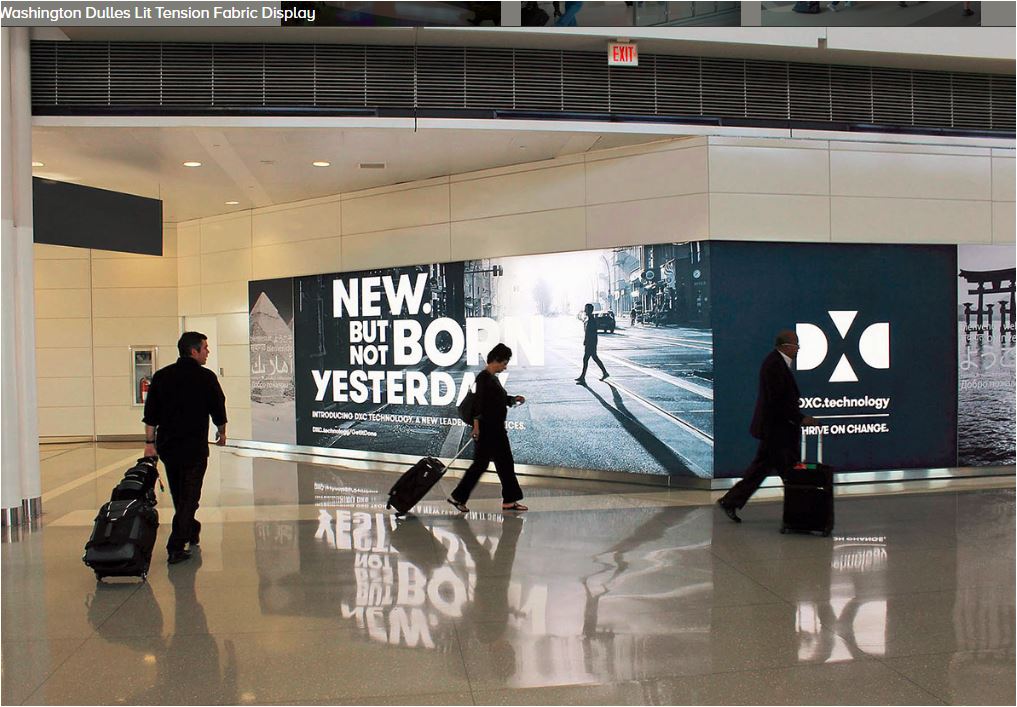
These formats deliver immediate, high-impact visibility. Moreover, they work well for bold brand messaging and product launches. Because of their size and placement, airport hoardings are ideal for mass awareness and top-of-funnel branding.
2. Digital Screens and DOOH Advertising
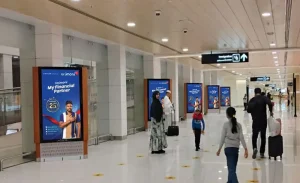
Digital screens are among the most effective airport advertising formats today. These include LED walls, LCD panels, and video screens placed across terminals.
Key advantages include:
-
Dynamic and animated creatives
-
Multiple creatives in rotation
-
Time-of-day or audience-based messaging
Therefore, digital airport advertising is perfect for storytelling, promotions, and premium brand campaigns. Additionally, DOOH formats allow better performance tracking compared to static media.
3. Check-In Counter and Self Check-In Kiosk Branding
Check-in areas witness long queues and extended waiting times. Hence, branding on:
-
Check-in counters
-
Back walls
-
Self-service kiosks
delivers high recall. This format is especially effective for BFSI, telecom, airlines, travel services, and luxury brands that want focused exposure during high-dwell moments.
4. Security Hold Area Advertising
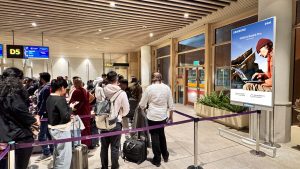
Security zones are among the highest dwell-time areas inside an airport. Passengers spend uninterrupted time here, often with limited distractions.
Advertising formats include:
-
Digital screens
-
Wall panels
-
Overhead banners
As a result, security-area advertising delivers repeated exposure and strong message absorption, making it one of the most premium airport media options.
5. Baggage Trolley Advertising
Baggage trolley branding is a highly mobile and visible airport advertising format. Since trolleys move throughout terminals, brands gain exposure across multiple zones.
Advantages include:
-
High repetition
-
Visibility across arrival and departure areas
-
Strong recall through utility-based usage
Therefore, baggage trolley advertising works well for mass and premium brands alike.
6. Conveyor Belt and Baggage Claim Advertising
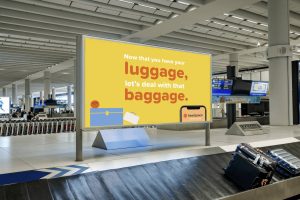
Arrival halls offer a relaxed audience mindset. Conveyor belt advertising ensures that brands remain in constant view while passengers wait for luggage.
This format benefits from:
-
Long dwell time
-
Minimal visual clutter
-
Repeated exposure
Consequently, baggage claim advertising is ideal for real estate, education, hospitality, and local services targeting arriving passengers.
7. Aerobridge and Jet Bridge Advertising
Aerobridge advertising engages passengers at a highly exclusive moment—just before boarding or immediately after landing.
Since every passenger must pass through aerobridges, this format guarantees 100% visibility for that flight segment. Hence, it is considered a premium, high-impact placement, especially effective for luxury and global brands.
8. Airport Lounge Branding
Lounges attract premium travelers, business-class passengers, and frequent flyers. Advertising formats inside lounges include:
-
Digital screens
-
Table-top branding
-
Charging station branding
-
Wall panels
Because the audience is affluent and relaxed, lounge advertising delivers exceptional brand perception and engagement. Therefore, it is ideal for BFSI, luxury, technology, and lifestyle brands.
9. Floor Graphics and Wayfinding Media
Floor decals, directional signage, and wayfinding panels subtly integrate branding into passenger movement paths.
These formats:
-
Guide passengers while reinforcing brand presence
-
Deliver repeated exposure
-
Feel non-intrusive
As a result, floor and wayfinding advertising supports both visibility and user experience.
10. Experiential and Immersive Airport Advertising
Some airports allow experiential formats such as:
-
3D installations
-
Interactive kiosks
-
Product displays and demo zones
These formats create memorable brand experiences. Although approvals are stricter, experiential airport advertising delivers high engagement and social media amplification.
Conclusion
In conclusion, airport advertising formats range from billboards and digital screens to baggage trolleys, aerobridges, lounges, and immersive installations. Each format serves a specific purpose along the passenger journey.
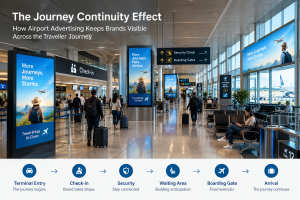
Therefore, the most effective airport advertising strategies combine multiple formats. When planned strategically, this creates layered visibility, stronger recall, and premium brand impact across touchpoints.