How does airport advertising support brand recall and long-term brand positioning?
Learn how airport advertising boosts brand recall and builds long-term brand positioning through premium exposure.
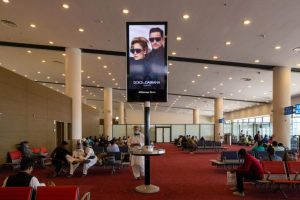
Airport advertising plays a unique role in brand building. Unlike many outdoor formats, it reaches audiences when they are attentive, relaxed, and receptive. Because of this, airport media doesn’t just drive short-term visibility. Instead, it strengthens brand memory and long-term positioning.
Let’s break down how and why this works.
1. High Dwell Time Creates Stronger Memory
Airports are not pass-through spaces. Travelers wait. They observe. They spend time.
From check-in to security, lounges to boarding gates, passengers experience long dwell times. As a result, ads are seen repeatedly and for longer durations. This repeated exposure improves brand recall far more than a quick roadside glance.
In short, more time equals stronger memory.
2. Premium Environment Elevates Brand Perception
Airports are associated with trust, scale, and aspiration. Therefore, brands advertising here benefit from contextual credibility.
When audiences see a brand in an airport, they subconsciously associate it with:
-
Size and leadership
-
Financial strength
-
Reliability and quality
Over time, this association helps position the brand as established and dependable, even without direct messaging.
3. Repetition Across Multiple Touchpoints Builds Recall
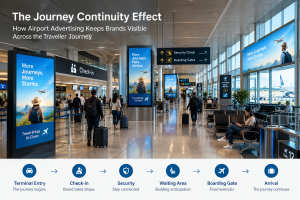
Airport advertising works as a journey, not a single exposure.
A traveler may see the same brand at:
-
Entry roads
-
Terminal entrances
-
Check-in areas
-
Security queues
-
Lounges
-
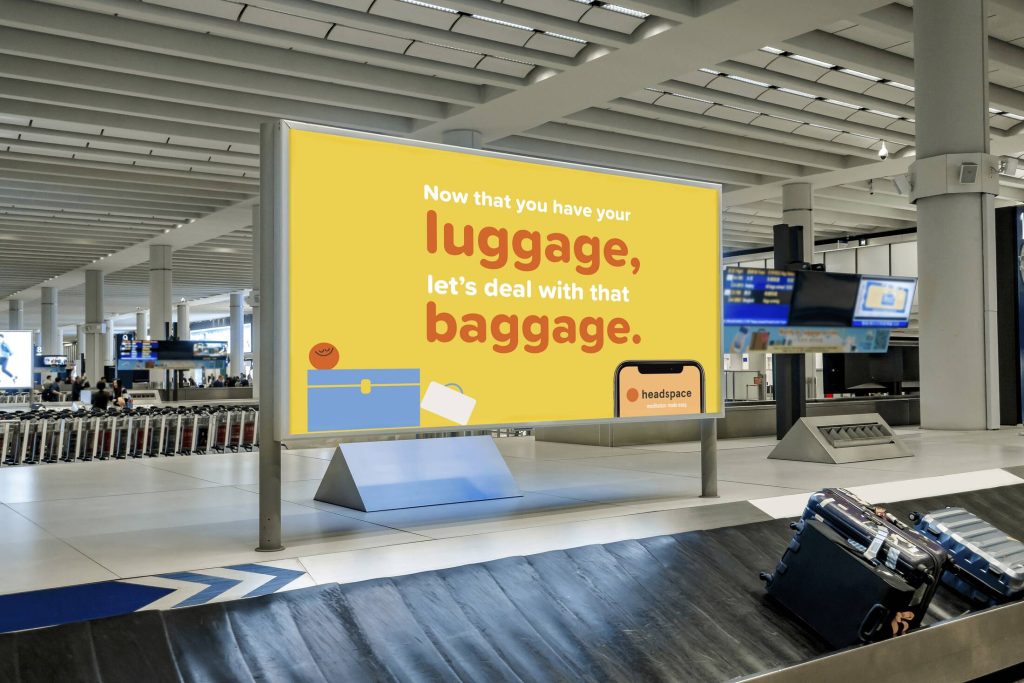
Baggage claim
This layered exposure reinforces memory. Moreover, seeing the same brand in different formats strengthens top-of-mind awareness.
4. Decision-Ready Audience Improves Message Impact
Airport audiences include business travelers, professionals, investors, and affluent consumers. These groups are often decision-makers.
Because they travel frequently, they see airport ads multiple times over months or years. This consistency supports long-term brand positioning, especially for high-value categories like BFSI, real estate, automotive, and technology.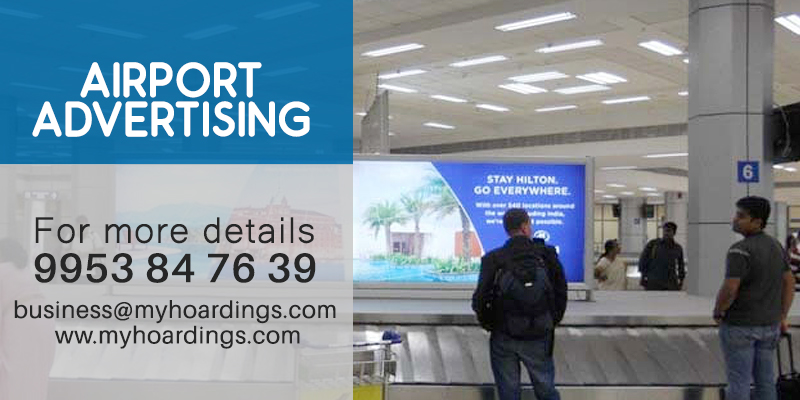
In other words, airport advertising builds familiarity before purchase intent peaks.
5. Low Distraction Improves Message Retention
Compared to mobile or social media, airport environments have less ad clutter. Travelers are not scrolling. They are waiting.
This reduced distraction allows:
-
Better message comprehension
-
Higher logo recall
-
Clear brand association
Consequently, even simple creatives leave a lasting impression.
6. Long-Term Presence Signals Stability
Brands that advertise at airports often commit to longer campaign durations. This consistency sends a subtle but powerful signal.
It tells audiences:
-
The brand is here to stay
-
The brand invests in visibility
-
The brand operates at scale
Over time, this reinforces long-term positioning, especially for brands focused on trust and leadership.
7. Association with Travel, Progress, and Growth
Travel symbolizes movement, ambition, and progress. Airport advertising naturally taps into these emotions.
When brands align with this environment, they benefit from positive emotional transfer. This helps position the brand as forward-thinking and aspirational.
As a result, airport advertising supports not just recall, but also brand meaning.
8. Works Best for Categories with Long Purchase Cycles
Airport advertising is especially effective for brands where decisions take time.
These include:
-
Banking and finance
-
Real estate
-
Automobiles
-
Education
-
Luxury and lifestyle
Because audiences see the brand repeatedly over time, recall stays strong until the purchase moment arrives.

Conclusion
Airport advertising supports brand recall by combining high dwell time, repeated exposure, and premium context. At the same time, it strengthens long-term brand positioning by signaling brand trust, scale, and aspiration.
For brands focused on memory, credibility, and sustained presence, airport advertising is not just a media choice. It is a strategic brand investment.