The Role of Airport Ads in Last-Minute Purchase Decisions
We’ve all been there. You’ve checked your bags, cleared security, and suddenly you have that nagging feeling: Did I pack enough sunscreen? Do I have the right adapter? Should I grab a gift for the host? This “traveler’s mindset” is a goldmine for marketers. In the transition between leaving home and reaching a destination, consumers enter a unique psychological state where they are more prone to impulsive, last-minute spending than almost anywhere else. Airport advertising isn’t just about brand awareness; it’s the ultimate nudge that converts “maybe later” into “buy it now.”
The “Traveler’s Vacuum” and Impulsivity
Once a traveler passes through security, they enter what sociologists call a “liminal space.” The stresses of home are behind them, and the reality of the destination hasn’t yet begun. In this vacuum, the usual rules of budgeting often fly out the window.
Whether it’s the “treat yourself” mentality of a vacationer or the “productivity panic” of a business traveler, people are looking for solutions and rewards. Airport ads capitalize on this by highlighting products that solve immediate problems (like noise-canceling headphones for a long flight) or provide instant gratification (like luxury skincare or premium spirits).
Contextual Relevancy: The “Right Now” Factor
The most effective airport ads don’t try to sell you a car for next year; they sell you something you need for the next ten hours or the next ten days.
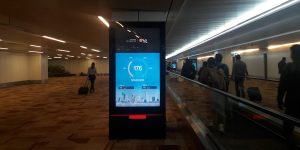
Digital Out-of-Home (DOOH) has revolutionized this. Brands can now run creative that changes based on the gate’s destination. If a flight is heading to a tropical beach, the screens can pivot to showcase high-end swimwear or SPF products. This creates a “forced relevancy”—the traveler sees the ad and realizes they have a gap in their preparation that can be filled just a few steps away at a terminal shop.
High Dwell Time Meets High Visibility
In a world of three-second social media scrolls, the airport is one of the last places where “slow marketing” still works. With passengers waiting at gates for an average of 40 to 60 minutes, they aren’t just glancing at ads they are studying them.
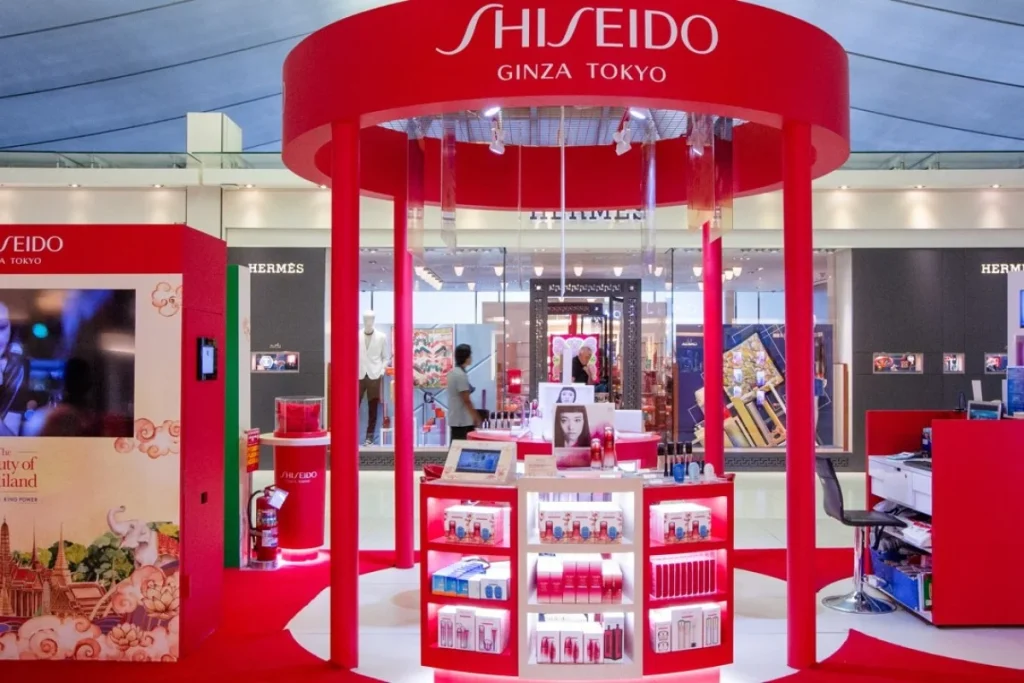
This extended exposure builds a bridge to the retail outlets located just down the concourse. A bold, well-placed visual for a luxury watch or a new tech gadget creates a mental breadcrumb trail. By the time the traveler walks past the duty-free entrance, the “last-minute” decision has already been coached by the ad they’ve been sitting across from for the last half hour.
Conclusion
There is a specific “deal-seeking” psychology tied to airports. The perception of tax-free savings makes travelers feel like they are “beating the system.”
Ads that lean into exclusivity” Only available at the airport” or “Traveler’s Edition” trigger a fear of missing out (FOMO). When a consumer sees an ad for a limited-edition product that they can’t find at their local mall, the pressure to make a last-minute purchase spikes. It becomes more than a purchase; it becomes a souvenir of the journey itself.