Baggage Claim Area Ads: Strategies for Extended Engagement Near Arrival Zones
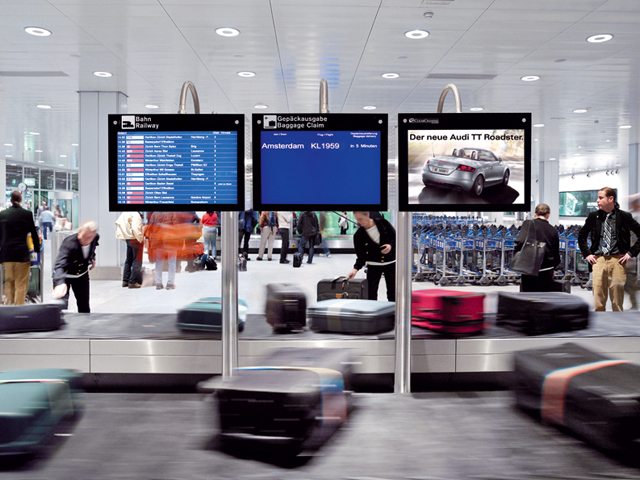
Baggage claim area ads help brands gain extended exposure near airport arrival zones with high dwell time and strong recall.
Airport advertising continues to evolve as brands search for environments that deliver high attention and minimal distraction. Among all airport touchpoints, baggage claim area ads stand out as one of the most effective formats for extended brand engagement. Unlike departure zones, where passengers are rushed or stressed, arrival areas create a calmer mindset. As a result, advertisers gain valuable seconds—and sometimes minutes—of uninterrupted exposure.
Moreover, with travelers waiting for their luggage, dwell time naturally increases. This makes baggage belts, digital screens, wall panels, and carousel branding highly impactful. Therefore, brands that invest in baggage claim advertising strategies often experience stronger recall and message absorption.
Why Baggage Claim Area Ads Deliver Higher Engagement
Passengers entering the baggage claim zone have completed their journey. Consequently, their attention is no longer divided between boarding calls or security checks. Instead, they stand in one place waiting for luggage.
Because of this behavioral pattern, baggage claim area ads benefit from:
-
Extended dwell time ranging from 10 to 25 minutes
-
Minimal competing distractions
-
High repetition as travelers circle the carousel
-
A relaxed and receptive audience mindset
Furthermore, international airports witness a diverse audience including business travelers, tourists, and high-income flyers. This combination enhances the overall advertising value.
Key Advertising Formats in Baggage Claim Zones
1. Carousel Branding Advertising
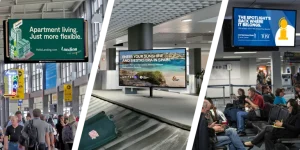
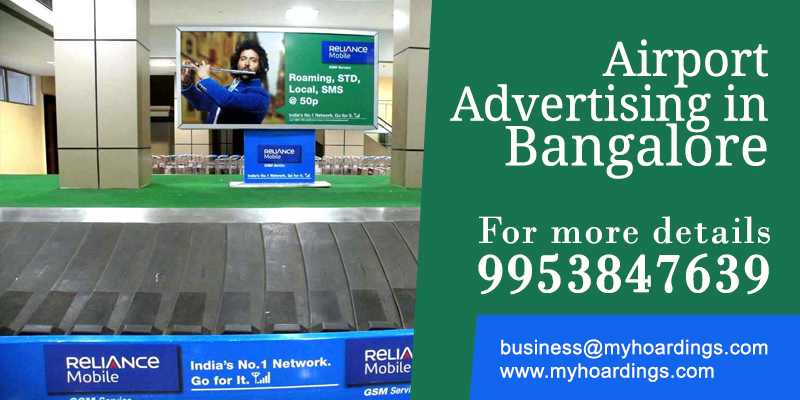
Carousel wraps remain the most visible and immersive format. Since passengers continuously face the belt, brand exposure becomes unavoidable.
In addition, 360-degree visibility ensures repeated impressions. Therefore, carousel branding works especially well for:
-
FMCG brands
-
Travel and hospitality services
-
Credit cards and fintech platforms
2. Digital Screen Advertising Near Belts
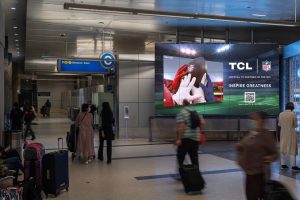
Digital screens positioned above or beside luggage belts support dynamic messaging. Brands can rotate creatives, display motion graphics, or run contextual arrival-based campaigns.
As a result, advertisers can reinforce recall using sequential storytelling during waiting time.
3. Wall Panels and Backlit Displays
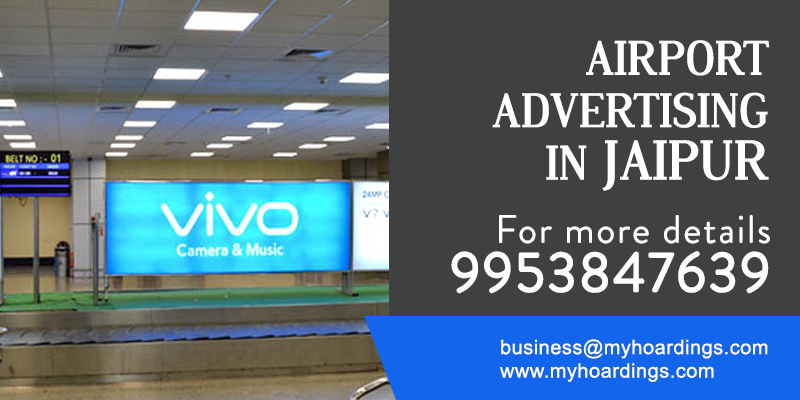
Large-format backlit displays along baggage hall walls offer premium visibility. These units are ideal for luxury brands, real estate, automobiles, and international travel products.
Moreover, illuminated formats ensure visibility even during late-night arrivals.
Strategies for Effective Baggage Claim Area Advertising
Design for Prolonged Viewing
Since viewers observe ads for several minutes, creatives should avoid clutter. Instead, brands must focus on:
-
Simple messaging
-
Strong visuals
-
Clear brand identifiers
-
Minimal text with bold fonts
This approach ensures sustained engagement rather than visual fatigue.
Use Arrival-Relevant Messaging
Successful baggage claim area ads align with arrival emotions. Messaging that references rest, comfort, convenience, or local experiences performs significantly better.
For example, hotel brands, taxi services, SIM cards, and food delivery platforms benefit greatly from contextual messaging.
Leverage Sequential Brand Recall
Because passengers encounter the same message multiple times, advertisers can reinforce memory through repetition. Consequently, even short brand taglines become powerful through exposure frequency.
Combine Static and Digital Formats
When brands combine carousel branding with nearby digital screens, they create a surround effect. This layered visibility increases recall and improves brand lift metrics.
Industries That Benefit Most from Baggage Claim Area Ads
Several sectors consistently perform well in arrival advertising zones:
-
Hospitality and hotels – targeting travelers immediately after landing
-
Travel apps and cab aggregators – capturing instant booking intent
-
FMCG and beverages – driving brand familiarity
-
Luxury and lifestyle brands – premium environment association
-
Tourism boards – promoting local attractions
Because intent formation happens right after arrival, baggage claim advertising delivers both awareness and action.
Measuring the Impact of Baggage Claim Advertising
Unlike outdoor formats with fleeting exposure, baggage claim area ads offer measurable engagement benefits. Metrics typically include:
-
Dwell-time-based impressions
-
Frequency of exposure
-
Brand recall surveys
-
QR scans and mobile interactions
Additionally, advertisers often observe stronger recall compared to departure-zone advertising.
The Future of Arrival Zone Advertising
With airports upgrading terminals and digitising infrastructure, baggage claim advertising is becoming more premium. Smart screens, motion-triggered content, and programmatic DOOH integration are expanding possibilities.
Therefore, brands that adopt early will secure long-term visibility advantages in high-traffic arrival corridors.
Conclusion
Baggage claim area ads represent one of the most underutilised yet powerful airport advertising formats. Through extended dwell time, minimal distraction, and repetitive exposure, brands achieve deeper engagement than many other transit media options.
By aligning creative strategy with arrival psychology and choosing the right media mix, advertisers can convert waiting time into brand-building moments that leave lasting impressions.