Future of Airport Advertising in India Trends Brands Must Know
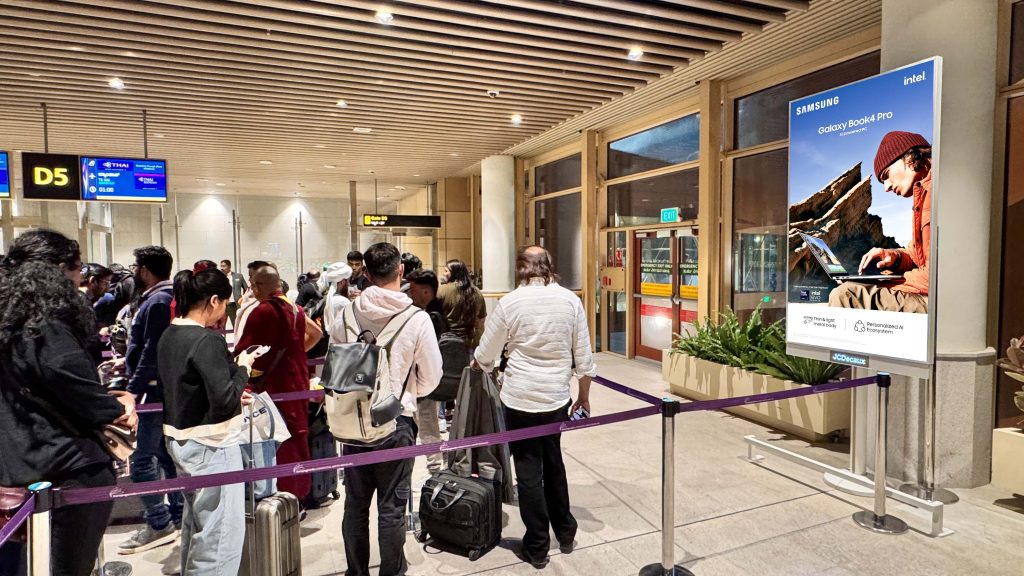
The Indian aviation landscape in 2026 is no longer just about moving people from Point A to Point B; it’s about moving them through an immersive, tech-driven brand experience. With the rapid expansion of greenfield airports like Noida and Navi Mumbai, and the nationwide adoption of DigiYatra, the “Future of Airport Advertising” has officially arrived.
If your brand is still thinking in terms of static billboards advertising, you’re missing the flight. Here are the defining trends of 2026 that every brand must master.
1. The “DigiYatra” Effect: Quality Over Quantity
By early 2026, DigiYatra has expanded to over 40 airports across India. For advertisers, this is a double-edged sword. While it reduces “wait time” at security, it significantly increases “dwell time” in the retail and lounge areas.
-
The Trend: Brands are shifting their budgets away from entry-gate hoardings to Post-Security Zones.
-
The Takeaway: Since passengers are clearing security in under 5 minutes, they have more time to spend in the “Golden Hour” area lounges and duty-free. This is where your high-fidelity, high-engagement ads need to be.

2. Programmatic DOOH (pDOOH) is Now Standard
In 2026, the era of buying a screen for a month is fading. Programmatic Digital Out-of-Home now allows brands to buy slots based on live data triggers.
-
Contextual Triggers: Brands are now using “Flight-Specific Targeting.” For example, a luxury real estate brand in Dubai can trigger its ads to play only when a flight from London or Singapore lands.
-
Efficiency: This reduces “ad waste” by nearly 40%, ensuring that premium brands are only speaking to high-net-worth individuals (HNWIs) at the right time.
3. The Rise of “Naked-Eye” 3D (Anamorphic) Content
If you’ve walked through Delhi T3 or Mumbai T2 recently, you’ve seen it: a car that seems to drive out of the wall or a watch that floats in mid-air.
-
The Trend: 3D Anamorphic displays have become the primary “thumb-stopper” in airports.
-
The Takeaway: In 2026, an ad is only successful if it’s “Instagrammable.” These 3D displays encourage travelers to record and share the ad on social media, giving brands free organic reach in elite circles.
4. Hyper-Local Targeting in Tier 2 Hubs
The real growth story of 2026 isn’t just the metros; it’s cities like Lucknow, Indore, and Coimbatore. With regional connectivity (UDAN) at its peak, these airports have become “Consumer Hubs” for India’s emerging affluent class.
-
The Strategy: National brands are now using localized content in Tier 2 airports to build trust. A luxury car brand might use a local language greeting or reference a local landmark to create an immediate emotional connection.

5. Sustainability: The “Green” Ad Mandate
Indian airports are leading the global race toward Net-Zero. From Cochin (the world’s first solar-powered airport) to Delhi’s 100% renewable energy operations, sustainability is now a core brand value.
-
The Trend: Brands are moving away from PVC-based static prints to LED-only digital campaigns and eco-friendly fabrics.
-
The Takeaway: In 2026, travelers especially Gen Z and Millennials are hyper-aware of a brand’s carbon footprint. Advertising on digital screens isn’t just tech-savvy; it’s a “Green Signal” to the conscious consumer.
Conclusion
The future of airport advertising in India is Agile, Digital, and Accountable. The transition from “static posters” to “smart experiences” means that brands can finally measure their ROI with precision. In 2026, the winners won’t be the brands with the biggest boards, but the ones that use data-driven triggers and immersive tech to meet the traveler exactly where they are mentally and physically.