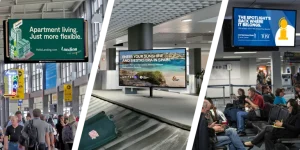
How is passenger footfall measured, and how does it impact ad pricing at airports?
How is passenger footfall measured at airports and how it impacts airport advertising pricing, CPM, and media planning decisions.
Passenger footfall is the backbone of airport advertising valuation. Therefore, understanding how passenger footfall is measured and how it impacts ad pricing at airports is essential for advertisers planning premium OOH campaigns. Unlike roadside media, airports operate in a controlled environment with structured data collection, making footfall measurement more reliable and commercially significant.
How Passenger Footfall Is Measured at Airports
Airport passenger footfall is not estimated casually. Instead, it is calculated using multiple verified and audited data sources.
1. Airport Authority and Airline Data
The primary source of footfall data comes from airport operators and airline movement records. These include:
-
Number of departing passengers
-
Number of arriving passengers
-
Domestic vs international split
-
Transit and transfer passengers
Because every passenger must pass through regulated checkpoints, these numbers are highly accurate. Consequently, advertisers can rely on this data with confidence.
2. Terminal and Zone-Level Tracking
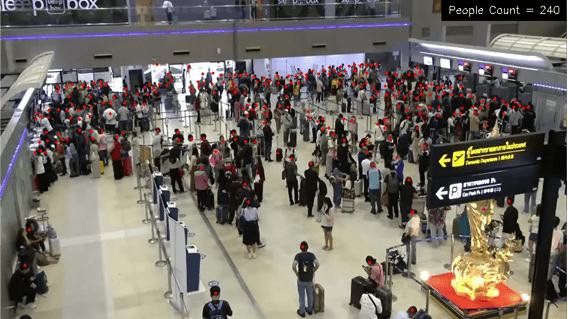
Modern airports also measure footfall at a micro level. Sensors, CCTV analytics, infrared counters, and AI-based tracking systems monitor movement across:
-
Entry gates
-
Check-in areas
-
Security queues
-
Boarding gates
-
Baggage claim halls
As a result, airports can provide zone-wise passenger flow data. This helps advertisers choose placements based on actual exposure rather than assumptions.

3. Dwell Time Analysis
Footfall measurement is incomplete without dwell time analysis. Airports track how long passengers spend in specific zones.
For example:
-
Security queues may have lower movement but longer dwell
-
Boarding lounges have seated, high-attention audiences
-
Arrival halls offer repeated brand exposure
Therefore, dwell time significantly enhances the value of raw footfall numbers.
4. Seasonal and Time-Based Data
Passenger footfall fluctuates by:
-
Time of day
-
Day of the week
-
Seasonal travel peaks
-
Festive and holiday periods
Hence, airports maintain historical footfall data to predict future trends. Advertisers often use this data to plan campaigns during high-traffic windows.
How Passenger Footfall Impacts Airport Advertising Pricing
Passenger footfall directly influences airport advertising costs. However, pricing is not based on volume alone.
1. Cost Per Thousand Impressions (CPM)
Airport ad pricing is commonly calculated using CPM models. Higher footfall zones generate more impressions, leading to higher rates.
For instance:
-
A digital screen near security with heavy passenger flow commands premium pricing
-
A static panel in a low-traffic corridor costs significantly less
Thus, pricing aligns with exposure potential.
2. Premium Zones vs General Areas
Not all footfall is priced equally. Airports categorize zones based on passenger quality and dwell time.
Premium-priced zones include:
-
Security hold areas
-
Immigration counters
-
Boarding gate lounges
-
International terminals
Even if footfall is lower, these zones attract high-value travelers. Therefore, pricing reflects audience quality, not just quantity.
3. Domestic vs International Passenger Impact
International passengers are typically associated with higher spending power and longer dwell times. As a result:
-
International terminal advertising costs more
-
Luxury, BFSI, and global brands prioritize these zones
In contrast, domestic terminals offer higher volume but slightly lower CPMs. Hence, pricing varies accordingly.
4. Campaign Duration and Volume Discounts
Longer campaigns often reduce effective CPM. Airports may offer bundled pricing for:
-
Multi-format buys
-
Long-term visibility
-
Multi-terminal coverage
Therefore, advertisers leveraging extended durations can optimize pricing despite high footfall rates.
5. Digital vs Static Pricing Influence
Footfall impacts digital and static formats differently. Digital screens rotate multiple advertisers, so pricing is based on:
-
Share of voice
-
Play frequency
-
Footfall during active hours
Static ads offer exclusive visibility. Hence, even with the same footfall, static placements may command higher flat fees due to uninterrupted exposure.

Why Footfall Alone Is Not Enough
Although passenger footfall is crucial, smart advertisers look beyond numbers. They evaluate:
-
Passenger profile
-
Travel intent
-
Time spent near the ad
-
Visibility angles
As a result, a lower-footfall but high-dwell zone may outperform a crowded transit corridor.
Conclusion
In conclusion, passenger footfall at airports is measured through audited passenger data, zone-level tracking, dwell time analysis, and seasonal trends. This data directly shapes airport advertising pricing by influencing CPM, zone premiums, and format selection.
However, the true value lies in combining footfall with audience quality and dwell time. Therefore, brands that understand this relationship make smarter media investments and achieve stronger ROI from airport advertising campaigns.