Inside the Cabin: The Power of In-Seat, Tray Table, and Headrest Advertising
Inside the Cabin: The Power of In-Seat, Tray Table, and Headrest Advertising
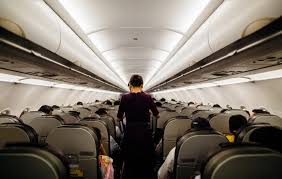
Once passengers settle into their seats, a unique advertising environment emerges — one where attention is captive, distractions are minimal, and dwell time is long.
Welcome to the world of in-cabin airline advertising, where seatbacks, tray tables, and headrests become creative canvases for brands to connect directly with travelers during their flight experience.
From subtle branding to immersive visual storytelling, in-cabin media turns every seat into a mini engagement zone, ensuring brands stay top-of-mind from takeoff to landing.
1. Why In-Cabin Advertising Works
Airline cabins are controlled, distraction-free spaces where passengers spend uninterrupted time — often ranging from 45 minutes to several hours. Unlike digital ads that can be skipped or ignored, in-cabin formats remain within the passenger’s field of vision for the entire journey.
This combination of repetition, exclusivity, and trust makes in-cabin advertising one of the most effective touchpoints in modern travel marketing.

2. Tray Table Advertising: Branding at Arm’s Length
Tray tables are among the most intimate and interactive ad spaces available in-flight. Every time passengers eat, read, or work, they engage with your brand — quite literally at arm’s length.
Benefits:
- Continuous visibility throughout the flight.
- High dwell time during meals and work hours.
- Ideal for QR codes and scan-based promotions.
Best for: Food & beverage brands, OTT platforms, tech gadgets, education apps, and travel insurance offers.
Creative executions include full-surface wraps, QR-linked product demos, and fold-down storytelling designs that engage passengers in surprising ways.
3. In-Seat Back Advertising: Front-Row Exposure
Seat backs are the first thing every flyer sees upon boarding and while seated — offering guaranteed visibility.
Ad formats include:
- Seat-back vinyls or inserts with logos and short brand messages.
- Embedded digital screens or looping videos on select airlines.
- Product placement through small card inserts in magazine pockets.
This format works beautifully for mass lifestyle brands and fintech companies, helping reinforce brand recall through continuous passive exposure.
4. Headrest Covers: Subtle but Powerful Branding
Headrest advertising is all about tactile and visual association. Branded headrest slips ensure your logo travels with every passenger, quite literally behind their head — creating subconscious familiarity.
Advantages:
- High-volume reach across all seat rows.
- Ideal for airline-wide campaigns or route-specific branding.
- Premium material options (fabric, eco-leather) for sustainable messaging.
Best for: Banks, telecom brands, and automobile companies that want a clean, corporate look aligned with airline aesthetics.
5. Integrating Formats for Immersive Impact
The true power of in-cabin advertising lies in combining multiple touchpoints for layered exposure.
For instance:
- A tray table ad introduces the product.
- The seat-back vinyl reinforces the brand logo and tagline.
- The headrest slip keeps the name visible throughout the journey.
Together, they form a seamless storytelling experience that keeps passengers immersed in your brand narrative.
6. Ideal for Premium and Mass Audiences
In-cabin formats reach a wide demographic — from business travelers and frequent flyers to vacationers and students.
Whether targeting India’s domestic routes through Indigo or SpiceJet, or international luxury carriers like Emirates or Qatar Airways, these formats offer unmatched precision and scale.
7. Smart Design Tips for High-Impact Cabin Ads
To stand out in the close quarters of an aircraft cabin:
- Use bold colors and minimal text — clarity is key.
- Focus on brand logo placement near the eye line.
- Integrate QR codes or short links for digital engagement post-flight.
- Keep the tone polite, aspirational, and travel-relevant.
Remember, cabin ads are viewed up-close — so print quality and finish must reflect premium standards.
8. Measuring Engagement and ROI
Modern airline partners now support data-driven campaign tracking, offering:
- Passenger counts by flight segment or route.
- Engagement data from QR scans or app interactions.
- Comparative brand recall studies post-flight.
This makes it easier for marketers to quantify campaign effectiveness and fine-tune strategies for future routes or aircraft models.
Turning Every Seat into a Brand Experience
In-cabin airline advertising transforms routine flight moments into brand storytelling opportunities. Whether it’s a headrest slip seen by every passenger, a tray table wrap that sparks curiosity, or a seat-back ad that reinforces recall, the cabin offers a captive space few mediums can match.

For brands looking to elevate visibility among premium, tech-savvy, and travel-inclined audiences, these formats deliver results that truly take off. ✈️