How Airport Advertising Builds Luxury Brand Perception in India
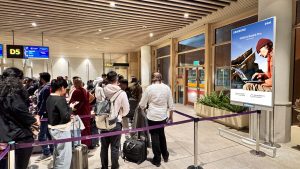
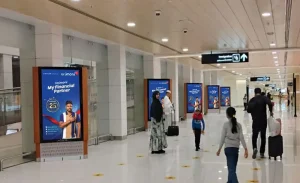
In 2026, the Indian airport is no longer just a transit point; it’s a high-stakes “Prestige Gallery.” With over 160 operational airports and a middle class that has firmly traded rail berths for flight seats, the terminal is where a brand proves it has “arrived.”
But for luxury labels advertising from Sabyasachi to Mercedes-Benz airport ads offer something more than just eyeballs. They offer a “Halo Effect” that fundamentally changes how a consumer feels about the brand. Here is the breakdown of how that perception is built.
1. The Psychology of “Elite Association”
Airports are high-security, architecturally stunning, and strictly regulated. Psychologically, when a brand occupies a massive LED wall in Delhi T3 or Mumbai T2, it inherits the terminal’s credibility.
In the traveler’s mind, the logic is simple: If this brand is here, it must be world-class. This “Implicit Trust” allows premium Indian brands to jump from being “local favorites” to “global contenders” overnight.

2. Dwell Time: The “Golden Hour” of Focus
Unlike the 2-second scroll on Instagram or a distracted glance at a roadside billboard, the airport offers 80 to 90 minutes of “Captive Leisure.”
Once security is cleared, a traveler’s stress levels drop. They wander through duty-free, sit in lounges, and look around. This is when they are most receptive to high-fidelity storytelling. A 3D anamorphic screen showing the intricate movement of a watch isn’t just an ad; it’s a performance. In this “Golden Hour,” the brand doesn’t just show a product it builds an aspiration.
3. The “Clustering” Effect
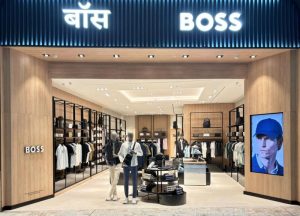
Luxury is defined by the company you keep. In 2026, Indian terminals are packed with international giants like Louis Vuitton, Rolex, and Emirates.
When a premium real estate developer or a high-end Fintech firm places their ad near these retail corridors, they benefit from “Clustering.” Subconsciously, the consumer begins to rank the domestic brand in the same tier as the global ones.

4. Innovation as a Status Symbol
In 2026, luxury is synonymous with tech. The rise of Naked-Eye 3D displays in Indian airports has turned advertising into “Social Currency.”
When a traveler records a stunning 3D visual of a perfume bottle “floating” in the air and shares it on LinkedIn or Instagram, the brand perception shifts from “Advertiser” to “Innovator.” This organic sharing among high-net-worth circles is the ultimate validation of a brand’s premium status.
Conclusion
Building luxury perception in India is about Status Signaling. The airport remains the most powerful stage for this because it provides the Trust of a regulated environment and the Focus of an elite audience. For a luxury brand, the airport isn’t just a place to show an ad it’s a place to claim their throne.