Product Sampling Inside Airlines: The Most Trusted Form of Brand Engagement
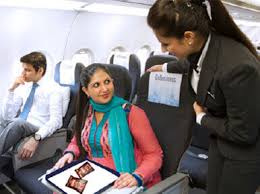
Product Sampling Inside Airlines: The Most Trusted Form of Brand Engagement
In the crowded world of marketing, trust is everything. Consumers are bombarded with ads everywhere — digital, OOH, TV — but few channels allow direct product experience. Airline cabins offer a unique solution: in-flight product sampling.
From the moment passengers settle into their seats, brands have the opportunity to create personal, tactile, and memorable interactions that build trust and influence purchase behavior.
1. A Captive Audience With Time and Attention
Air travelers, especially in business and premium classes, are a highly engaged and attentive audience. During flights, passengers are seated for long stretches, often without the distractions of mobile networks or other entertainment alternatives.
This creates a perfect environment for product trials — whether it’s a new snack, beverage, cosmetic sample, or tech gadget. Unlike traditional ads that rely on passive observation, sampling lets passengers experience the brand first-hand.

2. Building Trust Through Direct Experience
A product in the passenger’s hand communicates authenticity and quality more effectively than any visual ad.
- Food and beverage brands can offer mini tasting experiences.
- Skincare or wellness brands can provide trial sachets or wipes.
- Tech brands can demonstrate small gadgets or app-enabled devices.
Direct experience fosters trust, encourages word-of-mouth, and increases purchase intent far beyond standard in-flight advertising.
3. Access to Affluent and Influential Travelers
Airline passengers often include frequent flyers, business executives, and decision-makers — a premium audience segment with high purchasing power.
Sampling inside flights allows brands to connect directly with influential consumers, creating a positive association between the product and the premium travel experience.
4. Complementing Other Airport and In-Flight Media
Product sampling doesn’t exist in isolation. Brands can integrate with cabin advertising, tray inserts, seatback panels, and in-flight magazines, creating a 360° brand touchpoint.
For example:
- A skincare sample paired with a seatback magazine ad increases brand recall.
- A beverage sample offered during boarding reinforces taste experience alongside brand visuals on tray tables.
This multi-sensory approach ensures that the product is remembered long after the flight.
5. Measurable Engagement and Feedback
Sampling programs also allow brands to measure impact directly:
- Track the number of products handed out.
- Collect feedback via QR codes or digital surveys.
- Monitor social media mentions triggered by passenger experiences.
Such metrics provide clear ROI insights, unlike most static advertising formats.
6. Building Long-Term Loyalty
Passengers who have a positive in-flight product experience are more likely to:
- Purchase the product post-flight.
- Engage with the brand on social media.
- Recommend it to peers — creating organic advocacy.
Airline sampling therefore becomes not just a trial but a relationship-building exercise.
Transforming Travel Time into Engagement
In-flight product sampling is more than a marketing tactic — it’s a trust-building strategy. It combines the premium audience reach of airlines with direct, hands-on product exposure, generating engagement, recall, and loyalty like no other channel.
For brands looking to make authentic connections with high-value consumers, the cabin isn’t just a space to advertise — it’s a stage for personalized brand experiences that take flight.