What Makes Travelers Notice One Hoarding and Ignore Another?
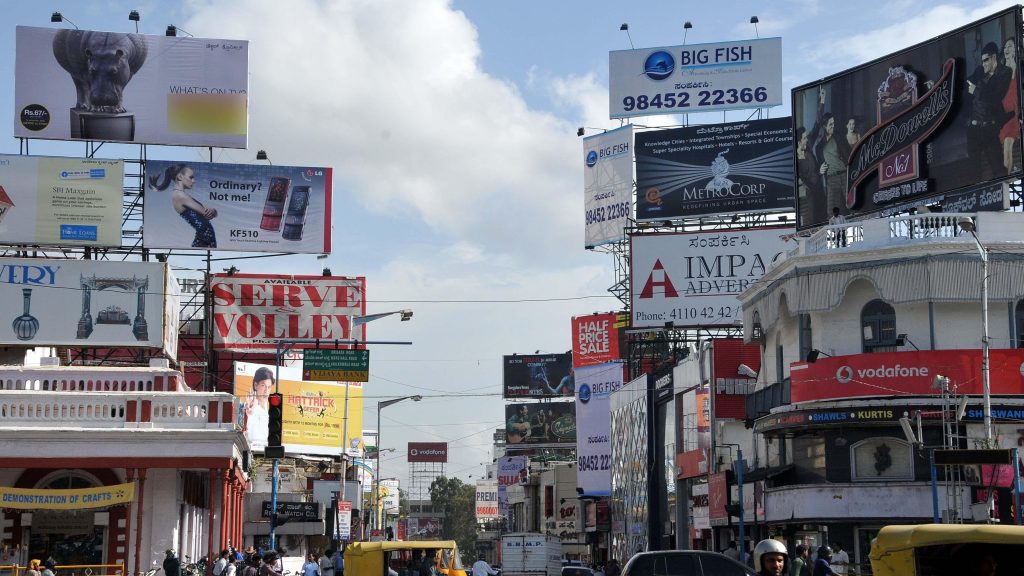
In India, we love “big.” We think a 40×20 foot hoarding is the ultimate power move. But walk through any major terminal today, and you’ll see thousands of people with their heads down, glued to their phones. If you’re an advertiser, you aren’t just competing with other brands; you’re competing with Instagram, WhatsApp, and the stress of a gate change.
So, why does one hoarding cut through the noise while another becomes “invisible wallpaper”?
1. The “Aspirational” vs. “Functional” Conflict
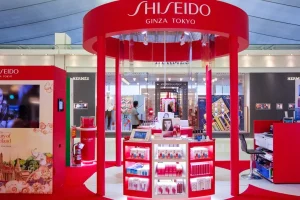
Indian travelers are in a very specific mindset at the airport. It’s the one place where they feel like they’ve “arrived” in life. This is the Aspirational Mindset. They will ignore a hoarding for a detergent or a basic bank account because it feels “ordinary.” But they will stop for a brand that borrows the airport’s premium vibe Real Estate, Luxury Watches, or High-End Fintech. If your hoarding looks like it belongs on a dusty roadside, the traveler’s brain will subconsciously filter it out as “low-value” noise. To be noticed, your ad has to look as expensive as the terminal it’s in.
2. The “Serpentine” Fatigue
Most Indian airports are designed like a maze (the serpentine path). By the time a traveler gets through the Duty-Free walk, they are suffering from Decision Fatigue. * The Mistake: Hoardings with too much text. If I have to read more than five words, I’m out.
-
The Winner: The “Visual Punch.” One massive, high-contrast image. If you’re selling a premium apartment in Gurgaon, don’t list the amenities. Show me the view from the balcony. That’s the “hook” that stops the feet.

3. Context is King (The “Gate” Psychology)
Attention levels change depending on where the traveler is standing.
-
Security Queue: Stress is high. People are looking for information and reassurance. A hoarding here should be calm and simple.
-
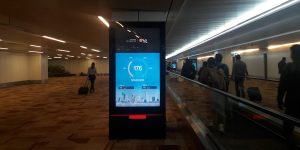
The Boarding Gate: Here, the stress is gone, but the boredom has kicked in. This is where people finally look up from their phones. This is the best place for “Storytelling” hoardings or interactive DOOH. If you put a complex message at the entrance, it’s a waste of money. Put it where people are actually waiting.
4. The “Local” Connection in a Global Space
Even in a globalized airport, “Indian-ness” grabs attention. A hoarding that uses local context maybe a subtle nod to a local festival or a specific city’s lifestyle creates an instant psychological “ping.” It feels familiar in an unfamiliar, sterile environment. That split-second of “Hey, I know that!” is what converts a glance into a memory.
Conclusion
Travelers don’t ignore hoardings because they are small; they ignore them because they are irrelevant to their current mood. If you want to be noticed, stop selling a product and start matching the “Vibe” of the traveler at that specific moment in their journey.